Blog

Why Do We React Differently to Food?

Some people love spicy food, some people get diarrhea.

Have you ever noticed yourself having different reactions to the same food your family or friends eat?

In Chinese medicine, every food and herb has its characteristics. 

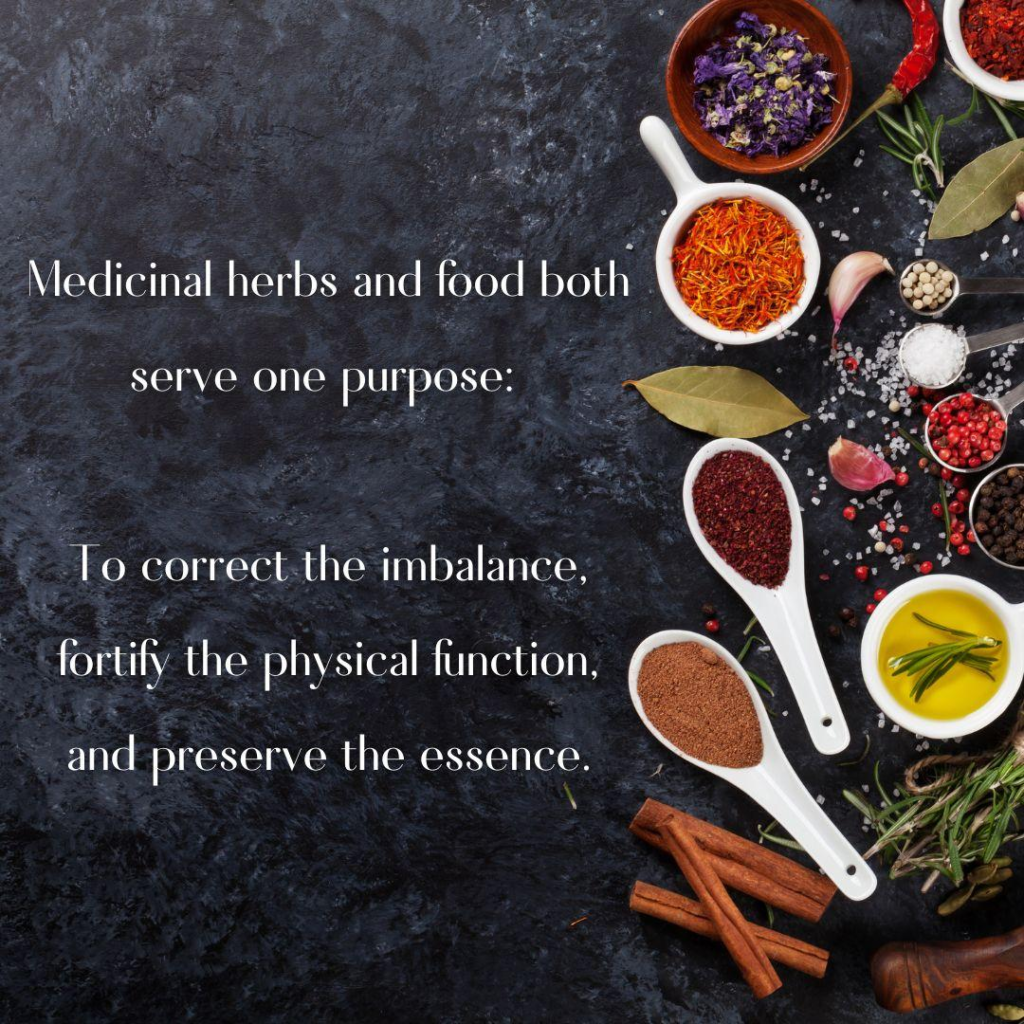
The foundation of TCM observes the connection between nature and humans. Medicinal herbs and food both serve one purpose: to correct the imbalance, fortify the physical function, and preserve the essence. Because of this principle, traditional Chinese medicine has a long history of using food as medicine. 

Before we use food as medicine, we must understand that TCM uses herbs, minerals, and animal products for healing. Healing is not just the reduction of symptoms. It’s about your body and mind living in harmony and truly building resilience and adaptability to the changes in the internal and external environment.

In TCM, the rhythm of nature reflects in the healing property of the food or medicinal herbs. That’s what TCM practitioners call “medicinal characteristics.” And these medicinal characteristics are not limited to the herbs, but also in the food. Medicinal characteristics are the reflection of nature and manifest in their taste and actions. These healing actions include purging, astringent, tonifying, dispersing, and drying. 

So why would people react so differently to food or herbs?

Because our body has different characteristics just like the medicinal herbs. Our body also reflects the change of nature. 

You can think of a person who constantly has low body temperature, feels sluggish and has really weak digestion as someone’s internal environment constantly operating in wintertime. And in winter, nothing grows. So eventually, this person with internal coldness will also suffer from issues with hormones and neurological conditions.

So what happens if this person constantly eats food or medicine that acts as cold and purging (suppressing), such as antibiotics (TCM sees most of antibiotics as cold purging medicine)?

We can see the negative effects on Spleen, stomach, and Kidney.

Interestingly, there is research linking the use of antibiotics and non-autoimmune thyroiditis in adolescents (Research Article).

In another scenario seen commonly, we can see the love of spices, such as cayenne pepper, used in many cuisines. But different people react differently to the spice. Sometimes we can see breakouts or GI discomfort after consumption. 

That’s because cayenne pepper has medicinal properties of heat and dispersing. These two characteristics can move the stagnant and disperse the stagnant to the surface or out of the body. That’s why there are people complaining about breakouts or diarrhea after eating spicy food. 

You might be asking, what about processed foods?

I am definitely not a fan of processed foods (although I am guilty of always having a bag of frozen dumplings for emergencies!) The reason is because processed foods don’t preserve much of the natural properties and medicinal characteristics compared to raw food. Imagine something as simple as fruit juicing. Just by the process of juicing, fibers are taken out of the juice, and we no longer reap the benefits of fiber compared to just eating the fruit. 

Our body is incredibly adaptable, but in both good ways and bad ways. It can adapt positively or maladapt based on what we’re providing it. Relying on processed foods would lead to the maladaptation of our body to low nutrient, high processed food, depletion of nourishment, healing, and take away the opportunity and ability to heal ourselves through food.

Is Traditional Chinese Medicine Scientific?

Ever since I started my Chinese medicine practice, I have been challenged with this question from time to time. It is an excellent question, and I will answer as best as I can.

According to Oxford dictionary, science is defined as the systematic study of the structure and behavior of the physical and natural world through observation, experimentation, and the testing of theories against the evidence obtained.

By this definition, Chinese medicine is scientific.

But I want to explain further why Chinese medicine is scientific as a person practicing Chinese medicine. Chinese medicine doesn’t invent illness; it defines health and wellness.

Generations and generations of practitioners observe the patterns of nature and illness and document the rhythm and patterns. These generations of doctors (including myself), experimented with and tested the formulas, herbs, and acupoints against the observed evidence. We follow specific ways to observe, diagnose and treat.

Take my practice, for example; when I moved to Colorado, my treatment didn’t work as well as it does now. This made me very frustrated. However, being a Chinese medicine practitioner, I applied my knowledge and first observed.

I noticed the change in climate, the change of daylight, the food culture, and the overall lifestyle in Colorado. I found out that people tend to over-exercise, lack sleep, have high stress, and are maladaptive to the change of season, and overuses medication. Most people may look strong on the outside but relatively weak on the inside. This is what we call “internal deficiency.”

So the rule that applies to deficiency is “when there is a deficiency, we tonify,” And with the deficiency, we can further subdivide it into Spleen deficiency, lung deficiency, heart deficiency, liver deficiency, and kidney deficiency, and then treat accordingly.

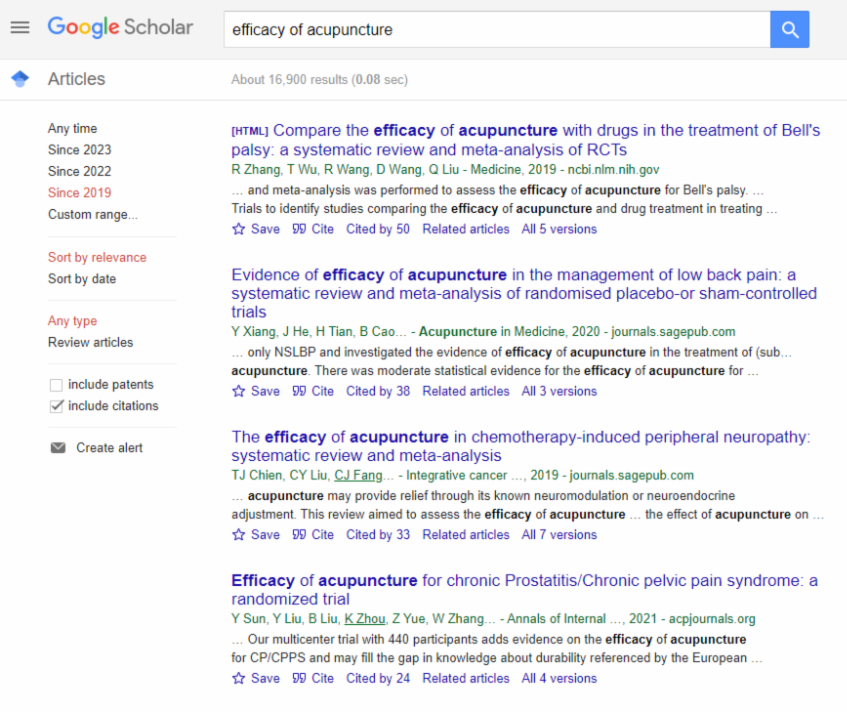
Today’s herbs and acupuncture treatments have been documented and time-tested for specific patterns. Even the dosages of herbs and acupoint selections are well documented. Many formulas and acupuncture treatment protocols have even undergone clinical trials to prove their efficacy and safety. If you go on google scholar and type in acupuncture, for example, you will find countless peer reviewed articles and clinical trials about its efficacy. 

I understand that most people are confused by the TCM terms. Traditional Chinese medicine was developed over centuries. Some might argue that the terms we use in Chinese medicine, such as Yin and yang, Qi, or meridians, need to be more scientific.

We need to understand that the observations of illness, bodily symptoms, the systems of our health, and thus the language used, has existed in TCM way BEFORE all the “scientific terms” were invented. Modern day described inflammation, for example, often refers to “heat toxin” in TCM.

More importantly, the foundation of Chinese medicine is based on internal observation and the connection between the human body and the natural phenomenon. Conventional medicine is based on reductionism, focusing on molecular interaction and changes that can lead to oversimplifying systemic changes and pattern development. 

Of course, sometimes, we encounter practitioners who may not have comprehensive training in TCM, leading to misunderstandings of the scientific nature of the practice. Some practitioners may even practice their personal or spiritual beliefs with this medicine, making it it look mystical. Imagine, even the most scientific of practice can look “mystical and pseudoscience” if the practitioner shows up with “the guru talks” and acts like mixing herbs is a practice of sorcery in Harry Potter…

However, those personal beliefs are not part of Chinese medicine. Chinese medicine’s beneficial impact on our health can be observed, tested, and repeated. In this sense, it is scientific.

Do we get sick more easily during Winter?

After going through the pandemic, I am sure you are very familiar with how active the virus can be during wintertime. But does that mean we are more likely to get sick in the winter?

First of all, having yourself surrounded by the virus is only a small part of getting sick. 

You probably have this experience: you have an office full of people getting the flu, but you are the only one still healthy. Or you have worked yourself dry, and then suddenly, you find yourself stricken with the nastiest flu. Let’s look at how the body operates through the lens of Chinese medicine and functional medicine.

Short answer, yes, we are more likely to get sick in the winter. In wintertime, our overall Qi is more submerged. It doesn’t mean it’s not active. It’s like the plant’s leaves fall off during fall, and no new growth until the spring, so it can start blooming in the spring with buds and leaves. This process is called “reservation of the essence.” You can think of it as collecting interest from your savings.

So what if you have been using up your savings and it’s starting to be in deficit?

Well, then, when it comes to winter, the body can’t be nourished when Qi starts to submerge. Particularly, our lung Qi is promoted by the kidney Qi and forms the defense Qi, which fortifies us everyday. So if you keep overdraft on your principle (the kidney Qi), then your lung Qi will be deficient and eventually fail to defend us.

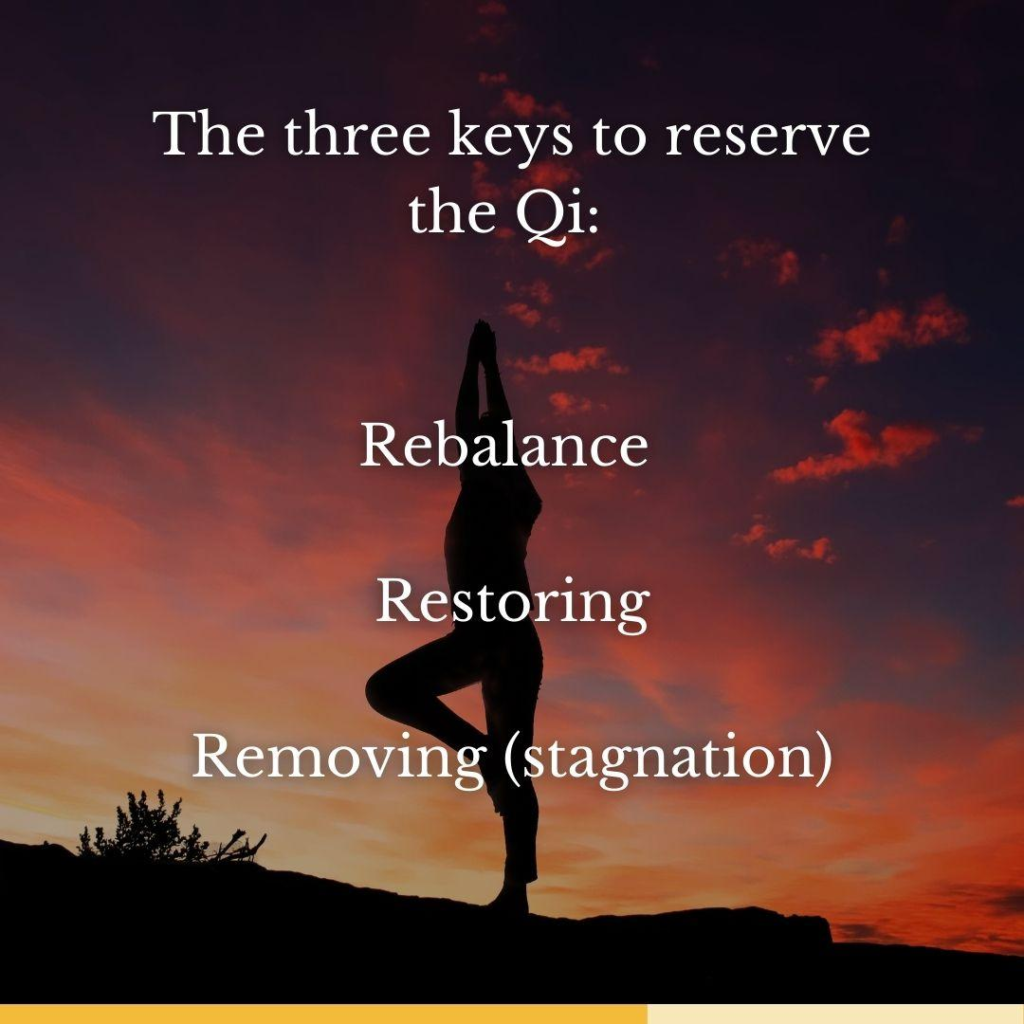
The three keys to reserve the Qi are: rebalance, restoring, and removing (stagnation)

So what if you truly get sick? Is there a way to heal faster?

First, let’s look at the options we have. In wintertime, Flu or upper respiratory infections are the most common illness we get. So with infection (from external pathogens), we might get a fever. Fever or inflammation are the immune defense mechanisms. We need that to activate our immune system to fight off the pathogens.

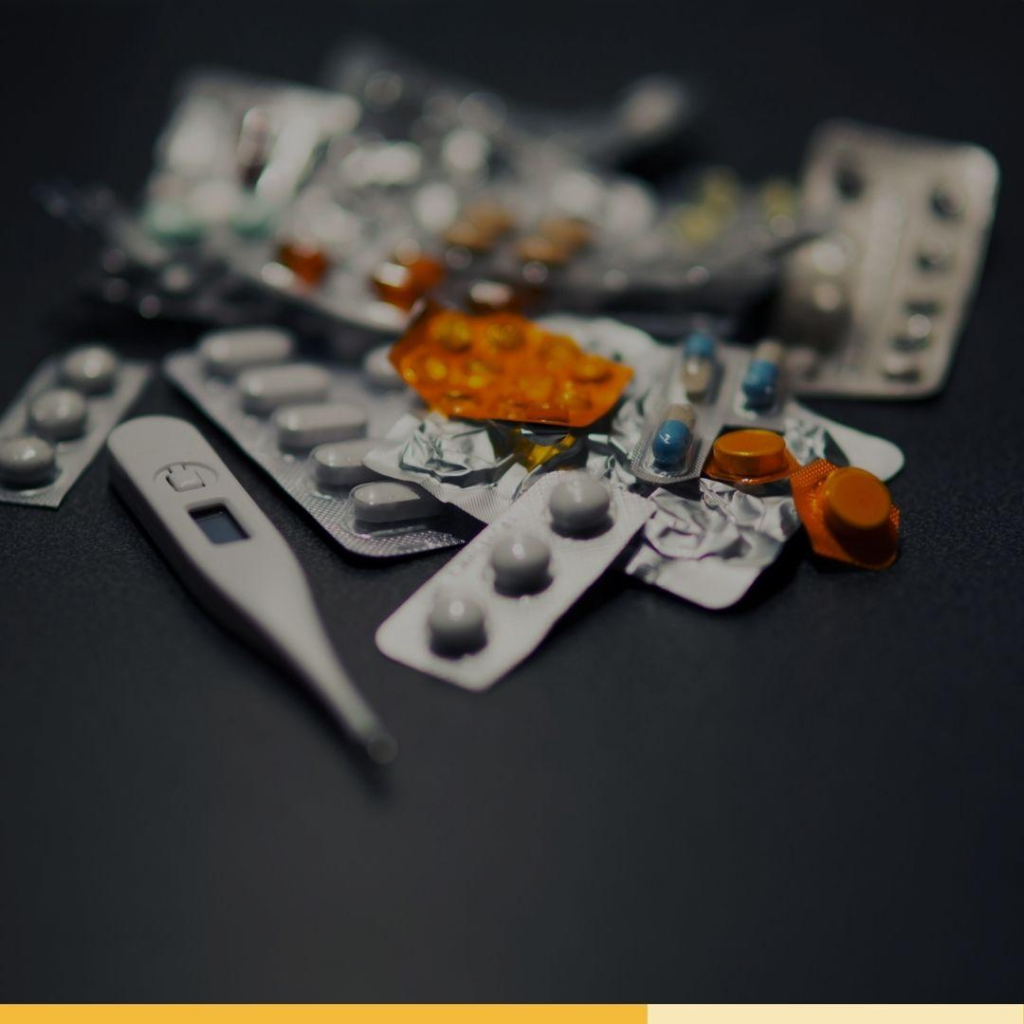
We might reach out to the common OTC to suppress the fever and relieve the pain brought upon by the inflammation. I am not opposing using OTC when you need to, but we have to keep in mind that each illness is a chance for us to examine what we have missed. 

The benefit of acetaminophen or NSAIDS is you can get a really quick relief. But suppressing the initial immune response might have us missing the chance to truly heal. Especially, when the fever is suppressed, but our immune system is in need of the inflammation for a chance of healing. Fever is the siren of the alarm, and fever suppressant is turning off the alarm when the burglar breaks in. 

It should be used wisely. 

When using fever suppressants (such as Tylenol) or NSAIDs for symptom reduction, we have to keep in mind that it doesn’t equal healing. Everytime we get sick, it’s actually a good time to rebuild a stronger and more resilient body. Furthermore, using analgesic or NSAIDs may cause more issues in the gut, such as stomach bleeding or gut dysbiosis.

Why not use herbs and acupuncture?

Treatment for febrile disease has been established for thousands of years in Chinese medicine.

The idea of using acupuncture and herbs is not simply using antiviral or antibacterial herbs. It focuses on restoring the balance of our body to build back the defense. The idea is to rebalance the function, restoring our Qi, and remove the stagnation and toxin so we can heal.

Using acupuncture and herbs doesn’t suppress our immune system or immune defense mechanism. In fact, it promotes the host defense so it can shorten the duration of the illness, promote recovery without lingering, and truly help our body to build and grow in a healthy way.

https://conta.cc/3jOUMcY

New year, New mind

Ah, the new year party, the bottomless ice cream, chocolate, and the indulgence of cocktails. And don’t forget the staying up late into the night to count down. How do you feel now? Did you do anything to get back on track? 

Don’t worry. I am not here to nag you. 

If you are reading this blog post, you are probably looking for ways to get back on track. And you have my applause!

After all, what’s better than leaving all (or most) of the lousy habits, mindsets, and feelings behind by starting the new year with a clean slate? 

Well, why don’t we start with mindfulness?

If you don’t know yet, mindfulness is an essential part of traditional Chinese medicine.

Have you walked on a balance beam? Did you notice that you need to pay more attention when walking and trying not to fall off the beam simultaneously?

Being mindful is to keep yourself in a balanced state. This is the top priority for a healthy life.

I practice mindfulness as much as I can. (I fall off the wagons too, you know!)

My philosophy as a practitioner is also asking my patients and myself this question first:

How do you picture yourself when you reach a state of balance? Or what does a balanced life look like to you? Because it might mean different things to different people.

If you ask me, my ultimate goal is to be able to take care of patients and myself in a way that can mutually benefit all of us. That could mean cooking plant-based, colorful meals with organic natural ingredients, having regular and restful sleep, keeping a good rhythm, and stopping before I get overwhelmed. To achieve that goal, I constantly ask myself what I need and don’t need. 

Mindfulness is a process, not an end. 

One of the ways to achieve mindfulness is to eliminate. Eliminate the thoughts that don’t serve you. Eliminate the food that doesn’t nourish you. Eliminate the relationship that is harmful to you.

Mindfulness requires focus and energy. It’s to draw the attention inward and use the energy wisely. In traditional Chinese medicine, practicing mindfulness is a big part of medicine. It’s the medicine of the soul. Without it, we can’t reach the state of wellness.

That’s why a lot of the philosophy in Chinese medicine is to live with the rhythm of nature. Nature constantly nourishes, cleanses, and heals.Being mindful is also to connect with the power of nature. Living with the natural rhythm, eating food in its original form, and cleansing the mind when it’s too much.

Being mindful is also finding the healing power within you. I always like to use acupuncture as a good example. Acupuncture promotes the Qi flow in your body to heal from the imbalance state. The concept of illness is a state of imbalance, regardless of the cause. I always think that acupuncture is not just a treatment. It’s a way of helping us to become mindful. You need to focus on breathing during acupuncture to achieve a calm state. And this can help to draw the energy inward. In modern society, the focus is always outward. But to heal, the energy has to be drawn inward.

So what can we do now?

You might have that one extra piece of chocolate in the party and regret it now. Start drinking more water, exercising more regularly, and eliminating those stressful thoughts. 

If you want to lose weight, start with sleep. 
Go to bed at the same time every day with no compromise. 
Sleep is so essential in our life. 
Let’s start to make it a priority.

If you are interested in kick starting your health recovery journey, book your free consultation below!

Book Your Free Consultation Here : New year, New mind

SLEEP MORE! LOSE MORE!

Do you want to lose weight?

What have you tried to lose weight?

Diet?

Exercise?

Intermittent fasting?

Diet pill?

Did any of them work for you?

Did you know that a consistent good night’s sleep can help you reduce 270 calories daily?

Imagine it multiplied for seven days a week and 52 weeks of the year. It will be 98280 total calories.

That’s more than 10 kg of fat!

Is it too good to be true?

It’s not magic; it’s science.

What defines a good night’s sleep?

According to the Journal of Clinical Sleep Medicine, When we talk about healthy sleep, it requires adequate duration, good quality, appropriate timing, and regularity without disruption and disturbances.

LESS SLEEP means LESS CALORIES BURNT and BIGGER APPETITE!

So getting enough sleep is one of the essential components to losing weight. But there are even in-depth studies on the duration affecting our calorie intake.

In this study, the researcher found that inadequate sleep poses a significant risk of obesity. Individuals who sleep less than 6.5 hours a night for two weeks have an average reduction of 270 kcal/day burn without any modification of any activity level.

In this research, they found that the relationship between sound quality sleep and enough quantity of sleep can help significantly in weight loss in women over 45 with BMI over 30.

Unsurprisingly, if you sleep well, you can lose and maintain weight. 

Then how does sleep loss affect our weight?

Sleep can affect the chemical signals in the brain.

The two most important factors are the regulation of leptin and ghrelin. These two hormones can significantly affect our appetite. Ghrelin is a hormone released from the stomach that enhances the desire to intake more calories. And leptin is produced and released from our fat cells to suppress the hungry signal and tell our body to start using the energy. This study showed that inadequate sleep could suppress leptin release and increase ghrelin in healthy adults. The difference in appetite can be enhanced by 23%. 

Sleep is medicine. That’s what I always promote. 

We might struggle with fluctuating weight, depressive mood, or low energy. 

Often, we want to take the shortest route to get to where we prefer. 

Especially during the holidays like right now, with all the holiday candies, feasts, and treats, we might see an upward trend on the scale. We may blame ourselves for eating too much or not having enough self-discipline. 

But that’s not the point.

I am a big proponent of promoting our self-healing power. This can mean a lifestyle change, a good relationship with food, and mindfulness toward our stress level. But let’s start with our sleep. Other than helping us to mitigate the risk of obesity, sleep has so many benefits. 

If you want to empower yourself, you need to sleep. 

When you find yourself unable to lose weight, look at your sleep pattern.

Happy new year. 
May next year be a fruitful, joyful and bountiful year to you.
In health, wellness and love.

If you are interested in kick starting your health recovery journey, book your free consultation below!

Book Your Free Consultation Here : SLEEP MORE! LOSE MORE!

A Year End Reflection

At the end of every year, I always like to do some reflection on myself, my practice, what I have learned and what I have grown, what I have lost and what I have gained.

I am very blessed to have all of you to trust your or your family’s health in my hand. Throughout my practice, I always feel very honored to be able to take care of my community , wherever I am . 

Practicing medicine is a journey, and not an easy one. Especially when my philosophy is to be able to really nurture, educate, and inspire my community. I truly believe that nurturing through medicine can truly empower everyone including the family.

Human mind and body are such magnificent wonders that everyday I see miracles happening in front of my eyes. I have to say, I am blessed. Everyday when I walk through my door of the clinic, I always feel grateful that I am able to be here and be the gardener for everyone.

This practice is more than medicine. It’s a place where we can grow

I am especially thankful for my assistant Sharon and my intern, Josephine. 

If you have been in the clinic, Sharon will make sure you are taken care of during the treatment . 

I always tell Sharon that she has the mothering energy that is in line with this clinic. Always there for you and make sure you are taken care of. With her caring characteristic, we are making this clinic a place for you to put your worries behind the door and truly benefit from the healing. 

By the way, Sharon is currently undergoing training as a health coach. I truly believe her talent and caring heart will truly help our patients in achieving their health goals. In 2023, Sharon will be joining me in coaching and patient care. 

And if you have subscribed to my newsletter, you might be seeing a more consistent flow of publishing. Josephine is the one that holds me accountable. I have a passion for sharing my knowledge but my procrastinating is always in the way. Then Josephine came along. She has such a great passion for Chinese medicine and just like that, came to the rescue.

She is the one that edits and graphic designs my newsletter. She is also the one that listens to me whining about not wanting to write. Whenever I feel like running out of ideas, she is the one that pulls out ideas. These newsletters wouldn’t be possible without Josephine’s help. I look forward to her starting journey in Chinese medicine, becoming a practitioner, and putting her talent in this wonderful medicine. The world of medicine can use a talented lady to care for the community.

During this year, I started my pursuit of Functional medicine. I have learned to see wellness with another kind of lens. Throughout the year, I have learned so much. It truly opened my eyes and allowed me to explore another spectrum of medicine. 

I am really grateful.

Of course, my family being my biggest support is always in my heart. Without them, I could not have thrived and become a true healer. 

I am thankful for everything and everyone.

Happy new year. 
May next year be a fruitful, joyful and bountiful year to you.
In health, wellness and love.

If you are interested in kick starting your health recovery journey, book your free consultation below!

Book Your Free Consultation Here 

I sleep, therefore I am.

Ah, it’s this time of the year that I got an influx of patients coming in for a tune-up treatment because of the sleep problems. 

Well, it is the holiday season when we stay up a little later, or feel lazy to take a walk outside because it’s cold, or wake up a little later because we want to sleep in. By the time you know it, you start to feel more tired in the daytime and have difficulty sleeping at night.

Why do we need sleep?

What is the best way to ensure you get a good night’s sleep?

How to improve your sleep?

These three questions are essential to keep in mind. In the hustle culture of modern society, we praise the “keep going” but not the “stop and rest”.

In the last newsletter, I talked about how preserving kidney essence and Qi plays a vital role in overall health. It can also apply to our sleep. Sleep has been linked to impact immune system functioning and emotional health.

Many studies show that prolonged sleep deprivation or disorders can lead to an increase in pro-inflammatory cytokines (Research Article). This unfavorable impact on health can be associated with poor sleep quality and quantity. 

During our sleep, our body is still hard at work. Our body produces growth hormones, immune cells, melatonin, and other internal regulating hormones to help us repair, restore and maintain the functions of our body. While lack of good quality sleep can lead to the overproduction of proinflammatory cytokines, it can also lower our natural immune defense (Research Article).

Naturally, we want to start building good habits to improve sleep quality. There are a few tips that you can start implementing to improve your sleep at home before you reach for medications.

  1. Keep your room cool: keeping the room around 60 to 67 degrees can help the body’s sleep rhythm that mimics the sleep state.
  2. Declutter the room: decluttering the space and changing the sheets frequently can reduce exposure to allergens and allergy responses that might disrupt sleep.
  3. Keep the room dark: keeping the room dark can help to reduce light exposure that might interfere with melatonin production.
  4. No alcohol at least 3 hours before bedtime or caffeinated drink 10 to 11 hours before bedtime.
  5. Expose to sunlight for at least 30 minutes in the summer or 1 hour in the winter every day to keep a good circadian rhythm.

I encourage everyone to keep a good sleep schedule and practice good sleep hygiene. 

When to talk to your health care professionals about sleep issues?

We can have a few bad nights’ sleep from time to time, but if the sleep problem turns into something chronic and starts to have impacts on your health, emotion, and day to day life, then it’s time to call your healthcare professionals. 

I grew up being taught that to achieve good health, we need to work to get it, not just depend on medicine to do the work. Doctor might know a lot of the medicine, but WE know our body.

That might be the secret to a long life.

If you are interested in kick starting your health recovery journey, book your free consultation below!

Book Your Free Consultation Here 

A Trip back Home: Lifestyle & Medical System

Taiwan’s average life expectancy is 80.87 compared to the USA’s life expectancy of 79.05. I am sure there is something we can learn from Taiwan.

People in Taiwan enjoy very accessible and high quality health care. Health care in Taiwan is both covered by the universal health care that is available to all the residents and citizens in Taiwan, as well as private health care that focuses beyond the basics.

I appreciate the best of both worlds that are well practiced in Taiwan.

In Taiwan, the government-run hospital system is responsible for primary, preventive, and treatment. All residents and citizens covered under health insurance must be notified of their annual checkups, vaccination, and all other preventive care.

Take my mom, for example; during my stay, she received calls from the city hospital for her annual check-up and colonoscopy. If she misses it, they will keep calling.

I am also happy to see the accessibility of private clinics everywhere in Taiwan, including traditional Chinese medicine, fertility center, psychotherapy, and cancer center. The private clinics can choose to stay in with the government-run health network or opt-out of the network. The flexibility provides an even more comprehensive range of care for patients to choose from.

For as long as I can remember, Taiwan has had a long-embedded tradition of staying in good health, and food is one way to achieve it .

Taiwan is a capital of good, fresh, and nutritious food. 

Everywhere I go, I can see stalls selling fruit and vegetables. My mom always says there is no shortage of fresh food in Taiwan. Of course, Taiwan is such a small country, which helps to transport fruits and vegetables and ensure their freshness. You can see signs of daily, freshly picked fruits and vegetables in the supermarket, traditional market, food coops, or fruit and vegetable stalls.

It’s a long tradition that Taiwanese cuisine follows seasonal changes and uses food as medicine. It’s not difficult to eat the rainbow in Taiwan as there is always a vast variety of colorful fresh food everywhere. And they are affordable! Even fast food restaurants offer healthy choices such as teriyaki pork with local rice and quinoa as buns or unsweetened organic ice tea.

Taiwan is small enough to have an excellent public transportation system. I worked hard and made it a goal to clock in 10,000 steps daily while in the states. But it’s really easy to surpass that number while in Taiwan. Taking a bus required me to walk to the bus station. You walk almost everywhere. To the stores, school, or bus stop. You can take the metro system and go almost everywhere in the entire city without a car.

I like how Taiwanese culture praises the value of good food, movement, and medicine and does not just rely on one or the other.

I grew up being taught that to achieve good health, we need to work to get it, not just depend on medicine to do the work. Doctor might know a lot of the medicine, but WE know our body.

That might be the secret to a long life.

If you are interested in kick starting your health recovery journey, book your free consultation below!

Book Your Free Consultation Here 

A Trip back Home: Roots of TCM

Many of you know that I was born and grew up in Taiwan. My first apprenticeship in traditional Chinese medicine also began in Taiwan, when I was 18. Ah, how time flies. 

Dr. Lee’s clinic in Taipei was where it all started. I began my medical training by mixing and preparing herbs. Then I studied under Dr. Lee by reading TCM classics and observing patients.

30 years ago, I was a young and naive apprentice who knew nothing about where traditional Chinese medicine would take me. Here I am, 30 years later, traditional Chinese medicine transformed me into someone more robust, healthier, and capable of giving and caring for my patients. 

It all started in this clinic. 

The last three years were the longest three years without being nurtured by my roots. Throughout the pandemic, I am grateful that I was able to take care of patients and families. I Went back to Taipei and studied under Dr. Lee every year until the pandemic hit. Under his guidance, I got to stand on top of the giant’s shoulder to see further and be more apparent as a TCM doctor. 

TCM is also recognized as a part of mainstream medicine in Taiwan. There are a lot of integrative clinics all around. Some doctors hold dual degrees of medical practice. 

Although we see a booming integrative medicine practice in the states, especially in Colorado, most of the practitioners are only using acupuncture, without all the vast modality of TCM, such as herbalism, and TCM remains only a small part of the healthcare system.

TCM herbal formula, food therapy, and acupuncture are trident of TCM practice in Taiwan. Almost all patients would utilize all three modalities following the doctor’s instruction and treatment plan. Acupuncture and herbs treat almost everything in Taiwan. From MS to cancer to depression, we see patients from all walks of life. 

Like China and Korea, TCM doctors are trained as medical doctors with knowledge of Chinese and conventional medicine. TCM has a long history of practice in Asian countries. We see how patients trusted TCM as a big part of healthcare throughout history. I am glad to see a growing number of patients trusting Chinese medicine in the states as it grows.

This is where my root is. Where my journey in Chinese medicine began.

Of course, in modern times, we have medication for almost everything a human can get. But when we give our body a little extra, we are rewarded with a better quality of life. 

If you are interested in kick starting your health recovery journey, book your free consultation below!
Book Your Free Consultation Here

Fall Season Self Care

Seasonal Affective Disorder (SAD)

When I was walking around Bear Creek park, the air was chilly, and you could see the autumn foliage falling. Some trees are bald, as the crinkling leaves start to pile up on the ground. You know fall is here, and it’s almost winter.

As the daylight gets shorter, our body adjusts to the difference. This is the time we should pay 

attention to seasonal affective disorder(SAD).

Seasonal affective disorder describes episodes of major depression and mania in particular seasons. It’s mostly common in higher latitudes and less in countries near the equator. Seasonal affective disorder is not as simple as feeling down when the season changes. It can be a potentially debilitating disorder to a person who is troubled by it. 

The onset is usually around fall to winter and spring to summer. Clinically there are more winter depressions than summer depressions. Just like other psychological disorders, patients with seasonal affective disorder can show many overlapping signs and symptoms such as appetite, sleep pattern, cognitive, motivation, and drive changes. 

The TCM Perspective:

Fall is the season of lung Qi according to Chinese medicine. The season of fall manifests as withering and dryness. Our lung and lung meridians are greatly affected by this Qi. Lung dominates the emotion of sadness. Therefore if a person is weak in lung Qi, or easily affected by the change of season, it’s a good idea to take preventive measures to sail through this seasonal change.

In the fall, our qi can start to dwindle and submerge. That’s because our body is preparing to preserve vitality, just like after the autumn harvest. After the winter harvest, we rely on the food we store and sleep in a little more.

During the transition of fall to winter, the lung and kidney Qi are the ones that need to be preserved. As the lung dominates the emotion of sadness, the kidney dominates the emotion of fear. Any deficiency in lung and kidney or any obstruction on the meridians can show psychologically. 

In my clinical experience, treating SAD is not just about what herbs or acupoints to use. 

The majority of efficacy actually lies in lifestyle modification. As fall and winter are the seasons of preservation, it’s exactly what modern society is lacking. We as a collective community, often work a little too much, eat a little too much and drink a little too much. This overabundance gave us a sense that we could work, eat and drink indefinitely. 

In TCM, when there is too much of anything, it can cause stagnation and then eventually lead to deficiency. The best way to combat SAD is actually moving and food. Movement can increase our body’s production of serotonin, and food that is less processed and rich in vitamin D and omega-3 can also help our mood.

There are some acupoints that are safe to massage at home to boost the mood. My favorite is Kidney 6 (Zhao Hai). Kidney 6 can be used for insomnia, headache, feeling sluggish or heavy, and short term memory loss.

Of course, in modern times, we have medication for almost everything a human can get. But when we give our body a little extra, we are rewarded with a better quality of life. 

If you are interested in kick starting your health recovery journey, book your free consultation below!

Book Your Free Consultation Here