Blog

Cancer Emotional Harmony and Wellness in the World of Cancer a TCM Perspective

Cancer: GI Health & Detox

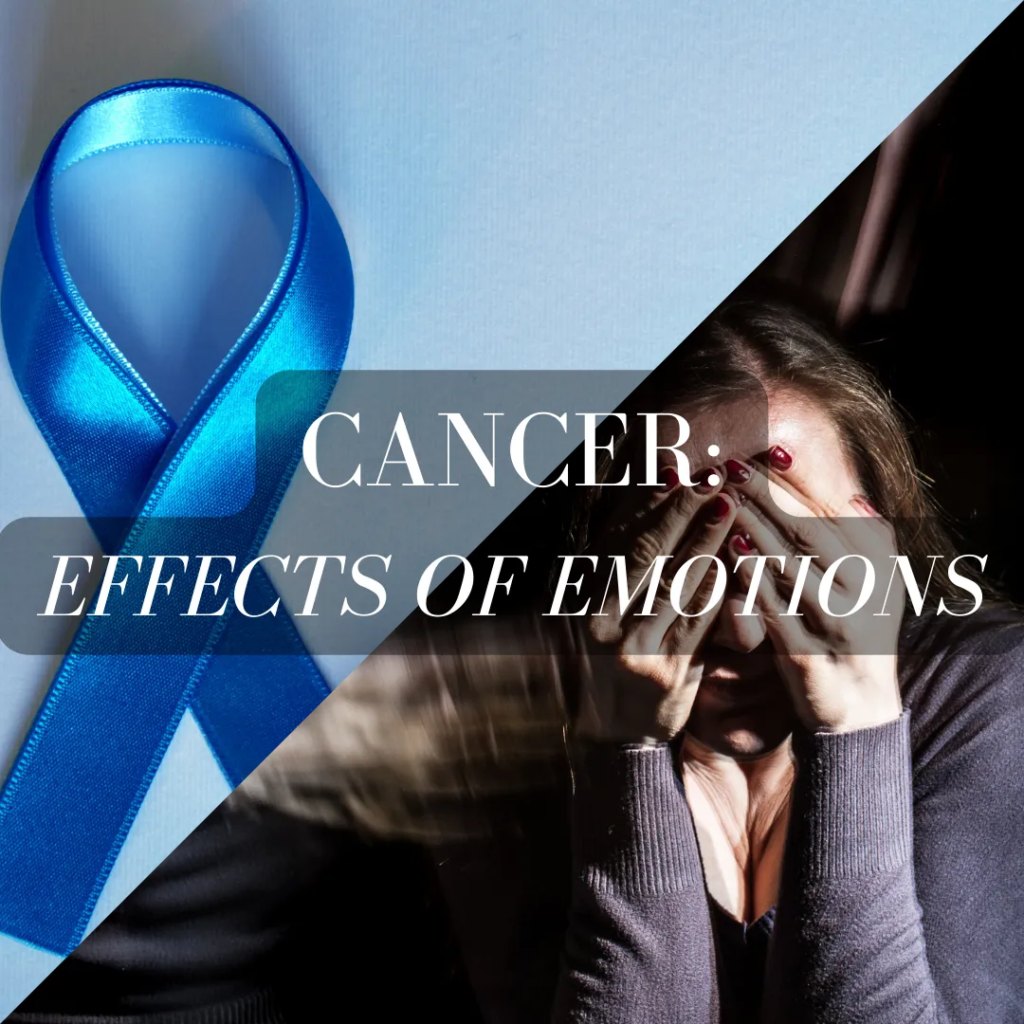
Emotional harmony and wellness in the world of cancer, a TCM perspective

There are many causes of cancer, some are known, and some are not. From TCM‘s perspective, cancer is a heat toxin that depletes a person’s nurture and righteous Qi and blood, causing deficiency. Cancer is then formed from an accumulation of prolonged, stagnated toxins, stagnated flow of Qi and blood, and deficiency of essence. Although in conventional knowledge, cancer is the unrestricted and abnormal growth of tissues, in TCM, cancer also reflects the internal and external relations of the body and its environment. 

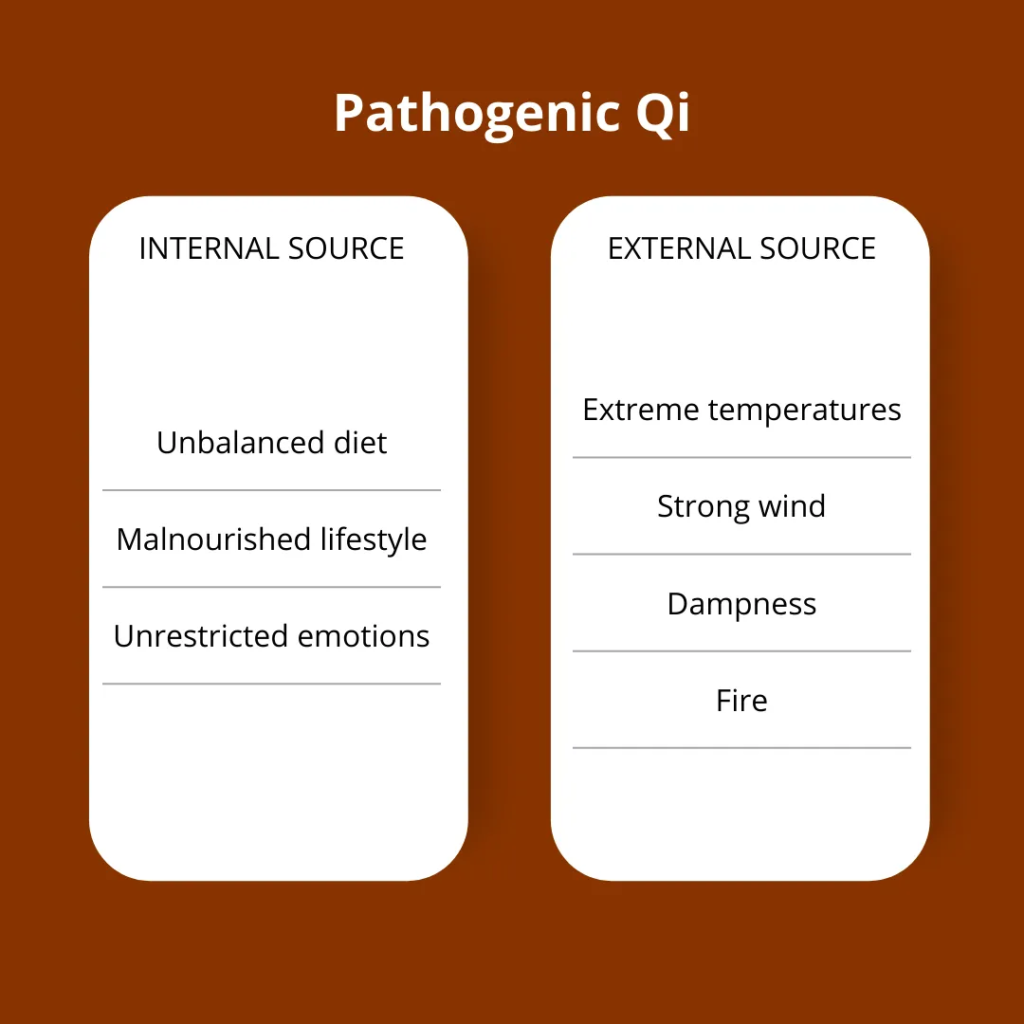
Cancer is also an accumulation of pathogenic Qi, which can come from both external and internal sources. From the external environment, the pathogenic Qi includes extreme temperatures like heat or cold, strong wind, dampness, and fire. If our internal Qi is strong and balanced, we can keep those pathogenic Qi out. From the internal environment, the pathogenic Qi comes from unrestricted emotions, an unbalanced diet, and an undernourished lifestyle. 

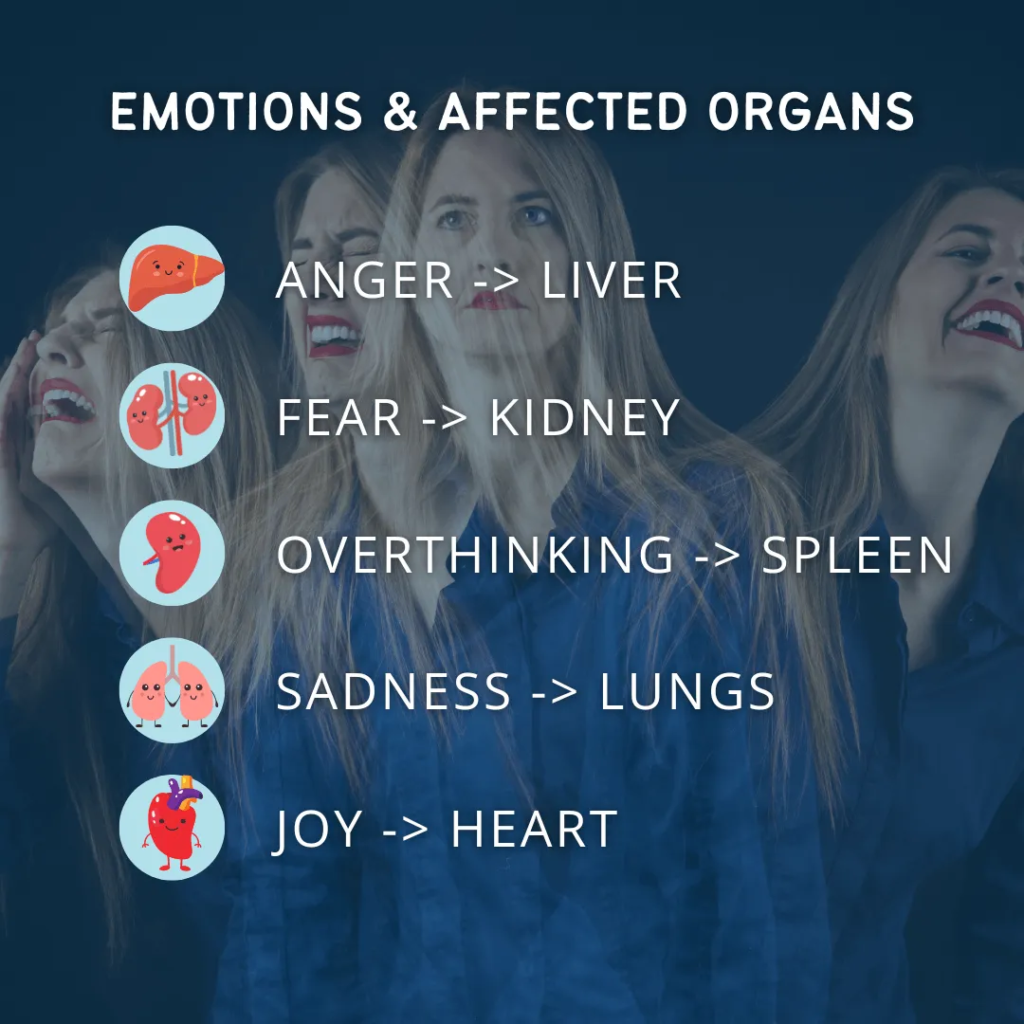
TCM emphasizes being mindful of our body and health, and following the rhythm of nature, that is much more than what you eat. TCM also sees emotional factors as a part of health, and every organ governs different emotions. For example, the heart governs joy, the Kidney governs fear, the liver governs anger, etc.

Overexpression in emotion is considered an imbalance in TCM, as overexpression of certain emotions can damage the Qi in the organ or other related meridians. For example, too much anger can damage the liver, and cause liver Qi stagnation in the meridians.This means that the functioning of the liver will be negatively impacted, such as in detoxing, repairing, and the coordination with other organs and meridians. 

Think about a time when you experienced prolonged and magnified anger. Have you noticed your body showing symptoms such as bad skin quality, or an increase in your body’s inflammation? That is an example of our body dysfunctioning from liver Qi stagnation due to our overexpression of emotions. 

When we overexpress the emotion of fear, it depletes the kidney essence, which is our essential reservation of Qi, blood, Yin, and Yang. 

When we overthink, it damages the spleen Q, which dominates the function of our digestion and nourishment.

Prolonged sadness damages the lung and leads to the depletion of our defensive Q, which leads to a decrease in our immune system against external pathogenic Qi, and inability to expel the internal pathogenic Qi.

The heart governs joy, consciousness (Shen), and meridians that provide unobstructed pathways for Qi to flow.

That’s why when treating cancer, or any chronic illness, with acupuncture and Chinese herbs, we don’t only focus on strengthening one’s function, but also encourage the movement of Qi, blood, and essence. This is a very unique concept of TCM treatment protocol. We also apply this concept in balancing the emotions that are governed by the organs. This can be achieved through acupuncture, herbs, and Qi Gong movements.

Treating cancer with TCM modality is not just focusing on the reduction of symptoms, but also to balance and harmonize each emotion.

If you are interested in kick starting your health recovery journey, book your free consultation below!

Book Your Free Consultation Here 

Cancer: GI Health & Detox

Cancer: GI Health & Detox

Your Health Begins from Your Mouth

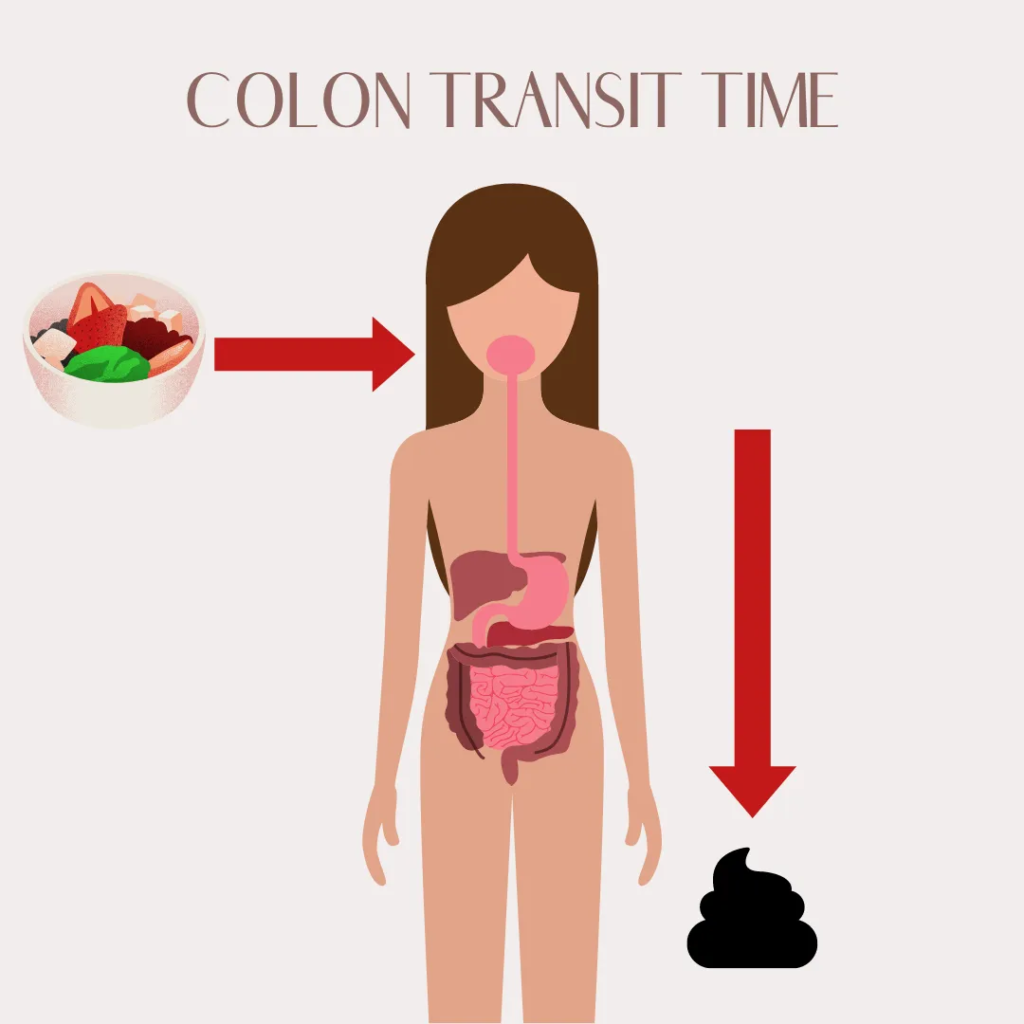
Your health begins from the food you eat and shows on the wastes you pass out, this is called Colon transit.

Colon transit time is the time between the moment you ingest your food, to when it starts to appear in your stool, and of course, when it stops appearing in your stool, or more simply put, how long the food stays in your system. In more rural areas, where diet consists of low meat content, and high fiber, the colon transit time is usually less 24 hours. Whereas in the modern world, where diet is more refined, and processed, we see longer transit time. 

During or after the chemotherapy, paying attention to colon transit time becomes very important.

Bowel movement is one of the most important ways for our body to detoxify. But what else do we need to do to help it? 

Before we go any further, let’s get to know a little more about how our body detoxes. Our body detoxes in 3 phases.

Phase 1: The body uses the liver enzyme to oxidate, hydrolyze or hydrate toxic substances. In this phase, toxins are transformed into reactive intermediate substances and produce free radicals, which lead to elevated oxidative stress. These intermediates are sometimes more toxic to the body. The metabolism of medication happens in this phase. The byproducts of detoxification, the intermediates, can potentially damage the liver and further damage the DNA, which can lead to cellular damage, and finally, lead to inflammation and cancer.

Phase 2: The body starts to conjugate the intermediates produced in phase one. The intermediates will be conjugated into water soluble, non toxic substances through this process so our body can eliminate them.

Phase 3: This phase involves the transportation of the detox end products, which relies on the GI movement and protection from the gut flora. Not one phase is more important than the others.

Research shows that the increased cancer risk is related to increased oxidative stress, so how do we make sure our cells are protected from the toxins? Luckily, we can help ourselves by eating the right food and improving our gut function.

In phase 1, we can see a potential increase of oxidative stress, so the solution is to increase the dietary intake of antioxidants and polyphenols, with food such as cruciferous vegetables, vitamin C, Zinc, curcumin, tea, and blueberries (Research Article).

In phase 2, the body requires more nutrients to help this process of conjugation more efficiently. The nutrients needed are Calcium-d -glucarate, Amino acids, cruciferous vegetables for sulfur metabolism, MSM, and N-Acetyl Cysteine. In this phase, although the nutrients can be ingested through food, the most efficient and effective method is to supplement them additionally under professional guidance (Research Article). 

Phase 3 is what we know as elimination. Because the end products from phase 2 are water soluble, the body can eliminate these end products through sweating, urinating, and bowel movement. An enhancement of the elimination function can be achieved through increasing fiber intake, exercise, or sauna.

More often than not, when talking about a healthy lifestyle, we hear only about eating healthy. After all, talking about regular bowel movement isn’t exactly glamorous! However, while we focus on the food we eat, we also need to make sure we have enough hydration and a regular bowel movement to eliminate toxins from our system. By elimination of toxins and replenishment of good nutrients, our body would truly enjoy the benefit of being and feeling great!

Book Your Free Consultation Here 

Cancer: Exercise, Inflammation

Exercise, inflammation, and cancer

I have practiced Yoga for many years, and recently, I started focusing on aerobic and strength training to improve my energy and strength up a notch. Through exercising and putting my muscles to the test, I got to know myself better. 

To be honest, I never liked to move much since I was a child, let alone making exercise a routine. I am a slow runner to this day, and I am only able to swim in one style. I can never play basketball because I am not tall enough nor do I have quick reflexes. When I started my medical practice, I realized that there is no way I can help my patients if I don’t walk the walk, so I started to practice Yoga and Qigong. As much as I hate getting up at 6 am, I have been practicing morning Yoga for more than a decade.

I can tell you through experience, if you want to feel more energetic, you need to exercise.

If you want to get out of depression, you need to exercise.

If you want to lose weight, you definitely need to exercise.

There is no excuse for not exercising.

You might be asking: what if I am too sick to exercise?

That’s a great question. The answer to it is not “no exercise”, but “what kind of exercise.” Take cancer patients for example, because of the pain and fatigue, certain strenuous exercises, such as running a marathon, might not be appropriate for this group of people, but it doesn’t mean cancer patients should stop exercising altogether.

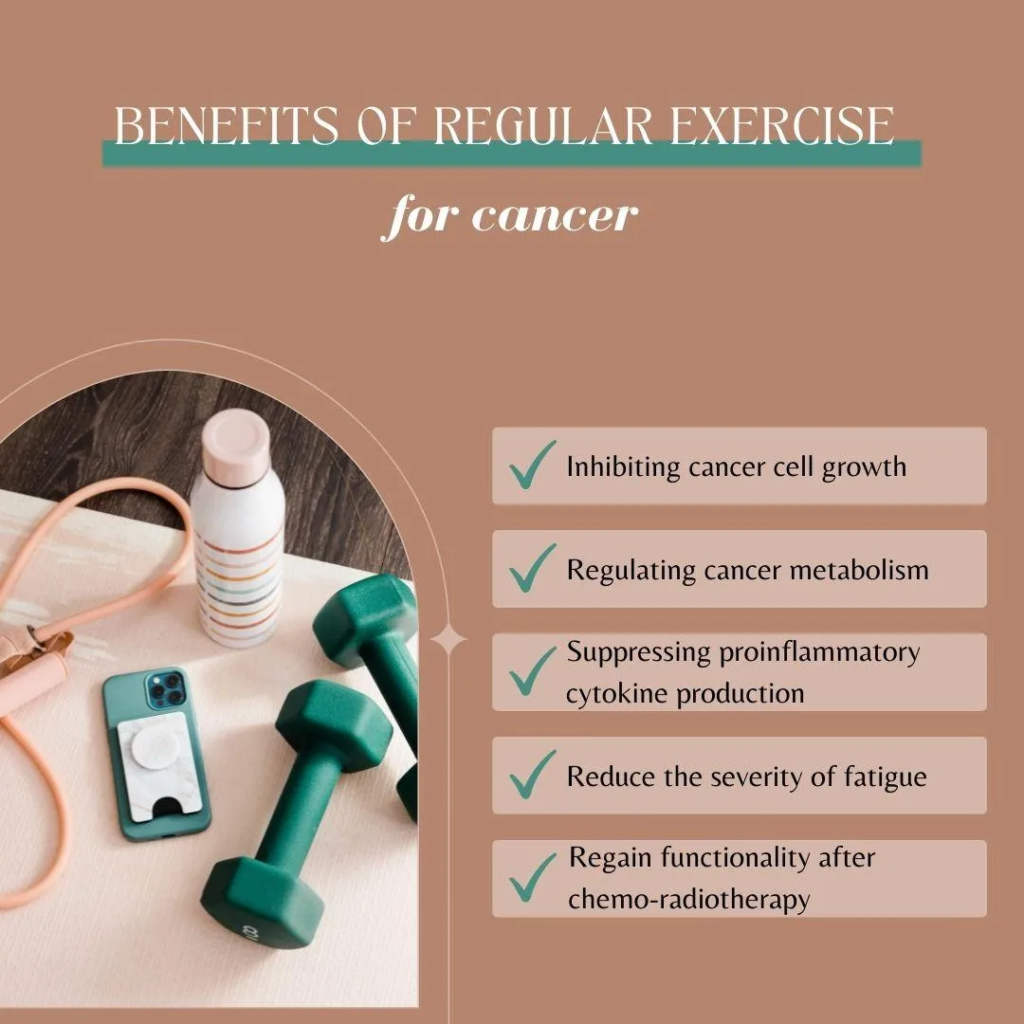
A few benefits of exercising that directly impacts cancer is inhibiting cancer cell growth, such as TGF-1 suppression, regulating cancer metabolism, and suppressing proinflammatory cytokine production (Research Article).

Even during chemo, patients can incorporate mild to moderate aerobic exercise , such as walking, to reduce the severity of fatigue and regain functionality after chemo-radiotherapy (Research Article). There is also evidence showing that moderate exercise can reduce C-reactive protein and interleukins, which can help with inflammation and fatigue during chemo (Research Article). 

The integrity of the immune system plays an important role in cancer. The development of cancer is related to the under responsive immune function. Exercise can significantly increase natural killer cells activity, stimulate the antigen, and regulate blood sugar and insulin metabolism (Research Article).

Of course, it’s always a good idea to consult with the patient’s care team to assess each individual’s fitness level and come up with a plan to incorporate into the treatment.

If you are interested in kick starting your health recovery journey, book your free consultation below!

Book Your Free Consultation Here 

The Permission to say “It’s Okay”

The Permission to say “It’s Okay”

It has been an interesting week. 

In the midst of new opportunities opening up, catching up on work, and various changes that are presented to me, as much as I constantly practice to operate under pressure, I had to admit that this has been difficult. 

I have been reflecting on what has been happening to me.

Just like being a care provider, we might not be able to change anything at that moment. But when the changes present themselves to us anyway, what can we do?

Sometimes the hardest to find answer to suffering, is one we can give to ourselves, that: 

“It’s okay.”

It’s okay to be sad.

It’s okay to be overwhelmed. 

It’s okay to be confused. 

It’s okay to make mistakes. 

It’s okay to pause.

It’s okay to rest.

It’s okay to just…be. 

How freeing is it to step into the full acknowledgment that my body is mine, my spirit is mine, my life is mine, and I have the permission to give everything that is mine, everything that it needs?

So today, I decided to give myself permission to:

Make mistakes so I can learn

Feel exhausted so I can recover

Get confused so I can meditate

Be challenged so I can conquer 

Feel sad so I can feel happy

We can’t wait until life isn’t hard anymore until we choose to give ourselves permission.

When the changes come, whether it’s physical or spiritual, it’s our time to own it and make the best use out of it. So this week, I give myself permission to rest, reflect, and enjoy. 

There are many researches showing the benefits of Chinese herbs for cancer treatment. However, to use herbal treatments safely and effectively, it is essential to consult a professional licensed TCM practitioner for a full and holistic evaluation of each case. 

If you are interested in kick starting your health recovery journey, book your free consultation below!

Book Your Free Consultation Here 

Cancer: What causes cancer?

Cancer: What causes cancer?

We don’t have a clear answer to that, but we might have a few clues.

In the book , Biology of Cancer, it depict the 6 major characteristics or hallmarks of cancer: 

Cancer lacks self-sufficient growth signals (Research Article).

Cancer is insensitive to growth inhibitory signals.

Cancer is evasive to programmed cell death

Cancer has limitless replicative potential

Cancer sustains angiogenesis

Cancer possesses tissues invasion and metastasis

With the understanding of these characteristics and hallmarks, we can start asking the question:

“What causes can lead to cancer?”

If we look at cancer, it’s like an organism that has unlimited, unrestricted growth, and the power of taking over. Cancer cells also demonstrate the ability of elevated glucose uptake and lactic acid production using oxygen, which is called The Warburg effect. So, what feeds the cancer?

When our body encounters stress, physical or emotional, it is like micro injuries on the tissues. To repair the micro injuries, we need more glucose, oxygen and blood flow. This, in turn, feeds into the abnormal cell growth in our body.

Although we don’t have a cure to cancer yet, we can still maintain a lifestyle to prevent cancer growth.

One of the cancer hallmarks is increased glucose uptake, elevated glucose also means increased inflammation. Therefore, maintaining a healthy level of blood sugar is one of the keys to health. 

There is evidence showing that elevated glucose can cause more damage in DNA, and increase genomic instability. The result of these hinder the cellular repair activity and lead to elevate the risk of cancer (Research Article). 

To manage a healthy level of glucose, there are 2 rules that you can follow at home:

  1. Be picky about your food: I am not promoting picky eating, but I would like to encourage you to choose wisely. Choose your carb to be more complex instead of simple. Eat whole rainbow colored food instead of mono food. Be cautious about extra sugar in the processed food
  2. Exercise: exercise can be a good way for our body to use sugar more efficiently. Moreover, regular exercise can help our body to be more sensitive to insulin. Both aerobic and strength training have the effect of reducing biomarkers in breast cancer (Research Article). Hyperinsulinemia (too much circulating insulin) is also a cause of inflammation.

In the case of herb drug interactions, there are increasing numbers of research done by scientists and practitioners where we see the effectiveness of classic herbs San Qi (Panax notoginseng) used in breast cancer treatment in conjunction with conventional therapy Tamoxifen. The finding in the research shows saponin in San Qi enhances cellular necrosis activity of Tamoxifen safely (Research Article).

There are many researches showing the benefits of Chinese herbs for cancer treatment. However, to use herbal treatments safely and effectively, it is essential to consult a professional licensed TCM practitioner for a full and holistic evaluation of each case. 

If you are interested in kick starting your health recovery journey, book your free consultation below!

Book Your Free Consultation Here 

Cancer: Can you use herbs in cancer treatment?

Using Herbs in Conjunction with Cancer Treatment

Can you use Chinese herbs in conjunction with conventional cancer treatment?

As TCM gains its recognition in cancer care, the usage of Chinese herbal formula is still being overlooked in most cancer cases. When working with cancer patients and oncologists, I encountered many hesitations in using Chinese herbs as adjunct therapies in cancer care.

Understandably, doctors and patients need to focus on the safety of the herbs first. Thus in many cases, they question the herbs-drug interactions, efficacy, toxicity in herbs, and lack of evidence-based research. 

However, Chinese herbal medicine has been widely used for cancer care in many countries in Asia, and a growing number of medical settings in the USA. It’s worthwhile to take a look at the available datas on hand, and answer some questions for patients who may want to seek out alternative treatment for cancer care.

The focus of cancer treatment in TCM is not on the cancer itself, but on the patient. Conventional cancer treatment has already shown its efficacy of eliminating cancer by chemotherapy, radiation, and targeting therapy, as the strategy of conventional cancer treatment is eradication of cancer cells. However, when it comes to the patient, what we look at through the TCM perspective, is the quality of life, the vitality, the intact function of the immune system, and the balanced relationship between all the systems of the whole body. So in order to care for cancer patients, it’s necessary to start treatment with thorough observation of the patient. 

In some cases, the patient needs solely the herbal formulas in the early stage of cancer/precancerous growth, as the patient’s vitality or Zheng Qi is still fully functioning without signs of deficiency. In other cases, we might want to wait until after the patient finishes the conventional treatment to restore the functions of the whole system, or fortify their own defense mechanism. During the conventional treatment, we might also consider using Chinese herbs to mitigate the side effects of chemo or radiation to improve the quality of life during the treatment and increase the success. 

The benefits of incorporating Chinese herbs into cancer care has been studied in many researches. In the case of radiation therapy, the focus of TCM herbs is to eliminate free radicals and protect DNA, reduce inflammation, decrease viscosity of the blood, and improve circulation, reduce the bone marrow suppression, and fortify the immune system from radiation damage (Research Article).

In the case of herb drug interactions, there are increasing numbers of research done by scientists and practitioners where we see the effectiveness of classic herbs San Qi (Panax notoginseng) used in breast cancer treatment in conjunction with conventional therapy Tamoxifen. The finding in the research shows saponin in San Qi enhances cellular necrosis activity of Tamoxifen safely (Research Article).

There are many researches showing the benefits of Chinese herbs for cancer treatment. However, to use herbal treatments safely and effectively, it is essential to consult a professional licensed TCM practitioner for a full and holistic evaluation of each case. 

If you are interested in kick starting your health recovery journey, book your free consultation below!

Book Your Free Consultation Here 

Why TCM has its place in cancer care

Why TCM has its place in Cancer Care

Cancer is definitely an illness that takes a toll on one’s health. 

The diagnosis of cancer is not an easy one. Although we don’t know everything about cancer, with the advancement of medicine and technology, we have discovered how certain genes, chemicals, toxins, and lifestyle can have impacts on developing and treating cancer. I am very happy to see how modern medicine has increased the survival rate in cancer patients.

Today I want to talk about the holistic perspective of cancer care in TCM. 

The idea of cancer is not new in TCM. In fact, there are countless recorded cases of invasive, abnormal, and aggressive growth in different parts of the body documented in many classic Chinese medicine books. Of course, back in those days, it was not yet named “cancer”

When observing those malignant growth, the ancient practitioners observed patterns that affected a person:

The progress mimics the blazing wildfire that destroys everything in their pathway. Therefore, it was given the name of “heat-toxin”. When the heat toxin progresses with massive destruction, the human body would show a weakening of Qi, blood, and vitality. This manifests deficiency. Therefore, the general principle of treatment with TCM is the balance between heat-toxin and nourishment of the body’s vitality.

Chemotherapy, radiotherapy, and genetic therapy have great success in cancer care, but we can’t oversee the side effects from these treatments. Conventional cancer treatment targets the cancer itself, whereas TCM focuses on the systemic wellness of the person. TCM doesn’t focus on the cellular level in cancer care, but the overall wellness of the patient.

In almost all the aspects of TCM, the flow of Qi and blood, the balanced functioning of each organ, and the unobstructed meridians are what’s being focused. 

The formation of cancer is the stagnation of Qi, blood and nutrients. When these “goodies” are not properly used by every organ or system, it becomes waste. Instead, these wastes damage the normal functioning of the body and further depletes the Qi, blood and nutrients.

TCM also looks at the balance between the righteous qi and the pathogenic qi from an energetic perspective. The righteous qi provides the defense of the entity so that the pathogenic can’t invade or form inside. To fortify the righteous Qi, it’s important not to over exhaust or over supply. 

When one exhausts himself over time, the righteous, defensive energy depletes, and then the body can’t protect itself. Whereas when the body is over supplied with food or nutrients, it can cause stagnation. The stagnation then further obstructs the flow of Qi and blood. Just like a flood brings sludges in the river bed, and gradually it becomes a vicious cycle.

In the treatment of TCM, the balanced state of righteous Qi is the key for healing. If the righteous Qi is strengthened, the pathogenic Qi would have no place to stay. At the same time, the righteous Qi also needs to flow un-obstructedly inside the channels of our body.

Therefore, the principle of TCM treatment is about connecting the organ, balancing the function, and removing the obstruction. It’s never about cancer. It’s also about the patient.

Even though modern medicine and ancient TCM didn’t name or refer to cancer in the same language, the illness itself has existed the same through time. Utilizing both modern advancement in medicine and ancient wisdom in TCM is the key to maximizing the health of cancer patients. 

When we focus on the patient, we focus on the wellbeing of the whole body, mind, and energy. Incorporating TCM into cancer would be a good way to improve the quality of life for patients going through cancer treatment.

If you are interested in kick starting your health recovery journey, book your free consultation below!

Book Your Free Consultation Here

Is clotty period normal?

I have practiced Yoga for many years, and recently, I started focusing on aerobic and strength training to improve my energy and strength up a notch. Through exercising and putting my muscles to the test, I got to know myself better.

If you are still in the reproductive years, you most likely have regular monthly flow. Certain contraceptives stop the monthly flow completely, but some don’t. Whether you are on contraception or not, you probably experienced this monthly visit at some point of your life.

Read More

Amy is cancer free!!!

Celebrating Amy’s Victorious Fight Against Cancer!

Today I want to invite you to celebrate with Amy for her victory in fighting against cancer!

Amy reached out to me before her chemotherapy. I have never met anyone who is as confident as Amy. Although fighting cancer is not an easy battle, and there was so much unknown ahead of her in this journey, Amy refused to be labeled by the illness. 

Starting from the beginning, she had been taking proactive steps toward her healing. She picked herself a great team, led by Dr. Lindsay Brubaker in UCHealth for her care, and I am very honored to be part of her team in this journey as well.

When we started the holistic part of the care, we talked about how to detox during chemo, how important sleep quality is during the chemo, and the plan of incorporating therapeutic food into the diet.

Chemotherapy is definitely not an easy ride. 

In the process, we worked through some classic symptoms like nausea and fatigue. Although there were ups and downs in the process, we sailed through it together. 

During her course of chemo, my job was to support her health and healing through acupuncture.

When treating cancer through the holistic health perspective, the focus is not about treating cancer. It’s pivotal to focus on the patient’s overall wellness even more. When a patient is undergoing chemotherapy, focusing on wellness helps the patient in reducing stress levels, increasing the immune tolerance, and detoxing from the drug. 

Today, Amy is cancer free! I believe she came out stronger and healthier!

After the last chemo treatment, I usually would suggest 1 to 3 months of continued acupuncture for the benefit of restoring the GI function, repairing tissue damage from oxidative stress, and increasing the resilience of the body. All of these repairs can be done with acupuncture!

Although Amy and I worked closely together for the past months and will continue to work together, I do believe that she is the one who holds the key to healing and has opened a new door for herself.

You go, Amy! We are so proud of you! 

Fighting against cancer takes tremendous strength and resilience, so it is an essential aid to the battle by having the best treatment options available holistically, targeting both the cancer and aiding the wellness of your body at the same time. 

If you are interested in kick starting your health recovery journey, book your free consultation below!

Enduring period pain may feel so endless sometimes, but there are scientifically proven results from peer reviewed research showing effective home remedies that are helpful in managing dysmenorrhea, giving patients more choices to support their health. 

If you are interested in kick starting your health recovery journey, book your free consultation below!

Book Your Free Consultation Here

Dysmenorrhea: Scientifically proven effective home remedies

Dysmenorrhea: Non-OTC Home Remedies

Dysmenorrhea can be a debilitating condition for women during fertile years. The root cause of dysmenorrhea is inflammation from over production of proinflammatory cytokines. These cytokines stimulate the production of prostaglandin in the uterus, which leads to contraction and hypoxia of the uterus. 

The first step to manage dysmenorrhea is to reduce inflammation. When a health issue is chronic and proinflammatory, we should always include diet and lifestyle changes as the most important step to go. 

1. Stress reduction

Stress increases cortisol production, and brings the imbalances in the hypothalamic- pituitary- adrenal axis in the hormonal system. This axis also dominates the health of our reproductive system. 

We all know about how stress leads to an unhealthy state of being. We might not be able to run away from the stress, but we can learn ways to manage it. 

Stress reduction techniques don’t have to be fancy. It could simply be to dedicate a certain time of the day to taking a walk, meditate for 5 minutes, and disconnect from your electronic devices for a certain amount of time in the day. The combination of deep breathing and meditation is by far my favorite technique to practice. There are research studies showing that 4-10 breaths per minute can activate our parasympathetic nervous system. This can decrease pain perception and demote fight or flight response (Research Article).

2. Nutrition and culinary spices 

You will be surprised that the spices on your spice rack can be a powerful tool in helping with the menstrual cramps. There are several commonly used spices/herbs that are also studied for dysmenorrhea. Ginger, fennel, and cinnamon are the ones that are studied the most. 

In TCM, these herbs are in the warming category, which provides analgesic effects for pain. Menstrual cramps in TCM is differentiated as cold stagnation, and herbs with warming properties are commonly used for treatment.

This meta analysis published in 2020 shows that ginger, fennel and cinnamon can effectively reduce not only the intensity of dysmenorrhea but also the duration of pain (Research Article). All three herbs contain the effective phyto chemicals that reduce inflammation (Research Article), anti spasmatic and analgesic effects (Research Article). A mixture of tea with fennel, ginger and cinnamon can add some flavor in your life, but also can be an effective home remedy for pain in dysmenorrhea. 

Although NSAIDs are commonly used for menstrual cramps and discomfort, the long term use can bring unwanted disruption in the gut microbiomes and other unwanted side effects. Looking for a long term solution, management with phytochemicals, and other ways of reducing inflammation best for the long run. 

3. Acupressure

Although regular acupuncture is a great way of health promoting modality, not everyone has regular access to the treatment. Massages on certain acuppoints can also be a good way to health with pain, especially in dysmenorrhea.

The two empirical points applied in the case of menstrual cramps are SP6 (san yin jiao) and LI4 (He gu), both can help with endogenous endorphin production and help with the pain reduction. Applying gentle pressure on these two points before and during menstruation can help relieve the pain. LI4 is known to be one of the master points for energy flow and pain reduction. SP6 is the confluent point for Yin meridians and dominates the menstrual flow and blood. The combination of these two points can work to regulate the energy flow in both Yin and Yang channels.

Enduring period pain may feel so endless sometimes, but there are scientifically proven results from peer reviewed research showing effective home remedies that are helpful in managing dysmenorrhea, giving patients more choices to support their health. 

If you are interested in kick starting your health recovery journey, book your free consultation below!

Book Your Free Consultation Here