Blog

Why Fertility Is About More Than Hormones | TCM Fertility

If My Hormone Tests Are Normal, Why Am I Still Having Trouble Conceiving?

A lot of the time, normal lab tests do indicate healthy fertility. However, there are many cases where pregnancy simply does not happen despite having “perfect” lab results.

What lab tests tell us is that there is no obvious disease related to infertility or failed pregnancy. What they do not always tell us is whether the body’s functions are truly optimal.

This is where Traditional Chinese Medicine (TCM) takes a different perspective.

In TCM, we look beyond disease and focus on imbalance and dysfunction—patterns that do not always appear on laboratory testing.

When evaluating fertility, TCM considers:

  • The regularity of menstruation
  • The quality of menstruation
  • The vitality and overall health of both parents
  • Mental and emotional well-being
  • The state of Qi, Blood, and Essence

Many patients fall into what I call the “not sick, not well” category.

Their lab tests are normal, but pregnancy is still not happening.

These patients are often experiencing:

  • Chronic stress
  • Inflammation
  • Food sensitivities or environmental allergies
  • Slow healing
  • Low body temperature
  • Unstable mood

You might ask:

“But there are people who seem less healthy and still get pregnant.”

That is true.

In TCM, it depends on where the imbalance or deficiency occurs.

When deficiencies affect the Chong and Ren meridians—the channels that govern reproductive health—they can have a significant impact on fertility, even when everything else appears normal.

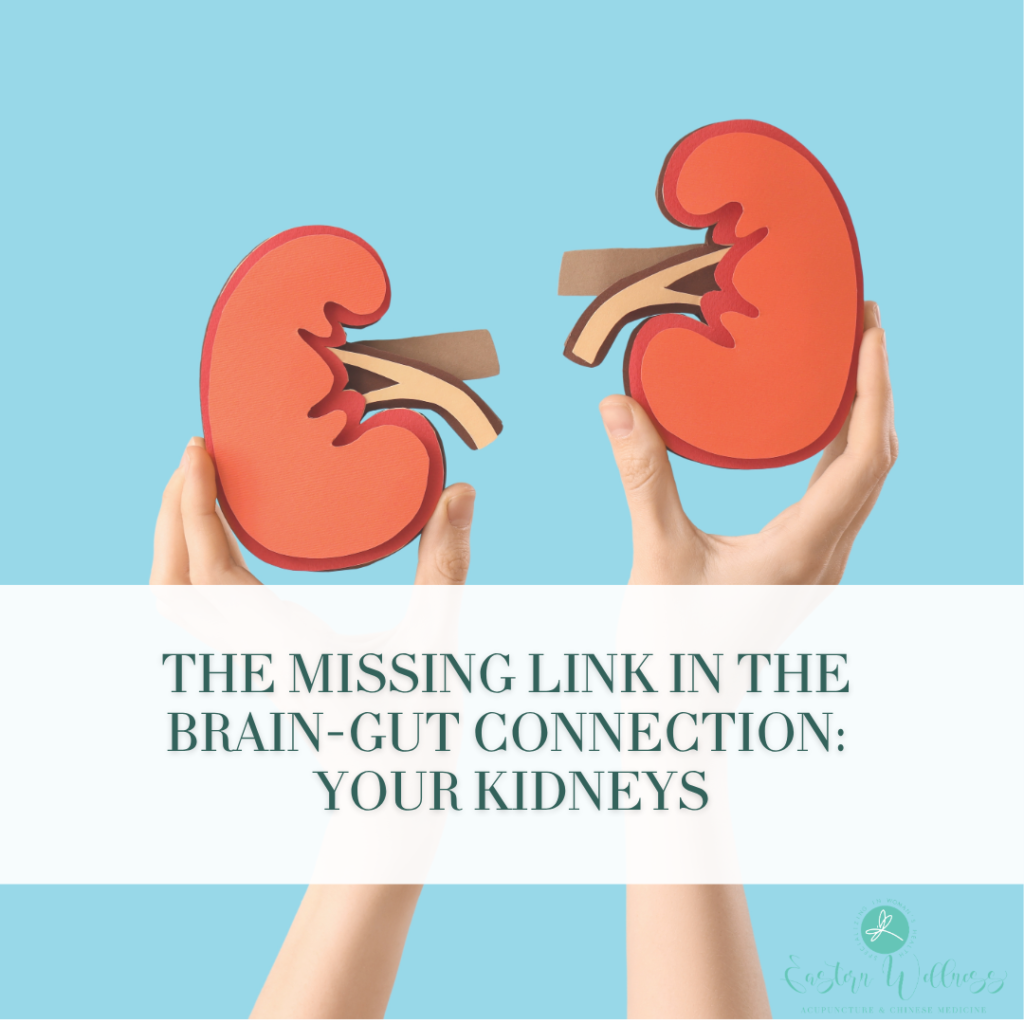
What Is Kidney Essence (Jing), and Why Is It Considered the Foundation of Fertility?

When you want to conceive, one of the body’s first priorities is to draw upon Kidney Essence to form healthy eggs and sperm.

Kidney Essence, or Jing, is considered the reservoir of our vitality.

It governs:

  • Growth
  • Development
  • Reproduction
  • Cognitive function

When we reach puberty, Kidney Essence is at its peak. From that point forward, it naturally begins to decline.

Fertility is a reflection of the abundance and strength of Kidney Essence.

Because Kidney Essence is closely connected to cognitive function and the body’s stress response, high levels of stress can gradually deplete it.

The higher the stress load, the more likely it is to impact the body’s reproductive reserves.

From a conventional perspective, Kidney Essence can be compared to:

  • Ovarian reserve
  • Egg quality
  • Sperm quality

This is why one of the first goals in supporting fertility is restoring and nourishing Kidney Essence.

When Kidney Essence is strong and abundant, it helps nourish the Spleen, Chong, and Ren channels, supporting the health of the ovaries and uterus.

The First Step: Restoring and Nourishing Kidney Essence

I know, I know.

Before trying to conceive, you are told to take your prenatal vitamins.

And you absolutely should.

Folic acid is important for preventing neural tube defects such as spina bifida.

But from a TCM perspective, supporting fertility goes beyond taking a prenatal.

Interestingly, the nervous system is also governed by Kidney Essence. Taking your prenatal vitamins is one of many ways to nourish the Kidney, but it is not the whole picture.

Long before pregnancy occurs, it is important to focus on restoring and protecting the body’s reserves.

The question becomes:

What else can we do to nourish Kidney Essence?

Prioritize Deep, Restorative Sleep

One of the most important ways to support Kidney Essence is by improving the quality of your sleep.

Deep sleep is essential for healing, restoration, and recovery.

It is also one of the primary ways the body replenishes Kidney Essence.

Because deep sleep occurs mostly during the first portion of the night, it is important to be in bed and away from screens before 11 PM.

In TCM, this time corresponds with the Liver channel, which plays an important role in restoration and recovery.

Respect Your Body’s Natural Rhythm

The Kidney channel reaches its peak activity between 5 PM and 7 PM.

For most people, that is too early to go to bed, but it is an important time to begin transitioning out of the stress and activity of the day.

This is a time to slow down, restore, and replenish.

Unfortunately, many of the things we commonly do during this time can deplete the very energy we are trying to preserve.

Examples include:

  • Excessive work
  • Intense exercise
  • Chronic stress
  • Fear and worry

One of the most common patterns I see in fertility patients is spending countless hours researching symptoms, scrolling through fertility forums, checking test results, and worrying about the future.

While completely understandable, this constant mental activity can consume the energy that the body needs for reproduction.

Use This Time to Nourish Yourself

Instead of spending your evening worrying about what might happen next, consider using this transition time to support your body.

Focus on:

  • Eating warm, nourishing meals
  • Practicing restorative movement
  • Slowing down before bedtime
  • Creating space for recovery

The goal is not to force fertility.

The goal is to create the internal environment that allows fertility to thrive.

Trust the Process

Fertility is about much more than hormone levels.

In TCM, we look at the overall health of the system, the abundance of Qi, Blood, and Essence, and the body’s ability to support new life.

Sometimes the next step is not another test.

Sometimes the next step is restoring the reserves that have been depleted by years of stress, overwork, and imbalance.

Now, let’s stop the endless searching and start trusting the process.

In Part 2, we’ll take a deeper look at fertility through the lens of Traditional Chinese Medicine and explore additional ways to support your fertility journey naturally.

Stay tuned.

Ready to Support Your Fertility Naturally?

If you’re struggling to conceive despite normal lab work, you may benefit from a deeper evaluation of your overall health, stress response, cycle quality, and internal balance.

At Eastern Wellness, we combine Traditional Chinese Medicine and Functional Medicine to help identify the patterns that may be affecting fertility and create a personalized plan to support your journey.

Schedule your consultation today and take the next step toward restoring balance and optimizing fertility.

When Your Body Feels “Off” but Nothing Is Wrong

Why Normal Labs Don’t Always Mean Optimal Health

The Role of Acupuncture in Functional Medicine: Bridging Ancient and Modern Healing

In today’s healthcare landscape, more patients are searching for answers beyond symptom management.

They are tired of being told everything looks “normal,” while their body tells a different story.

This is where integrative medicine begins to shift the conversation.

And one of the most powerful tools within this space is acupuncture.

Acupuncture is often misunderstood as simply “needles for pain.”
But in reality, it is a system of medicine that looks at function, regulation, and balance.

When combined with functional medicine, it becomes something more:

A bridge between ancient wisdom and modern science.

Understanding the Foundation: Function vs. Structure

In conventional medicine, much of the focus is on structure.

Lab tests, imaging, and diagnostics are designed to detect:

  • Organ damage
  • Disease progression
  • High levels of inflammation

These are important.

But they often identify problems after the body has already crossed a threshold.

Functional medicine and Traditional Chinese Medicine (TCM) take a different approach.

They ask:

How is the body functioning before damage occurs?

Because long before a diagnosis is made, the body shows signs of imbalance:

  • Fatigue
  • Brain fog
  • Digestive changes
  • Sleep disruption
  • Pain without clear cause

This is where acupuncture becomes highly relevant.

Acupuncture: More Than Symptom Relief

Acupuncture works by stimulating specific points on the body to regulate internal systems.

In TCM, this is described as moving Qi and restoring balance.

From a modern perspective, acupuncture influences:

  • The nervous system
  • Circulation
  • Immune function
  • Hormonal regulation

It is not just about treating symptoms.
It is about restoring communication within the body.

The Science Behind Acupuncture

Modern research has helped us better understand how acupuncture works.

One of the most studied areas is pain modulation.

A systematic review published in Archives of Internal Medicine found that acupuncture is effective for chronic pain conditions, including back pain, osteoarthritis, and headaches.

This study demonstrated that acupuncture was not only better than no treatment—but also more effective than standard care in many cases.

But pain relief is only one part of the picture.

Acupuncture and the Nervous System

Chronic stress is one of the most overlooked drivers of disease.

When the body remains in a sympathetic (fight-or-flight) state:

  • Digestion slows
  • Hormones become dysregulated
  • Inflammation increases
  • Repair mechanisms are suppressed

Acupuncture has also been shown to help regulate the nervous system.

A review published in Medical Acupuncture highlights how acupuncture can modulate the hypothalamic-pituitary-adrenal (HPA) axis, which plays a central role in the body’s stress response.

This means acupuncture helps the body shift out of a chronic stress state.

And healing does not happen in survival mode.

Circulation, Microcirculation, and Healing

Another key benefit of acupuncture is its effect on circulation.

In TCM, stagnation leads to pain and dysfunction.

In modern terms, this often reflects impaired microcirculation.

Poor circulation can lead to:

  • Pain
  • Stiffness
  • Delayed healing
  • Brain fog (reduced oxygen and blood flow to the brain)

Acupuncture increases blood flow to targeted areas, supporting tissue repair and reducing inflammation.

This is one reason it is commonly used in both acute and chronic conditions.

Integrating Acupuncture into Functional Medicine

Functional medicine focuses on identifying root causes.

This includes:

  • Nutrition
  • Gut health
  • Hormonal balance
  • Detoxification pathways
  • Lifestyle factors

Acupuncture fits naturally into this model.

Because it does not replace these interventions—it enhances them.

A Synergistic Approach to Healing

When acupuncture is combined with functional medicine, the treatment becomes more comprehensive.

For example:

Nutrition + Acupuncture
Diet provides the building blocks.
Acupuncture improves digestion, absorption, and regulation.

Supplements + Acupuncture
Supplements support biochemical pathways.
Acupuncture enhances circulation and delivery.

Lifestyle + Acupuncture
Lifestyle changes reduce stressors.
Acupuncture helps the body adapt and regulate.

This is what true integrative medicine looks like.

Addressing Both Physical and Energetic Imbalance

One of the unique aspects of acupuncture is its ability to address both physical and energetic levels.

In TCM:

  • The Liver regulates flow
  • The Spleen supports digestion and energy
  • The Kidneys store essence and regulate aging
  • The Heart governs the mind and emotional state

These are not just organs—they are functional systems.

When these systems are out of balance, symptoms appear.

Acupuncture helps restore this balance.

Chronic Conditions and Acupuncture

Many patients seeking functional medicine care are dealing with chronic conditions.

These often include:

  • Autoimmune disorders
  • Hormonal imbalances
  • Digestive issues
  • Chronic fatigue
  • Pain syndromes

These conditions are rarely caused by a single factor.

They are the result of multiple systems being out of balance.

Acupuncture supports these patients by:

  • Reducing inflammation
  • Regulating the nervous system
  • Improving energy production
  • Supporting circulation

It helps the body respond to treatment more effectively.

The Role of Energy in Modern Healing

The concept of energy can be difficult to understand from a purely biomedical perspective.

But we see its effects every day.

Energy is:

  • How your body produces ATP (mitochondrial function)
  • How your nervous system communicates
  • How blood and oxygen circulate

In TCM, this is described as Qi.

When Qi flows smoothly, the body functions well.

When it becomes stagnant or deficient, symptoms arise.

Acupuncture helps regulate this flow.

Why Patients Respond to Integrative Care

Patients often come to acupuncture after trying multiple approaches.

What they are really looking for is not just relief—but understanding.

They want to know:

  • Why they feel the way they do
  • Why symptoms persist despite “normal” labs
  • What their body is trying to communicate

Integrative care provides this framework.

It acknowledges that health is not just the absence of disease.

It is the presence of balance.

The Importance of Personalization

No two patients are the same.

Even if symptoms appear similar, the underlying patterns can be very different.

This is why both functional medicine and TCM emphasize individualized care.

Acupuncture treatments are tailored based on:

  • Symptoms
  • Pulse and tongue diagnosis
  • Overall constitution
  • Lifestyle factors

This allows for a more precise and effective approach.

A Preventative Approach to Health

One of the most valuable aspects of acupuncture is its role in prevention.

Instead of waiting for disease to develop, acupuncture helps:

  • Regulate stress
  • Support immune function
  • Maintain hormonal balance
  • Improve resilience

This aligns closely with functional medicine’s goal:

To address dysfunction before it becomes disease.

Bridging Ancient and Modern Medicine

We are at a point in healthcare where integration is not just beneficial—it is necessary.

Ancient systems like TCM offer insight into patterns and balance.

Modern medicine provides advanced diagnostics and acute care.

Functional medicine connects the two.

Acupuncture sits at the intersection.

It translates ancient principles into modern application.

A More Complete Model of Healing

When we combine:

  • Acupuncture
  • Nutrition
  • Lifestyle modification
  • Functional testing

We begin to see the full picture.

Not just what is wrong—but why.

Not just how to treat—but how to restore.

The Takeaway: A Different Way to Heal

Acupuncture is not just an alternative therapy.

It is a foundational tool in integrative medicine.

It supports:

  • Nervous system regulation
  • Circulation and healing
  • Stress reduction
  • System-wide balance

When combined with functional medicine, it allows us to address both the physical and energetic aspects of health.

Because healing is not just about removing symptoms.

It is about restoring function.

And when the body is supported in the right way, it often knows exactly what to do.

Dysbiosis Explained

Many patients come to me and say,
“My stool test says I have dysbiosis.”
Or, “I have too much bad bacteria.”
Or SIBO. Or candida.

They are confused and a little scared.

What Dysbiosis Means

n functional medicine, dysbiosis means an imbalance in the gut microbiome.
Too much harmful bacteria, not enough beneficial bacteria, low diversity, inflammation.

In TCM, we don’t use the word microbiome.
But we have always treated this pattern.

The TCM Perspective: Spleen Qi and Digestion

Most of the time, I see Spleen Qi deficiency.

The Spleen is responsible for transformation and transportation. It takes food and turns it into Qi and Blood.

When Spleen Qi is strong:

  • Digestion is stable
  • Stool is formed
  • Energy is steady

When Spleen Qi becomes weak — from stress, irregular eating, too much cold food, antibiotics, or chronic illness — dampness forms.

Dampness and Damp-Heat

Dampness is heavy and sticky.
It creates an internal environment where things don’t move well.

When dampness stays too long, it can turn into Damp-Heat.

This is when we see more inflammation:

  • Bloating with foul gas
  • Loose stool with urgency
  • Skin rashes
  • Acne
  • Vaginal infections
  • UTIs
  • Bad breath

From a modern view, this often matches bacterial overgrowth or yeast overgrowth.

Looking Beyond “Killing Bacteria”

In Chinese medicine, we don’t focus on killing bacteria first.

We ask: why is the terrain weak?

If Zheng Qi is strong, pathogens cannot stay.
If Spleen Qi is strong, dampness cannot accumulate.
If Liver Qi flows smoothly, digestion stays regulated.

The Role of Stress and Liver Qi

Stress is a big factor.

Liver Qi stagnation overacts on the Spleen.

Patients may experience:

  • Alternating constipation and diarrhea
  • Abdominal distension
  • PMS
  • Irritability

This is very common in women who carry a lot.

When Dysbiosis Becomes Chronic

Sometimes long-term dysbiosis also injures Yin and Blood.

Then we see:

  • Dryness
  • Anxiety
  • Poor sleep
  • Fatigue

Treatment Is Always Individual

Treatment is not one formula for everyone.

Some patients need to:

  • Strengthen Spleen Qi
  • Clear Damp-Heat
  • Soothe Liver
  • Nourish Yin while gently transforming dampness

Diet and Daily Rhythm Matter

Diet matters.

  • Warm, cooked food
  • Regular schedule
  • Less sugar and alcohol
  • Protect digestion during stress


A Root-Cause Perspective

Dysbiosis is not just about bacteria.
It is a sign that the internal balance is off.

When we correct the root, the gut ecosystem can rebalance naturally.

That is how I see dysbiosis in clinic.

Detoxing Safely: TCM’s Gentle Cleanse vs. Fad Detox Diets

Gut Microbiome Meets TCM: Fermented Foods, Probiotics, and Digestive Health

Where modern microbiome science and Traditional Chinese Medicine agree

Over the past decade, modern medicine has begun to recognize something that Traditional Chinese Medicine (TCM) has emphasized for thousands of years:

Digestive health is the foundation of overall health.

Research into the gut microbiome—the trillions of microorganisms living in our digestive tract—has revealed how profoundly the gut influences immune function, metabolism, mental clarity, and inflammation.

In TCM, this concept has long been expressed through the importance of the Spleen and Stomach system, which governs digestion, nutrient absorption, and the transformation of food into Qi and Blood.

While the language may be different, the core principle is remarkably similar:

When digestion is strong, the body thrives. When digestion is weak, imbalance appears.

Today, an interesting bridge is forming between modern microbiome science and ancient dietary wisdom—especially through the use of fermented foods and probiotics.

Let’s explore how these approaches complement each other and how nurturing your gut microbiome can support long-term digestive health.

Understanding the Gut Microbiome

I

The gut microbiome refers to the complex ecosystem of bacteria, fungi, and other microorganisms living in the digestive tract.

These microbes are not merely passive residents—they actively participate in essential physiological functions, including:

  • Breaking down food and fiber
  • Producing vitamins such as B vitamins and vitamin K
  • Supporting immune regulation
  • Maintaining intestinal barrier integrity
  • Influencing mood and cognitive function

In fact, the human gut contains trillions of microbes, collectively weighing up to two kilograms and performing functions that resemble those of a metabolic organ.

Research published in Nature Reviews Gastroenterology & Hepatology highlights how disruptions to the gut microbiome—known as dysbiosis—are associated with numerous chronic conditions, including inflammatory bowel disease, metabolic disorders, and immune dysfunction.

This growing body of research has reinforced what many traditional healing systems have long observed:

The gut plays a central role in maintaining systemic balance.

Digestive Health in Traditional Chinese Medicine

In TCM, digestion is governed primarily by the Spleen and Stomach system.

While these organs do not correspond exactly to their Western anatomical definitions, they represent a functional system responsible for transforming food into usable energy.

This process is known as “transforming and transporting.”

Through this function, the digestive system produces:

  • Qi – the body’s functional energy
  • Blood – nourishment for tissues and organs

When digestion is strong, the body produces sufficient Qi and Blood, supporting:

  • Stable energy
  • Mental clarity
  • Healthy immunity
  • Strong muscle tone
  • Balanced metabolism

However, when digestion becomes weak, symptoms often appear such as:

  • Fatigue after eating
  • Bloating
  • Brain fog
  • Loose stools
  • Cravings for sugar
  • Low immunity

Interestingly, many of these symptoms are also associated with microbiome imbalance in modern medicine.

This overlap highlights a fascinating alignment between ancient digestive theory and modern microbiology.

The Role of Fermented Foods in Gut Health

One of the most powerful ways to support the gut microbiome is through fermented foods.

Fermentation is a natural process in which microorganisms break down carbohydrates and sugars, producing beneficial compounds and probiotics.

Common fermented foods include:

  • Yogurt
  • Kefir
  • Kimchi
  • Sauerkraut
  • Miso
  • Tempeh
  • Kombucha

These foods contain live microorganisms that can help support a healthy balance of gut bacteria.

Research published in the journal Nutrients explains that fermented foods can positively influence the composition of the gut microbiota and support metabolic and immune health.

Fermented foods may help:

  • Increase microbial diversity in the gut
  • Support digestion and nutrient absorption
  • Strengthen immune defenses
  • Reduce inflammation

For many individuals, regularly incorporating fermented foods into the diet can help restore microbial balance after disruptions caused by stress, illness, antibiotics, or poor diet.

Probiotics and Digestive Balance

Probiotics are live microorganisms that provide health benefits when consumed in adequate amounts.

While fermented foods naturally contain probiotics, probiotic supplements may also be used in specific cases to support digestive health.

Scientific research has shown that probiotics may help regulate immune function, support gut barrier integrity, and improve digestive symptoms.

A comprehensive review published in The Lancet Gastroenterology & Hepatology highlights the potential role of probiotics in supporting gastrointestinal health and restoring microbial balance after dysbiosis.

However, probiotics are not a one-size-fits-all solution.

Different bacterial strains have different functions, and choosing the right probiotic often depends on the individual’s digestive pattern and underlying imbalance.

This is where the perspective of Traditional Chinese Medicine can be particularly helpful.

The TCM Perspective: Strengthening the Digestive Foundation

In TCM, digestive health is not just about the microorganisms living in the gut. It is about the strength of the digestive system itself.

Even beneficial bacteria cannot thrive in an environment where digestion is weak.

For this reason, TCM places strong emphasis on dietary habits and digestive support.

Key principles include:

Eating Warm, Cooked Meals

TCM traditionally encourages warm, cooked foods rather than excessive cold or raw foods.

Cooked foods are easier for the digestive system to transform into energy, particularly for individuals with weaker digestion.

This approach may also support better nutrient absorption and digestive comfort.

Supporting the Spleen with Gentle Foods

Foods that nourish digestion in TCM often include:

  • Rice
  • Oats
  • Sweet potatoes
  • Squash
  • Carrots
  • Lentils
  • Chicken broth

These foods are considered gentle and strengthening, helping the digestive system produce sufficient Qi and Blood.

Avoiding Excessive Processed Foods

Highly processed foods, excessive sugar, and irregular eating patterns can weaken digestive function and disrupt microbial balance.

From both a microbiome and TCM perspective, these habits contribute to inflammation and digestive imbalance.

Herbs That Support Digestive Function

Traditional Chinese herbal medicine has long included herbs that support digestive function and intestinal balance.

Some commonly used herbs include:

  • Ginger (Sheng Jiang) – warms digestion and improves circulation
  • Atractylodes (Bai Zhu) – strengthens Spleen Qi
  • Licorice root (Gan Cao) – harmonizes digestion
  • Chen Pi (aged citrus peel) – improves digestive movement

These herbs are often combined in formulas designed to strengthen digestive energy and reduce symptoms such as bloating, fatigue, and poor appetite.

Interestingly, modern research has begun exploring the microbiome-modulating effects of herbal compounds, suggesting that traditional herbal formulas may influence gut bacteria as well.

The Gut–Immune Connection

One of the most important roles of the gut microbiome is its relationship with the immune system.

Approximately 70% of the immune system resides in the gut, where immune cells interact constantly with microbial populations.

A balanced microbiome helps regulate immune responses and prevent excessive inflammation.

When microbial balance is disrupted, immune regulation can become impaired, contributing to inflammatory and autoimmune conditions.

This relationship between digestion and immunity closely mirrors the TCM concept of Wei Qi, or protective energy.

Wei Qi helps defend the body against external pathogens such as viruses, bacteria, and environmental stressors.

From a TCM perspective, strong digestion produces the energy necessary to maintain this protective barrier.

Lifestyle Habits That Support Gut Health

While diet plays a major role in digestive health, lifestyle factors also influence the microbiome.

Several habits can help maintain microbial balance:

Eating Mindfully

Eating while stressed or distracted can impair digestion and alter gut function.

Taking time to eat calmly supports digestive enzymes and nutrient absorption.

Maintaining Consistent Meal Times

Regular meal timing helps regulate digestive rhythms and supports metabolic balance.

Managing Stress

Chronic stress can disrupt both the microbiome and digestive function.

Practices such as meditation, breathing exercises, Tai Chi, or acupuncture may help regulate the nervous system and support gut health.

Getting Enough Sleep

Sleep plays an important role in metabolic and immune regulation.

Poor sleep can negatively affect gut bacteria and inflammatory pathways.

Bridging Ancient Wisdom and Modern Science

When we compare the principles of Traditional Chinese Medicine with modern microbiome research, a remarkable pattern appears.

Both approaches emphasize:

  • Strong digestion as the foundation of health
  • The importance of whole, nourishing foods
  • Balance within the gut ecosystem
  • The connection between digestion and immunity

The language may differ—Qi and Spleen function in TCM, microbial diversity and intestinal integrity in modern science—but the message is strikingly similar.

Healthy digestion supports every system in the body.

Building a Digestive Foundation for Long-Term Health

Supporting the gut microbiome does not require extreme diets or complicated protocols.

Often, the most effective strategies are the simplest:

  • Incorporate fermented foods regularly
  • Eat warm, nourishing meals
  • Maintain consistent eating habits
  • Reduce highly processed foods
  • Manage stress and support sleep

These habits nourish both the microbial ecosystem of the gut and the digestive foundation described in Traditional Chinese Medicine.

When digestion is supported, the body is better able to generate energy, regulate inflammation, and maintain resilience.

Final Thoughts

Modern science continues to uncover the profound influence of the gut microbiome on human health.

At the same time, ancient traditions like Traditional Chinese Medicine have long recognized the importance of strong digestion for vitality and balance.

Fermented foods, probiotics, and supportive dietary practices offer a bridge between these two perspectives.

By nurturing the gut microbiome and strengthening digestive function, we support not only digestive health, but the broader systems that depend on it—energy, immunity, and overall well-being.

Sometimes the most powerful healing strategies are those that bring together ancient wisdom and modern science, allowing us to care for the body in a deeper and more integrated way.

Understanding Qi: How TCM Explains Chronic Fatigue and Low Energy

A Traditional Chinese Medicine Perspective on Rebuilding Vital Energy

Fatigue has become one of the most common complaints I hear in the clinic.

Patients often say things like:

“I’m exhausted all the time.”
“My labs are normal, but I still feel drained.”
“Coffee helps for a little while, but then I crash again.”

This type of fatigue is different from simply staying up too late or having a busy week. It is the kind of low energy that lingers. The kind that makes it difficult to focus, exercise, or even get through the day.

In many cases, conventional lab work does not reveal a clear explanation.

From the perspective of Traditional Chinese Medicine (TCM), however, chronic fatigue is rarely mysterious. It is often related to a concept called Qi—the vital energy that supports every function in the body.

Understanding what Qi is, how it becomes depleted, and how to restore it can offer a meaningful framework for addressing long-term fatigue.

What Is Qi?

In Traditional Chinese Medicine, Qi (pronounced “chee”) is the fundamental life force that powers the body.

Qi is not a single substance but rather a dynamic form of energy that drives physiological processes, including:

  • Circulation
  • Digestion
  • Immune defense
  • Hormonal balance
  • Mental clarity
  • Physical strength

You can think of Qi as the body’s functional energy—the capacity for organs and systems to perform their roles efficiently.

When Qi flows smoothly and is abundant, we experience:

  • Steady energy
  • Clear thinking
  • Strong digestion
  • Balanced emotions
  • Good resilience to stress

When Qi becomes deficient or blocked, fatigue and other symptoms often appear.

Chronic Fatigue Through the Lens of TCM

In Traditional Chinese Medicine, persistent fatigue is rarely attributed to a single cause. Instead, practitioners evaluate patterns of imbalance that affect the body’s ability to produce and distribute energy.

Some of the most common patterns associated with chronic fatigue TCM include:

  • Qi deficiency
  • Spleen Qi weakness
  • Blood deficiency
  • Kidney depletion
  • Qi stagnation from chronic stress

Each pattern reflects a different reason why the body’s energy system is struggling.

Understanding these patterns helps guide treatment strategies that aim to restore vitality rather than simply suppress symptoms.

Qi Deficiency: When the Body Runs Low on Energy

The most straightforward explanation for chronic fatigue in TCM is Qi deficiency.

Qi deficiency occurs when the body does not generate enough energy to sustain normal function.

Common signs include:

  • Persistent fatigue
  • Weakness
  • Shortness of breath
  • Low motivation
  • Poor concentration
  • Increased susceptibility to illness

Several lifestyle factors can gradually deplete Qi, including:

  • Chronic stress
  • Inadequate sleep
  • Poor nutrition
  • Overwork
  • Recovery after illness

This pattern is particularly common in modern life, where many people operate under continuous mental and emotional stress.

The Role of the Spleen in Energy Production

In TCM, the Spleen system plays a central role in energy production.

This concept differs from the anatomical spleen in Western medicine. Instead, it represents the digestive system’s ability to transform food into usable energy.

The Spleen is responsible for converting nutrients from food into Qi and Blood, which fuel the entire body.

When Spleen Qi becomes weak, several symptoms can appear:

  • Fatigue after meals
  • Brain fog
  • Bloating
  • Loose stools
  • Cravings for sugar
  • Low physical stamina

This pattern often develops when people:

  • Eat irregularly
  • Consume excessive processed foods
  • Skip meals
  • Experience chronic stress during eating

From a functional medicine perspective, this pattern often parallels digestive dysfunction, blood sugar instability, and nutrient malabsorption.

Supporting digestion is therefore a major component of restoring energy in both TCM and modern integrative medicine.

Stress and Qi Stagnation

Fatigue is not always caused by a lack of energy. Sometimes it is caused by energy that is unable to move properly.

In TCM, this is known as Qi stagnation.

Stress, emotional suppression, and chronic tension can block the natural flow of Qi throughout the body.

When Qi stagnates, symptoms may include:

  • Fatigue with irritability
  • Tension headaches
  • Digestive discomfort
  • Mood swings
  • Feeling “wired but tired”

Research has increasingly shown that chronic stress affects both the nervous system and energy metabolism.

This physiological response closely parallels the TCM concept of Qi flow becoming disrupted under stress.

When stress remains unresolved, the body’s energy becomes inefficiently distributed, contributing to chronic exhaustion.

Kidney Energy and Long-Term Fatigue

Another important factor in chronic fatigue is the Kidney system in TCM.

The Kidneys are considered the body’s deep energy reserve. They store what is called Jing, or essence, which supports long-term vitality.

Kidney depletion can occur from:

  • Chronic stress over many years
  • Sleep deprivation
  • Aging
  • Hormonal transitions
  • Long-term illness

Symptoms may include:

  • Deep fatigue
  • Brain fog
  • Poor recovery from exertion
  • Lower back weakness
  • Hormonal imbalance
  • Reduced resilience to stress

From a functional perspective, this pattern can overlap with concepts such as adrenal stress, mitochondrial dysfunction, and hormonal dysregulation.

When these deeper reserves are depleted, rebuilding energy requires gradual restoration rather than quick fixes.

Rebuilding Qi: Practical Ways to Boost Energy Naturally

One of the strengths of Traditional Chinese Medicine is that it provides practical strategies to restore energy gently and sustainably.

Rather than forcing the body to perform, the goal is to rebuild the foundation of vitality.

Below are several evidence-informed approaches commonly used to boost energy naturally.

Gentle Movement: Tai Chi and Qi Gong

Movement plays a powerful role in restoring Qi circulation.

Practices such as Tai Chi and Qi Gong combine slow movement, breathing, and mental focus to improve energy flow.

Research supports their benefits for fatigue.

A systematic review found that Tai Chi and Qigong practices significantly improved fatigue and quality of life in individuals with chronic health conditions.

These exercises are particularly helpful because they:

  • Improve circulation
  • Reduce stress hormones
  • Enhance nervous system regulation
  • Promote energy efficiency

Unlike high-intensity workouts, they rebuild energy rather than depleting it.

Breathwork and Nervous System Regulation

Breathing patterns have a direct influence on energy production.

Shallow breathing—common during stress—limits oxygen delivery and contributes to fatigue.

Slow diaphragmatic breathing helps:

  • Improve oxygenation
  • Calm the nervous system
  • Reduce cortisol levels
  • Enhance mental clarity

From a TCM perspective, breathing supports the Lung system, which plays a role in distributing Qi throughout the body.

Simple breathing practices can therefore help restore both physical and mental energy.

Acupuncture for Energy Regulation

Acupuncture is widely used to support fatigue and restore balance in the body’s energy systems.

In TCM, acupuncture works by:

  • Regulating Qi flow
  • Supporting organ systems involved in energy production
  • Improving circulation
  • Calming the nervous system

Clinical research has shown promising results for acupuncture in fatigue-related conditions.

A randomized clinical trial found that acupuncture significantly improved fatigue and quality of life in patients with chronic fatigue syndrome.

While acupuncture does not provide instant stimulation like caffeine, it helps the body restore sustainable energy regulation over time.

Qi-Building Foods

Nutrition plays a fundamental role in restoring Qi.

In TCM dietary therapy, foods that strengthen energy production include:

  • Sweet potatoes
  • Squash
  • Oats
  • Rice
  • Lentils
  • Chicken
  • Bone broth
  • Dates
  • Ginger

These foods are considered easy to digest and nourishing, supporting the Spleen system responsible for energy production.

Highly processed foods, excessive sugar, and irregular eating patterns can weaken this system and contribute to fatigue.

Simple dietary habits that support Qi include:

  • Eating warm, cooked meals
  • Maintaining regular meal times
  • Avoiding excessive cold or raw foods when digestion is weak
  • Prioritizing whole, nutrient-dense ingredients

Herbal Support for Energy

Traditional herbal formulas are often used to support Qi deficiency.

Some classic Qi-supporting herbs include:

  • Astragalus (Huang Qi)
  • Ginseng (Ren Shen)
  • Codonopsis (Dang Shen)
  • Licorice root (Gan Cao)

These herbs are typically used in formulas tailored to an individual’s pattern rather than taken in isolation.

Herbal medicine works gradually by supporting digestion, circulation, and metabolic efficiency, helping the body restore its natural energy production.

Lifestyle Rhythms That Protect Qi

Perhaps the most overlooked factor in chronic fatigue is daily rhythm.

Qi thrives on consistency and balance.

Helpful habits include:

  • Maintaining a regular sleep schedule
  • Eating meals at consistent times
  • Scheduling breaks during the workday
  • Spending time outdoors
  • Reducing overstimulation in the evening

In TCM philosophy, health is closely tied to living in harmony with natural rhythms, including the cycles of day and night.

When these rhythms are respected, the body’s energy systems function more efficiently.

A Different Way to Understand Fatigue

When someone experiences persistent fatigue, the instinct is often to search for a quick fix.

More caffeine.
More supplements.
More stimulation.

But fatigue is often not a problem of insufficient stimulation.

It is a sign that the body’s energy systems need restoration.

The concept of Qi provides a valuable framework for understanding this.

Instead of asking, “How can I push through this fatigue?” we begin asking:

  • Is my body producing enough energy?
  • Is that energy moving properly?
  • Are my reserves being depleted faster than they are replenished?

When we address these deeper questions, the path to recovery often becomes clearer.

Reclaiming Vitality

Chronic fatigue is complex, but it is rarely meaningless.

From the perspective of Traditional Chinese Medicine, fatigue is not simply a lack of willpower or productivity.

It is the body’s way of communicating that energy is out of balance.

By supporting digestion, calming the nervous system, improving sleep, restoring circulation, and rebuilding deeper reserves, it is possible to gradually restore vitality.

Understanding what Qi is allows us to see fatigue through a different lens.

Not as a failure of the body — but as an invitation to rebuild the foundation of energy and resilience.

Functional Medicine vs. TCM: Complementary Paths to Healing Chronic Conditions

Summer Heat: TCM Cooling Foods and Hydration Tips

UTI after Menopause