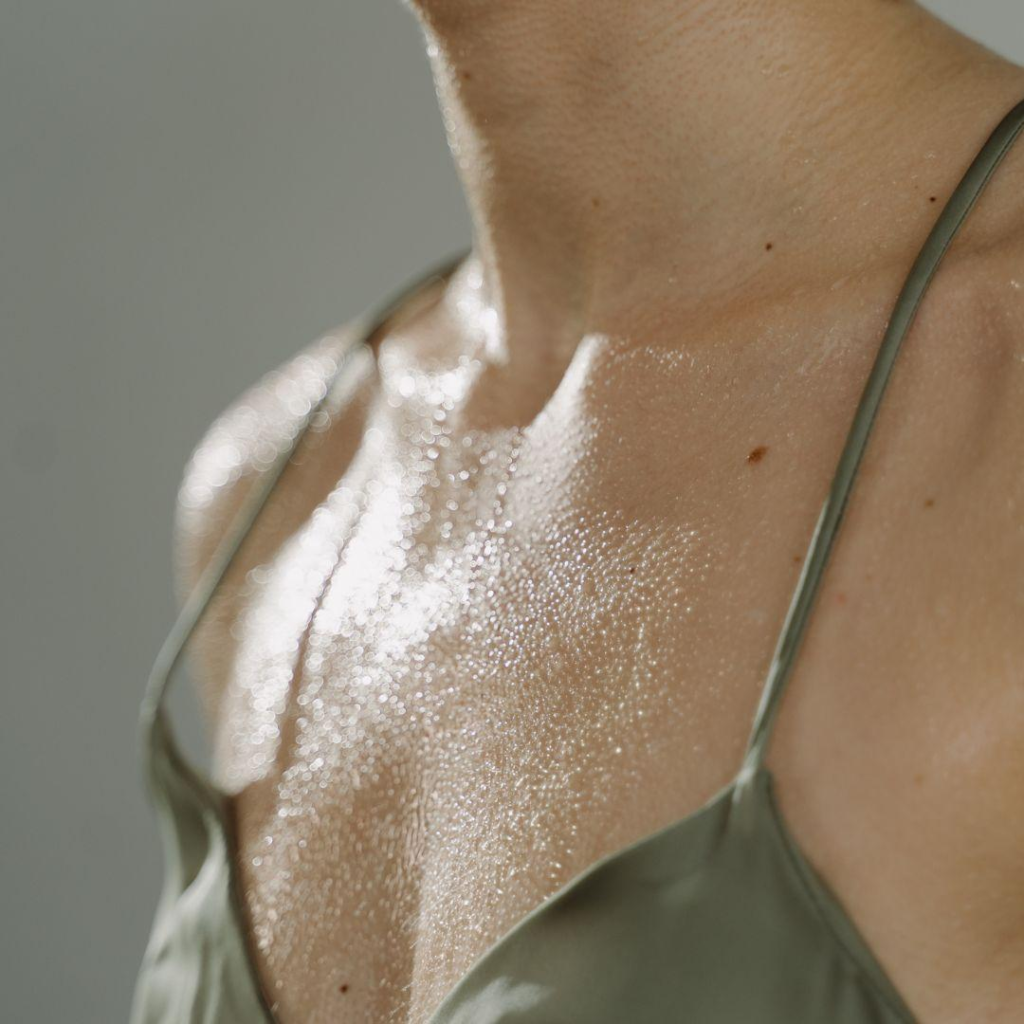
Do you like sweating? I do, especially when I’m paying extra attention to my nutrition to enhance my detoxing process. Did you know that sweating is one of the most overlooked methods of detox? Sweating is also essential for the elimination phase, which is the last phase of liver detoxification.
I know I know…As much as sweating itself is great for our health, the process of getting our body to sweat can often be a hassle. The gym is too far, it’s snowing outside, and doing a hundred jumping jacks at home just doesn’t sound very comfortable or appealing…Is there any way to get the benefits of sweating WITHOUT moving around a lot?
Usually I would say, no, you have to work hard to get benefits from anything! But not this time! Behold…SAUNA. Sauna is used in many countries such as Japan and Korea as a part of their culture and health routine. Imagine getting into the sauna on a snowy day to warm yourself up! There are many benefits of dry sauna therapy for the cardiovascular and pulmonary systems. I was particularly happy to see research on how dry saunas are used in the clinical environment for heart disease.
Sweating has been shown to enhance the elimination of toxins from your body. One of the best ways to get the benefits of sweating is by using a far infrared sauna. Unlike traditional saunas that heat the air, far infrared saunas use infrared light to heat your body directly, causing you to sweat more and expel toxins. Studies have shown that regular use of far infrared saunas can increase levels of heavy metals, such as lead and mercury, in your sweat, indicating that it can be an effective method of detoxification. Sweating from sauna therapy can help detoxify and has several other benefits, such as improving your immune system, and relieving pain.
However, it’s important to take precautions when using a far infrared or dry sauna.
Make sure to drink plenty of water before and after your sauna session to prevent dehydration, limit your sessions to 10 minutes each time (you can go in and out multiple times based on your health conditions and endurance), and avoid using a far infrared sauna for more than 60 minutes at a time.
If you have any medical conditions, such as hypertension or diabetes, it’s best to consult with your doctor before using a far infrared sauna. Pregnant women should also avoid using a far infrared sauna as it can raise their core body temperature and potentially harm their developing baby.
As a wise philosopher once said, don’t cook your baby…
There are many ways of promoting sweating. You can do hot yoga, do cardio and elevate your heart rate to max 60 to 70% of your max heart rate, or use dry or far infrared sauna.
I have seen many commercial products or gyms that have sauna facilities on site.
If you ever come across a dry sauna and never used it, give it a try!
Detoxing Your Mind and More
I stepped into the world of functional medicine about three years ago, and I was immediately drawn to it. I had so many misunderstandings about this practice of medicine. I thought it was just about a different practice of medicine that prescribes supplements instead of medications. Man, was I wrong!
A simple way to optimize health and function is through the self-healing power of the body and environment. That’s why I want to bring another perspective on detox and why I think it’s so important to incorporate that into your daily life, and as we’ve talked about in the last few weeks, ESPECIALLY during Spring!
First, detox is NOT about what supplements to take, or taking tests to find out what toxins you have in your body.
In modern medicine, we heavily rely on diagnosis to tell us what is wrong with us. But what I learned in Functional Medicine is that diagnosis is the beginning of exploration, not the end. It’s the beginning of asking a series of questions in order to find the root cause.
Now I want to invite you to ask yourself this question: why do you need to detox?
Being healthy is not the lack of disease. It’s a way of life where we can constantly honor our body so it can optimize its functioning.
Both my teachers in TCM and FM say the same thing. Being healthy is to carry on your life with balance. You might be a cancer patient or an autoimmune patient. But you can be the healthiest cancer or autoimmune patient on earth.
So what’s that got to do with detox?
Detox is not just about facilitating the three phases of detoxification in your liver and getting rid of toxins, it’s also detoxing the thoughts or feelings.
After I published my last newsletter about spring detox, I had many questions sent to me asking about what supplements I suggest if they want to do spring detox.
However, I think the first step should be to detox the mind first.
Why is it important to detox the mind?
Our mind is full of thoughts, emotions, and more. Don’t forget the massive amounts of biochemicals we produce to keep us functioning through sleep, cognition, learning, and memory. But even more so in modern days, we multiply the burdening of this highly functioning organ.
In today’s society, we idolize highly achieving/non-stop hustling individuals, and we dampen the importance of taking pauses, emptying our minds, and allowing our soul to be nourished. If you look at our brain activities, we constantly live in a beta wave world with fast pace and big amplitude in brain activities. This often overwhelmed our nervous system and our body.
While I will share my own practice in spring detox, we want to encourage you to do mind detox first. Because detoxing is about freeing up space in the body, unloading the toxins, and facilitating the functioning of detoxification.
Freeing up our minds is a form of transformation.
How do we do a mind detox?
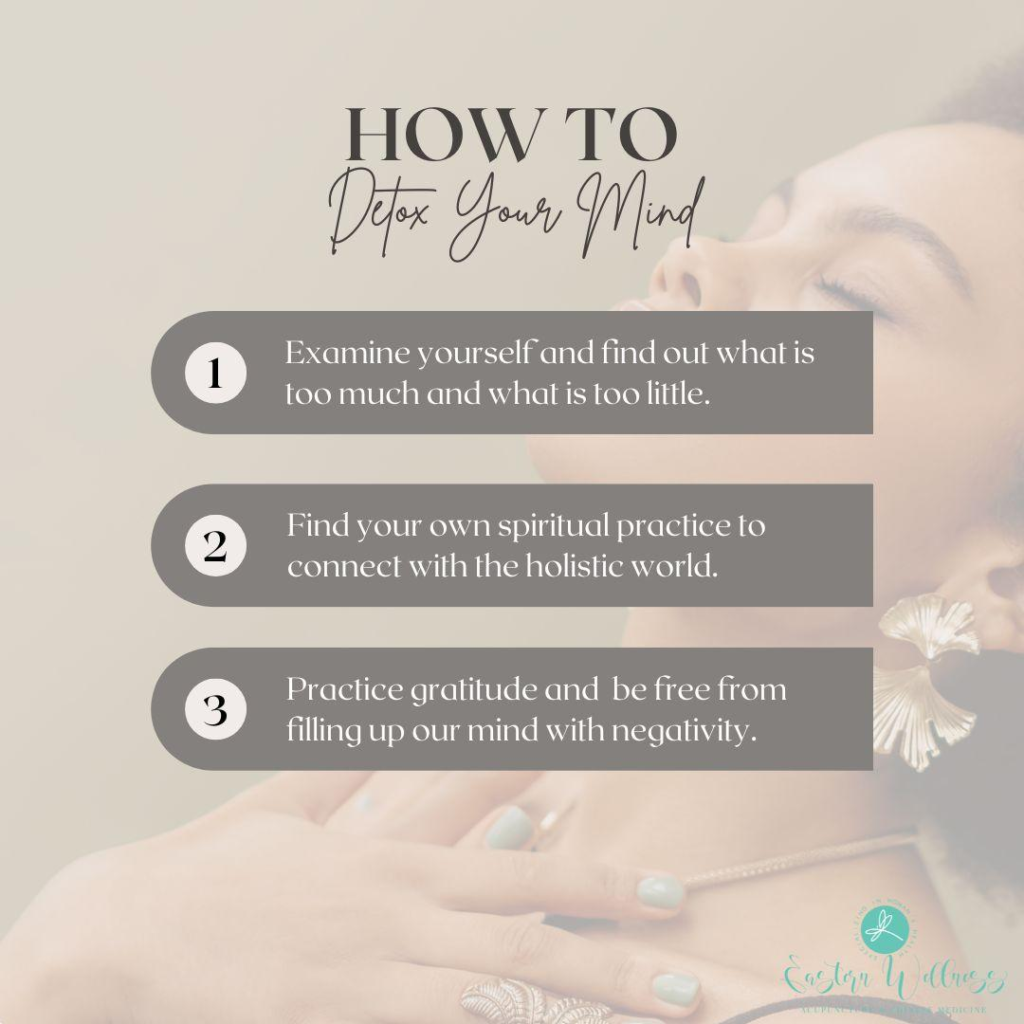
First of all, examine yourself and find out what is too much and what is too little. It’s the same principle in doing physical detox.
A person who always sacrifices sleep for work, needs to prioritize resting. A person who always allows stress to dominate their life needs to reflect on how to minimize it.
To build a connection with your authentic self requires awareness and mindfulness.
Second of all, find your own spiritual practice.
A spiritual practice is not about religion. It’s about building the connection between you and the holistic world. I have practiced yoga for many years but I have always seen yoga as a form of exercise. While it’s a good way to exercise your body, it’s a great way to connect with the spiritual world.
Recently I incorporated meditation into my yoga practice.
I am sure you have read the benefits of meditation in altering the brain waves from beta waves into alpha, theta, and delta waves. I think the alpha wave is a blessing from a higher being. I see it as a form of brain detox. When you reach the alpha wave through meditation, you are free from any toxic thoughts or stress.
If you haven’t, give it a try.
I don’t have a particular meditation form. But I do enjoy breathing and meditation. An easy way to start is to sit comfortably any way you like and keep your eyes closed.
Count in four breaths when breathing in, and when breathing out, count four breaths.
Start with 5 minutes of practice every day. You might not see anything right away, but just like every good thing in the world. Persistence builds good results.
Third of all, practice gratitude. I truly believe that feeling grateful also free us from filling up our mind with negativity. It’s not easy to feel grateful when things don’t go the way we want them to. But practicing gratitude can help us from further damage and indeed can transform us.
And I am grateful for this opportunity to share with you.
In good health.
Our goal in offering a Spring Detox Program is to help our patients achieve their optimal health and well-being. By providing the tools and support necessary to detoxify and reduce the toxic burden on their systems, we hope to see our patients experience improved energy, better digestion, and a renewed sense of vitality. Detoxification can be a transformative experience, and we’re here to help guide and support our patients every step of the way.
Unlocking The Power of Antioxidant
Unlocking the power of antioxidants and how to use it in your detox plan!
Now that we see the importance of detox and making a plan for it in Spring, what else do we need to know?
One crucial element in supporting the body’s natural detoxification process is the consumption of antioxidants.
Antioxidants are compounds that help neutralize harmful free radicals in the body. Free radicals are unstable molecules that can cause damage to cells and tissues, leading to oxidative stress and inflammation. Antioxidants help neutralize these free radicals by donating an electron to the unstable molecule, stabilizing it, and preventing further damage.
Antioxidants play a critical role in supporting the body’s natural detoxification process by protecting cells and tissues from oxidative damage, reducing inflammation, and supporting cellular repair. They also help to support the organs of elimination, such as the liver, kidneys, and colon, which work together to break down and eliminate harmful substances from the body.
A lack of antioxidants in the body can lead to an accumulation of toxins in the body, hindering the body’s natural detoxification process. This can lead to impaired cellular function, damage to DNA, and an increased risk of chronic disease.
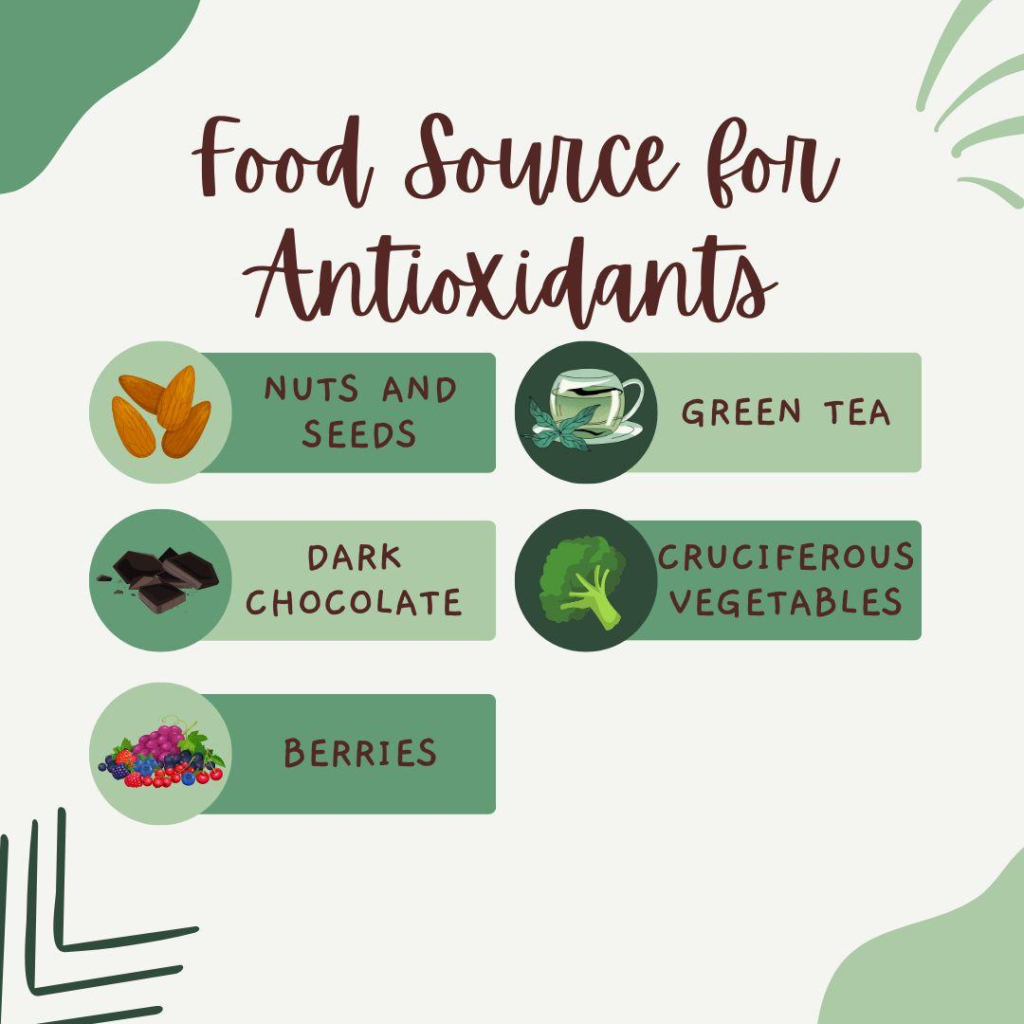
I talked about therapeutic food and its chemical compound in detox, now I want to expand more on the science behind it. Here are some good food source for antioxidants:
Green tea: Green tea contains a group of antioxidants called catechins, which are powerful compounds that have been linked to various health benefits. The most abundant and well-studied catechin in green tea is epigallocatechin gallate (EGCG), which has been shown to have potent antioxidant, anti-inflammatory, and anticancer properties. Other catechins found in green tea include epicatechin, epicatechin gallate, and catechin gallate. In addition to catechins, green tea also contains other antioxidants such as theaflavins, thearubigins, and flavonols. These compounds work together to help protect the body against oxidative stress. Because of its antioxidant properties, it was also studied for anticancer properties.
Dark chocolate: Dark chocolate is enriched with a variety of antioxidants, with one of the most notable being flavanols. Flavanols are a type of flavonoid that is found in many plant-based foods, and they are known for their antioxidant and anti-inflammatory properties. In particular, dark chocolate is a rich source of a specific type of flavanol called epicatechin, which has been linked to various health benefits, including improved cardiovascular function, enhanced cognitive function, and reduced inflammation. The darker the chocolate, the higher the flavanol content, so it’s best to choose chocolate that contains at least 70% cocoa solids to get the most antioxidant benefits. Besides, it tastes great!
Berries: Berries are a rich source of various types of antioxidants, including flavonoids, anthocyanins, and vitamin C. Flavonoids are a type of polyphenol compound that have potent antioxidant and anti-inflammatory properties. Anthocyanins are a specific type of flavonoid that are responsible for the deep red, blue, and purple colors of many berries. They have been shown to have powerful antioxidant and anti-inflammatory effects, and have been linked to various health benefits, including improved cardiovascular health and cognitive function. Vitamin C is a water-soluble antioxidant that helps to protect cells against oxidative damage, and also plays a crucial role in collagen synthesis, immune function, and wound healing. Some of the most antioxidant-rich berries include blueberries, strawberries, raspberries, blackberries, and cranberries.
Cruciferous vegetables: Cruciferous vegetables contain various types of antioxidants, including carotenoids, flavonoids, and vitamins C, E, and K. They also contain unique sulfur-containing compounds called glucosinolates, which can be broken down into bioactive compounds like isothiocyanates and indoles that have potent antioxidant and anti-inflammatory properties. Some examples of cruciferous vegetables include broccoli, cauliflower, Brussels sprouts, kale, and cabbage
Nuts and seeds: Nuts are a rich source of various types of antioxidants, including vitamin E, flavonoids, polyphenols. Vitamin E is a fat-soluble antioxidant that helps to protect cell membranes from oxidative damage. Nuts like almonds, hazelnuts, and peanuts are particularly high in vitamin E. Flavonoids and polyphenols are types of plant-based compounds that have potent antioxidant and anti-inflammatory properties. Some nuts that are particularly high in flavonoids and polyphenols include walnuts, pecans, and pistachios. In addition to these antioxidants, nuts are also a good source of other important nutrients like fiber, protein, and healthy fats, making them a great addition to a healthy diet.Nuts and seeds are often rich in omega 3 . Although it is not an antioxidant however , it plays a role in anti-inflammation and is a protective agent for the liver during oxidative stress.Don’t forget the role of omega 3 in protect cellular membrane by keeping the cellular fluidity which helps to bring the resilience of cell in oxidative stress.
In addition to incorporating these foods into your diet, it’s essential to avoid processed and inflammatory foods that can hinder detoxification. This includes foods high in sugar, unhealthy fats, and artificial additives.
How to build a smoothie with antioxidants enrichment to help with detoxification?
Since most of the antioxidants rich food are in plant form. It’s not a bad idea to incorporate them into your smoothies to maximize the consumption of antioxidants.
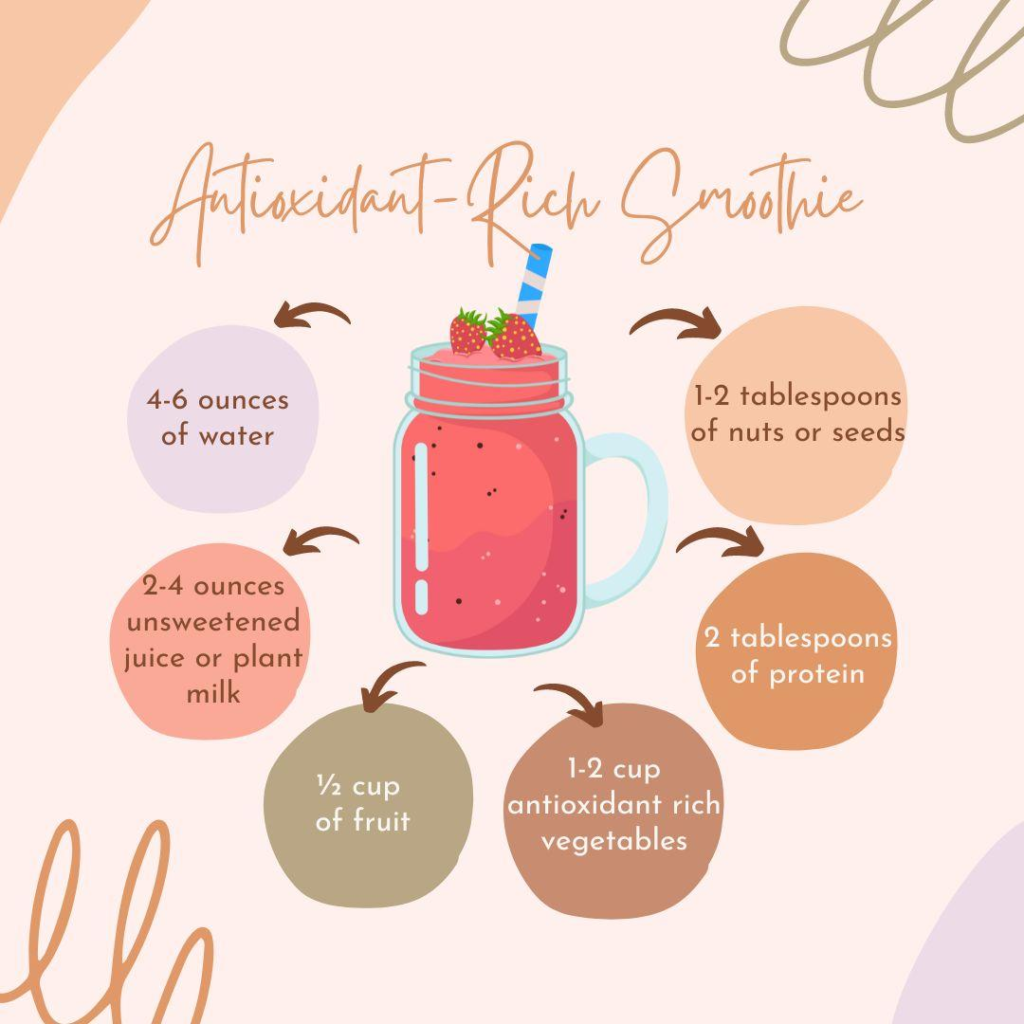
Antioxidant-Rich Smoothie Recipe:
4-6 ounces of water: adequate water is important in the detoxification process. You can use herbal tea, green, or black tea in place of water.
2-4 ounces of unsweetened juice or plant milk (optional): I only add juice or milk to enhance the flavor. If you like, make sure to choose unsweetened juice or plant milk.
½ cup of fruit: Fruit can be fresh or frozen. The better choice of fruit would be low in glycemic index and glycemic load such as blueberries, raspberries or apples.
1-2 cup antioxidant rich vegetables: Add 1-2 cups of leafy greens or other fresh or frozen vegetables to the blend. You can use it raw or cooked. My choice of vegetables will be dark leafy greens, preferably in the cruciferous family.
2 tablespoons of protein: adding protein into the smoothie blend can help to control the fluctuations of blood sugar.
1-2 tablespoons of nuts or seeds: more antioxidant and essential fatty acid!
¼ cup of ice (optional): just because!
I think an antioxidant-rich smoothie is also a good way to add in during spring detox.
Now go make your own and enjoy!
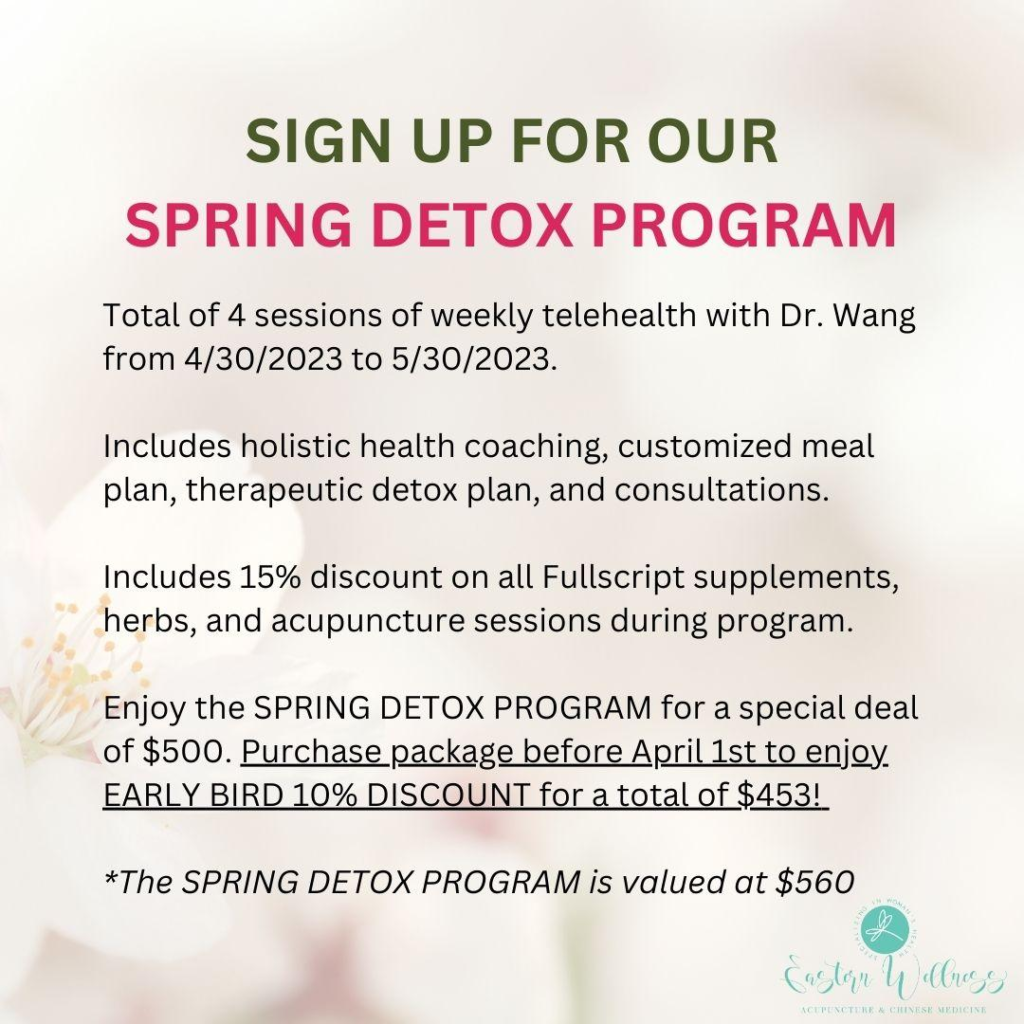
SPRING DETOX PROGRAM SPECIAL!
Our goal in offering a Spring Detox Program is to help our patients achieve their optimal health and well-being. By providing the tools and support necessary to detoxify and reduce the toxic burden on their systems, we hope to see our patients experience improved energy, better digestion, and a renewed sense of vitality. Detoxification can be a transformative experience, and we’re here to help guide and support our patients every step of the way.
Spring: The Best Season to Detox!
Spring is the BEST season to DETOX!
Welcome to our spring detox newsletter! If you’re familiar with functional medicine and TCM, you know how important detoxification is for optimizing our body’s function and reducing its burden. In this newsletter, we’ll share with you the benefits of detoxification, why springtime is a great time for a detox, and how to detox with everyday foods.
A spring detox plan can be especially beneficial for those who have been indulging in fatty, rich foods or have been leading a sedentary lifestyle during the winter months, leading to toxic overload and inflammation. Additionally, anyone who has experienced periods of stress, illness, exposure to environmental toxins, or feelings of fatigue, low energy, and gut dysfunction can benefit from a detox.
Detoxification is a three-phase process that occurs in our body: phase 1 bioactivation, phase 2 conjugation, and phase 3 transportation/excretion. Each phase is critical and requires nutrients, particularly phytonutrients, to function effectively.
Toxic overload in our body can hinder normal function and cause cellular damage, leading to oxidative stress and cellular death. While any time is a good time to detox, spring is especially beneficial.
In traditional Chinese medicine (TCM), spring is the season of the liver, with liver Qi representing the rising energy of the element, wood. During spring, liver Qi thrives most, and can overact on the spleen Qi, which reflects the element of earth. A balanced interaction between liver and spleen Qi is essential for efficient detoxification and a healthy digestive system.
Toxins accumulate through food, environment, and stress, and directly affect the digestive organs that process and transform nutrients and toxins. Detoxification is especially important during periods of stress, illness, or exposure to environmental toxins. Supporting detoxification enhances the health of the gut, which links closely to immune, neurological, and hormonal health.
A spring detox plan can be especially beneficial for those who have been indulging in fatty, rich foods or have been leading a sedentary lifestyle during the winter months, leading to toxic overload and inflammation. Additionally, anyone who has experienced periods of stress, illness, exposure to environmental toxins, or feelings of fatigue, low energy, and gut dysfunction can benefit from a detox.
Detoxification is a three-phase process that occurs in our body: phase 1 bioactivation, phase 2 conjugation, and phase 3 transportation/excretion. Each phase is critical and requires nutrients, particularly phytonutrients, to function effectively.
Toxic overload in our body can hinder normal function and cause cellular damage, leading to oxidative stress and cellular death. While any time is a good time to detox, spring is especially beneficial.
In traditional Chinese medicine (TCM), spring is the season of the liver, with liver Qi representing the rising energy of the element, wood. During spring, liver Qi thrives most, and can overact on the spleen Qi, which reflects the element of earth. A balanced interaction between liver and spleen Qi is essential for efficient detoxification and a healthy digestive system.
Toxins accumulate through food, environment, and stress, and directly affect the digestive organs that process and transform nutrients and toxins. Detoxification is especially important during periods of stress, illness, or exposure to environmental toxins. Supporting detoxification enhances the health of the gut, which links closely to immune, neurological, and hormonal health.
The first step in the functional medicine protocol for detoxification is always removal. We recommend removing food high in sugar, salt, processed foods high in omega-6, nitrates, preservatives, hormone-disruptive chemicals, food additives or flavors, and allergens.
The second step is to incorporate therapeutic foods into the diet. Polyphenols such as quercetin and EGCG from green tea, resveratrol from red wine, and curcumin from turmeric are plant-based compounds that have antioxidant and anti-inflammatory properties, making them useful in supporting detoxification. Additionally, sulfur-rich foods such as garlic, onions, and cruciferous vegetables like broccoli and cauliflower can help support phase 2 conjugation in the liver.
The third step is promoting excretion. This step is just as important as the bioactivation and conjugation stages of detoxification. Once toxins transform into a hydrolyzed form ready for excretion, we can get rid of them through sweat, urination, lymphatic drainage, and bowel movements. Foods high in fiber, such as fruits, vegetables, nuts, and seeds, also support the detoxification process by promoting bowel regularity and preventing constipation. Promoting sweat through exercise, infrared saunas, massage, and shortening colon transit time are also good ways to support detoxification.
In clinical practice, we support patients in detox through a detox food plan, coaching through physical and mental changes and challenges throughout detox, and support with supplements and acupuncture. Although we sometimes recommend supplements to aid in detoxification, we promote the use of therapeutic foods and lifestyle changes for a profound change instead of supplements. Supplements should only be used when what we can do on our own is optimized.
Acupuncture can be especially beneficial for detoxification as it reduces inflammation, promotes neuromodulation, and supports gut function.
Acupuncture needles stimulate specific points on the body, promoting the release of endorphins and other neurotransmitters, which can help reduce inflammation and stress response. By promoting neuromodulation, acupuncture can help regulate the autonomic nervous system, which can positively affect the gut function and promote healthy digestion. With the right support, including acupuncture, therapeutic foods, and lifestyle coaching, you can experience profound change and improve your overall health and well-being.
In summary, spring detoxification is a great way to jumpstart your journey toward optimal function and reduce the toxic burden on your system. By incorporating therapeutic foods, promoting excretion, and supporting detoxification with acupuncture and lifestyle changes, you can improve your overall health and well-being. We encourage our patients to stay engaged and connected with us throughout their detox journey, so we can provide ongoing guidance, monitoring, and holistic support to help manage any detox-related symptoms that may arise.
SPRING DETOX PROGRAM SPECIAL!
In light of this, we are excited to invite you to our new Spring Detox Program in the coming month, where Dr. Wang guides you on a one on one, step by step 4 week journey for your comprehensive, full body detoxification!
Our goal in offering a Spring Detox Program is to help our patients achieve their optimal health and well-being. By providing the tools and support necessary to detoxify and reduce the toxic burden on their systems, we hope to see our patients experience improved energy, better digestion, and a renewed sense of vitality. Detoxification can be a transformative experience, and we’re here to help guide and support our patients every step of the way.
Chronic Acid Reflux FAQ
Most Commonly Asked Questions about GERD
Welcome to our GERD FAQ newsletter, where we answer some of the most common questions about GERD and explore natural ways to alleviate symptoms.
Can GERD be cured naturally?
Yes, both TCM and functional medicine have great ways to support GERD. GERD can be seen as a dysfunction in the gastric passage in which stomach acid is not mechanically kept in place, causing backflow. In TCM perspective, it can be caused by excessive fire, or spleen and stomach Qi deficiency. TCM treat GERD by correcting the imbalance of the Qi flow and restoring the digestive function.
Functional medicine looks at the integrity of the gut barrier and the relationship between the gut and brain. Functional medicine treats GERD by strengthening the gut barrier and gut function by emphasizing the importance of therapeutic food and nutrients. We also look at the Gut-brain connection and address inflammation that might disrupt the gut-brain axis by stress management and health coaching.
Is there a connection between GERD, stress, and anxiety?
Yes, stress is a known trigger for GERD symptoms, and there is also a strong connection between GERD and anxiety. Stress and anxiety can cause physical symptoms, including acid reflux, which can trigger or exacerbate GERD symptoms. Additionally, the discomfort caused by GERD can further trigger stress and anxiety, creating a cycle that can be challenging to break. Management techniques such as meditation, deep breathing, and yoga, can help alleviate GERD symptoms.
Can GERD cause other physical ailments?
Yes, GERD is known to cause dental problems, bad breath, and throat problems. The acid from the stomach can erode tooth enamel, cause inflammation in the gums, irritate the throat, and if left untreated, GERD can also cause damage to the esophagus.
Can GERD be caused by certain medications?
Yes, certain medications, such as NSAIDs, aspirin, and some blood pressure medications, can cause or exacerbate GERD symptoms. If you are taking medication and experiencing GERD symptoms, it’s important to speak with your healthcare provider about potential alternatives.
Can GERD be a symptom of a more serious condition?
Yes, GERD can be a symptom of a more serious condition, such as Barrett’s esophagus or esophageal cancer. If you are experiencing persistent GERD symptoms, it’s important to speak with your healthcare provider to rule out any underlying conditions.
In conclusion, managing GERD requires a multifaceted approach, including lifestyle changes, natural remedies, and potentially seeking TCM or functional medicine options. If you’re experiencing persistent GERD symptoms, it’s essential to speak with your healthcare provider to rule out any underlying conditions and develop a personalized treatment plan. Remember, taking steps to manage GERD can help improve your overall quality of life and prevent potential complications.
If you’re struggling with GERD and have not found relief through conventional treatments, I take a holistic approach to your care, focusing on your overall health and wellbeing. By creating a customized treatment plan that addresses your unique needs, we can help you find relief from symptoms while promoting long-term healing.
Acid Reflux in Functional Medicine
How does Functional Medicine address GERD?
Traditional Chinese Medicine has its own unique perspective and treatments for Gastroesophageal reflux disease (GERD), or more commonly called chronic acid reflux, but how about the more conventional-western-friendly approach through the lens of functional medicine? Something that is just as holistic, but more people can comprehend without having to juggle understanding the needles, herbs, and all the confusing terms like Qi stagnation? (Yes, we know it’s very mind boggling. Stagna…what now?)
So this week, we explore GERD treatments through the lens of functional medicine!
Like we’ve mentioned in our newsletter last week, GERD is an annoying gastric dysfunction that negatively impacts the quality of life. In addition, increased stress has also been associated with GERD symptoms, and clinical studies have identified a relationship between GERD and anxiety as well as depression.
In conventional medicine, the most widely used GERD treatments are stomach acid reducers, which include both H2 blockers and proton pump inhibitors (PPIs). These medications are frequently prescribed to patients with chronic reflux, but their long-term use has been linked to adverse health problems such as bone fractures, chronic kidney disease, and pneumonia, among others.
For example, PPI reduces stomach acid production, but that can also lead to the insufficient breakdown of food, which then leads to fermentation in the small intestine that feeds bacteria, resulting in the condition of SIBO (small intestinal bacterial overgrowth.) Long term use of H2 blocker can also lead to decreased absorption of certain nutrients such as Vitamin b12 and calcium. One of the long-term side effects can include osteoporosis and possible neurological dysfunction. Neither is a good option to address GERD in the long run.
When it comes to targeting the root causes and getting personalized medicine, functional medicine is a good way to address the underlying cause of GERD. In functional medicine, the treatment focuses on restoring a healthy gastric function, protecting the gut microbiome, and reducing inflammation.
Comprehensive testing: A variety of laboratory tests can help identify imbalances in the digestive system, such as bacterial overgrowth or inflammation. Further testing for food sensitivities and other environmental triggers that may help find causes that are contributing to GERD symptoms. One of the tests I use frequently is a complete stool analysis, which looks at the comprehensive profile of the GI microbiome and nutritional status of the body.
Dietary changes: Eliminating trigger foods that contribute to inflammation and promote healthy digestion.
Nutritional supplements: Digestive enzymes, probiotics, and other targeted supplements are great to rebuild gut health. Antioxidant is also a good way to address the chronic low grade inflammation in the gastrointestinal tract that leads to the imbalanced production of stomach acid and insufficient emptying of gastric content.
Lifestyle modifications: Stress reduction techniques, exercise, and sleep hygiene are all essential to our body’s healing process. To use lifestyle modifications as part of the treatment, we are not just helping to reduce the symptoms of GERD, we are training a new pattern that helps to optimize the gut function.
Mind-body interventions: Mind-body interventions such as meditation, deep breathing, and yoga helps reduce stress and anxiety, which can contribute to GERD symptoms.
Overall, the goal of functional medicine treatment for GERD is to identify and address the root cause of the problem and promote long-term healing. By taking a personalized and comprehensive approach to GERD treatment, functional medicine offers a more complete approach to healing that can help reduce the need for medication and improve overall health and wellbeing.
If you’re struggling with GERD and have not found relief through conventional treatments, I take a holistic approach to your care, focusing on your overall health and wellbeing. By creating a customized treatment plan that addresses your unique needs, we can help you find relief from symptoms while promoting long-term healing.
Acid Reflux: The TCM Perspective
Gastroesophageal Reflux Disease (GERD)
Have you ever experienced heartburn, a sour taste in your mouth, or a backflow of the acid that hurts your stomach and wakes you up at night? These are acid reflux. Acid reflux is a normal physiologic process, and if your symptom is short term, there may not be a need for concern.
Gastroesophageal reflux disease (GERD) is characterized by a backward flow of stomach acid into the esophagus, causing symptoms such as heartburn, chest pain, and difficulty swallowing. However, with the modern lifestyle, we are seeing more and more severe clinical cases of acid reflux.
According to research, GERD is estimated to affect around 18-27 % of US population.
It’s concerning because it indicates that the dysfunction of the gastrointestinal tract affects roughly a quarter of the US population. I have always stated that GI function is the foundation of health. It is true that conventional medicine offers effective treatment for GERD.
However, the challenge lies in finding and treating GERD from the root cause. While conventional approaches can reduce the symptoms, it’s more important to look at the underlying cause and really restore the function.
There are certain risk factors associated with GERD:
Obesity
Older age
Tobacco use
Stress
Low socioeconomic status
How TCM views GERD
In TCM, the backflow of stomach Qi causes the backflow of gastric content. The normal flow of stomach Qi should go downward, not upward.
What caused the backflow of stomach Qi? So the first cause of Qi flowing upward or unwanted direction is because of stagnation or blockage in the meridian or in the Zhang Fu organ.
The stomach and Spleen are affected by the flow of liver Qi. When there is liver Qi stagnation, the spleen, and stomach Qi cannot sufficiently function to transform and transport the nutrient (nutritive Qi) and distribute it effectively to the body. Moreover, when liver Qi is severely stagnant, the Qi stagnation can lead to liver heat stagnation, further scorching the meridian and Zhang Fu organ and causing more heat toxin stagnation along the pathway. Liver Qi stagnation is usually associated with stress and a lack of balanced emotion.
Spleen and stomach Qi deficiency can also cause GERD. Spleen and stomach Qi are responsible for transporting and transforming the nutrient. When Qi is deficient or weak, then the function is depleted. Deficiency in the spleen and stomach is usually caused by chronic illness that further depletes the normal physiologic function, imbalanced diet, or exertion.
Phlegm stagnation also leads to GERD. In TCM, phlegm is the waste product of nutrients that the body can’t use and can cause stagnation in the meridians and Zhang Fu organ. Phlegm obstruction can lead to the obstructive flow of Qi, cause backflow, and lead to Qi stagnation and Qi deficiency. This can be seen in obesity and long-term poor eating habits.
The uniqueness of TCM is to differentiate pathological change into different patterns. You can have the same diagnosis of GERD from your doctor, but the pattern can vary significantly different. That’s why TCM treatment is individualized and highly customized.
Treatments for GERD
Treatment of GERD with herbal formulas:
The focus of TCM herbal treatment is to correct the stagnation, clear the heat toxin and phlegm, and restore the function and flow of Qi. TCM herbal formulas are highly customized for individuals. But I am very happy to see research on TCM formula used in clinical settings as an alternative treatment for GERD.
There is one clinical research on the safety and efficacy of the herbal formula in treating GERD. In this research, Wendan decoction (WDD) is used to treat GERD and BRD (Bile reflux disease). Both pathological changes are the result of disrupted homeostasis in gastric function that results in gastric acid reflux or exposure. The result of this research demonstrates the consistency of WDD in treating GERD and BRD with more than 40% efficacy and a low relapse rate of 12.4% compared to more than 40% relapse rate in conventional treatment.
Treatment of GERD with acupuncture:
The mechanism of acupuncture can be demonstrated as neuromodulation, adjustment of gastrointestinal motility and visceral hypersensitivity, anti-inflammation, repairment of gut microbiota, and intestinal barrier.
This research shows that acupuncture treatment significantly reduces symptoms score in GERD. It also shows that acupuncture can reduce inflammation under the gastroscope for gastroesophageal reflux disease.
In addition, conventional treatment for GERD may not address the root cause of the problem, which can lead to recurring symptoms and a need for ongoing medication. In contrast, TCM offers a natural and personalized approach to GERD treatment that can help address the root cause of the problem and promote long-term healing.
If you’re struggling with GERD and have not found relief through conventional treatments, traditional Chinese medicine may offer a natural and personalized approach to healing. As a qualified TCM practitioner, I take a holistic approach to your care, focusing on your overall health and wellbeing. By creating a customized treatment plan that addresses your unique needs, we can help you find relief from symptoms while promoting long-term healing.
Raynaud’s Phenomenon
Why are my fingers a different color?
Cold hands and feet are very common, especially during wintertime. This clinical phenomenon can be a nuisance and interfere with the quality of daily life. Sometimes cold hands and feet can also accompany other symptoms like a change of colors or pain in the fingers or toes. These particular clinical symptoms are related to a clinical term called Raynaud’s phenomenon.
Raynaud’s phenomenon is caused by an exaggerated vascular response to cold or sometimes emotional stress. These responses usually lead to a sudden constriction of the vessel, a spasm in the smooth muscle of the vessel wall, and the blood flow is reduced to a great extent, therefore, causing abnormal thermoregulation and pain locally.
There are two types of Raynaud’s phenomenon, primary and secondary:
Primary RP: This condition is more prevalent than secondary, but usually, the patient has no underlying medical condition associated with it.
Secondary PR: We can see the associated medical causes include autoimmune, neurological , hormonal, and tissue injury.
It’s worth noting that RP can be associated with endothelial dysfunction, inflammation, and abnormal platelet activity.
In my clinical practice, I see a lot of patients with RP without good promising treatment options. I want to provide some helpful knowledge for those who suffer from RP with a holistic perspective combining both TCM and functional medicine.
Although in primary RP, we usually don’t find a specific medical cause, we can still address it with nutrition and lifestyle modification. When we talk about epithelial dysfunction, inflammation, and platelet dysfunction, we are talking about dysregulation in the vascular system. This is often caused by underlying chronic low-grade inflammation that might be caused by nutritional deficiency, poor lifestyle, or lack of movement to ensure a healthy blood flow or functional vascular function.
In secondary RP, we definitely need to address the underlying pathophysiology, such as autoimmune, hormonal or neurological origins, to address RP. But if we look closely, these medical conditions are also associated with unaddressed inflammation that lead to dysfunction of the vascular system.
When we talk about functional medicine strategy in treating RP, we can’t overlook the overpicture of inflammation and the repair of multiple systems. Lifestyle is usually my first step in addressing any inflammation or chronic dysfunction. We can’t ignore the importance of how stress leads to overactive sympathetic activity. When the sympathetic nervous system is on overdrive, it dysregulates our blood flow and body’s thermoregulating function.
Of course, after we address our stress and lifestyle, we can also take a look at nutritional imbalance. In functional medicine, nutrition over pharmaceuticals is also the number one choice. The conventional pharmaceutical approach is calcium channel blockers that help with vessel dilation. However this pharmaceutical approach doesn’t address the underlying inflammation. Addressing the nutritional imbalance is a more holistic approach in RP.
We can look at this issue within different systems:
Cardiovascular system: Improving the circulation by increasing movement can be a good solution. We can also focus on improving the elasticity of the vessel and reducing inflammation in the cardiovascular system. Omega-3 and magnesium are the supplements of choice.
Hormonal system: Thyroid health has a great impact on circulation, metabolism and health of the blood vessel. The trace mineral of selenium and iodine can help with the thyroid function.
Nervous system: When the nerves that control blood flow to the extremities are damaged, it can lead to cold hands and feet. This can be due to a variety of factors, including diabetes, alcoholism, and certain medications. In functional medicine, practitioners will address the underlying cause of nerve damage and may suggest supplements that support nerve health, such as alpha-lipoic acid, vitamin B , omega 3, or phosphatidylserine.
Besides addressing RP with stress management, lifestyle modification and nutritional supplement, I always recommend acupuncture as part of the care management. There are several studies on acupuncture’s proven effectiveness for RP. This meta analysis suggests acupuncture can increase remission incidence, decreasing daily number of attacks and increasing incidences of positive cold stimulation tests.
Why Do We Get Cold Hands and Feet?
Are your hands and feet cold? Interestingly, the symptoms don’t just appear in the winter, you can have them all year round. When you go to the doctors, they might check your thyroid function or see if you have anemia. Sometimes the doctors might attribute the cause to poor peripheral circulation if they can’t find anything on the test.
What does TCM see in cold hands and feet? Like conventional medicine, cold hands and feet are symptomatic manifestations, not diseases. But when we treat cold hands and feet, we look at the state of Qi, blood and essence.
Qi, blood and essence are the foundation of TCM. A person’s health is built on healthy dynamics between these three foundational substances. The interplay of the Qi, blood and essence determines the health condition of our body.
Qi is the vital energy that dominates our physical function, movement, and activities. The flow of Qi influences the health condition of the body. Blood is the nutritive substance that nourishes the organ, tissues, and meridians. Essence, known as Jing, is the foundation of Yin and Yang energy and it is responsible for our growth, development and reproduction. Our Essence is inherited from our parents prenatally, and replenished by Qi and blood.
Qi, blood and essence influence one another in a complex way. Qi moves blood and essence and also forms a unique collaboration with them. When Qi connects with blood, it becomes nutritive Qi that is nourishing throughout the body’s system including organs, skin, tendons and meridians. When Qi connects with essence, it forms into Yang Qi or Yin Qi which provides warmness or coolness to balance each other.
Causes of Cold Hands and Feet
In TCM, cold hands and feet are a common symptom that can be caused by a variety of factors. Some possible causes include:
Qi and blood deficiency: When there is not enough Qi or blood circulating through the body, it can result in poor circulation and cold extremities. This can be due to a variety of factors, such as a poor diet, chronic illness, stress or exhaustion.
Yang deficiency: Yang energy is responsible for warming the body and maintaining its metabolic processes. When Yang is deficient, the body may have difficulty regulating its temperature, resulting in cold hands and feet.
External pathogens: Cold is considered to be a pathogenic factor in TCM. When the body is not strengthened with enough defensive Qi and Yang Qi, cold can invade the body and cause a series of problems, which include cold hands and feet.
Blood stasis: Blood stasis occurs when blood becomes stagnant and does not flow properly through the body. When the blood is stagnant, the flow of Qi and essence is also affected, which leads to warmth (aka. Yang Qi) not being able to be distributed throughout the body.
Qi Stagnation: The flow of Qi determines how healthy one can be. However, Qi flow is greatly influenced by emotional imbalance. When a person is under stress or having anxiety, it can deplete the flow of energy and cause the nourishing blood or essence to be stagnant as well.
Treatments for Cold Hands and Feet
In TCM, treatment for cold hands and feet will depend on the underlying cause. Some possible treatments may include:
Acupuncture: Using acupuncture to treat cold hands and feet are common. Because of the effects on the neurological system, it makes a good modality, especially for patients that are undergoing emotional imbalance induced cold limbs.
Herbal remedies: TCM herbs have different characteristics, some of which can promote the Qi, nourish the blood, and replenish essence. Practitioners can address different causes accordingly with herbs. For example, if a person suffers Yang deficiency, which leads to cold hands and feet, then we use warming herbs to promote the Yang Qi. The warming effect doesn’t just limit to hands and feet, it promotes the overall warmth to the whole system. The same herbs and formula can also promote metabolism to generate energy and promote circulation.
Lifestyle changes: Simple lifestyle changes, such as improving diet, getting regular exercise, and reducing stress, can also help to improve circulation and reduce the severity of cold hands and feet.
In conclusion, understanding the dynamics of Qi, blood, and essence is crucial in maintaining overall health and vitality. Cold hands and feet can be a common symptom that may be caused by a variety of factors.
Your Tongue Shows Your Health
Our body gives us a lot of information. As we observe and listen, as we connect strongly with it, health and wellness will follow.
In traditional Chinese medicine, practitioners use the senses to examine, observe and diagnose what is happening with the patient. If you have visited a Chinese medicine practitioner, you would have had your practitioner check your pulse, tongue, and abdomen. He/ she would also check your palm, nails, and eyes.
When I look at my patient’s tongue, it is as if the body is talking to me through the color, shape, and coating. What does it tell me?
The tongue is the reflection of the spleen and stomach Qi in Chinese medicine. When we eat, the nutrient turns into Qi, essence, and blood that conjugate into the tongue’s shape, color, size, and coating.
So looking at your tongue is like asking your body: “hey, how is the movement down there (in your GI)? Did you eat well? Any issue with your work (digestion, transportation, and elimination)?”
Of course, your tongue can’t talk back to me (that would be scary!). But observing silently provides me with a lot of information.
The Shape of the Tongue
First, we look at the tongue shape. The shape of the tongue is the state of nourishment from the spleen and stomach. Because the spleen and stomach transform and transport nutrients and water to the other systems (or Zhang Fu organs as we call them in TCM), the shape of the tongue can tell us if the transformation or transportation is efficient or not.
A thin tongue might mean that the nutrients are exhausted due to illness or overwork. A swollen tongue means that water and nutrients are stagnant, and that means the spleen and stomach Qi are deficient.
Next, we look at the color of the tongue.
An unhealthy tongue might look bruised, dark, or crimson. These signs all indicate the fluid being depleted or stagnant from trauma, heat toxin, or chronic illness. Most of the time, tongue color correlates with the prognosis of the condition. The longer or more internal the condition has been, the darker the color is. For instance, if you caught a cold and have a fever, chills, and joint pain, it usually wouldn’t change the tongue color. But if the cold or upper respiratory infection has progressed and affects more organs, such as turning into bronchitis, the tongue would have more visible changes.
A healthy tongue should look slightly pink, not too red or purple. The color indicates the flow of Qi and blood. The flow of Qi and blood should be like water meandering in the river without any obstruction.
The Coating of the Tongue
Last but not least is the tongue coating. This coating is the manifestation of how well the body is nourished and how efficient the waste was eliminated. The thicker the tongue coating the more stagnant the waste is.
Sometimes we can see thick coating on patients after a big meal the next day. This is because our spleen and stomach couldn’t optimally use the food to nourish the body, instead it turned into a stagnant pile of waste.
Research on Tongue and Health
Tongue diagnosis is gaining its recognition in clinical application and research.
We can see research on tongue diagnosis used in detecting breast cancer. Take cancer for example, in TCM , cancer is a state of stagnant heat-toxin with Zhang Fu and Qi deficiency.
Thus, applying what we know, we can expect to see tongue change in the shape, color and coating. In this research of cancer screening using tongue diagnosis, compared to healthy subjects and cancer patients, they found significant differences in tongue color (healthy people showed more tender and red tongue vs. cancer patients with more purple tongue.)
This valuable finding shows the potential of tongue diagnosis in clinical practice.