Blog

The Three Pillars of Liver in TCM

The Function of the Liver in TCM

When patients inquire about liver Qi stagnation, the explanation is not straightforward. In Traditional Chinese Medicine (TCM), the liver is referred to as a Zhang Fu organ, emphasizing its role beyond mere physical function—it represents a systemic functionality.

What Is the Liver “System”?

In TCM, the liver system oversees digestion, emotion, circulation, and tendons. It’s essentially in charge of transportation and movement, embodying the liver’s role in draining and moving.

Digestion and Movement

The liver significantly influences the digestive tract’s movements, dominating processes like intestinal peristalsis, stomach churning, and elimination. This means that liver Qi impacts various digestive functions. When liver Qi stagnates, we may observe symptoms like constipation, stomachache, acid reflux, gallstones, and even emotional disturbances like anger. This stagnation can manifest physically in conditions such as tumors or, in women’s health, issues like painful menstruation and fertility challenges.

Beyond Movement and Draining

The liver also plays a critical role in storing blood (肝藏血), encompassing a broad concept of nutrients essential for the growth and metabolism of cells, tissues, and organs. Deficiency in liver blood can lead to chronic conditions, manifesting physically as organ dysfunction, exemplified by chronic atopic dermatitis or cirrhosis.

Suppressing Liver Yang

Balance is crucial for all Zhang Fu organs, including the liver, which handles Yang functions—essentially the actions of moving (體陰用陽). An imbalance, particularly a deficiency in nourishing liver blood, may result in hyperactivity, characterized by rapid physical and mental activities but without sustained energy.

Protecting Your Liver in Modern Life

Modern lifestyles pose numerous challenges to liver health, from excessive or insufficient physical activity to emotional imbalances and inadequate rest. These factors can lead to liver Qi stagnation or hyperactivity and affect liver blood replenishment.

How to Support Liver in TCM

To support liver health effectively:

  • Mindful Eating: Nourish the liver with foods that support its functions and help regulate Qi.
  • Balanced Movement: Engage in activities that enhance liver health without overexertion, such as yoga or tai chi, which promote Qi flow.
  • Restful Sleep: Quality sleep is crucial for replenishing liver blood and ensuring the liver can perform its vital functions effectively.

The liver, a powerhouse in TCM, supports our vitality, growth, and emotional health. By understanding and nurturing this vital organ, we can enhance our overall well-being, ensuring a balanced and healthy life.

Fall Skin Care with TCM: Protecting Against Dryness

TCM and Fall Skin Care: Protecting Against Dryness

As the vibrant hues of fall make their appearance, the cooler, crisper air also brings a shift in our skin’s needs. In Traditional Chinese Medicine (TCM), autumn is closely associated with the Metal element, which governs the lungs and the skin. This season, particularly noted for its dryness, can significantly affect skin health, leading to dryness, flakiness, and a lackluster appearance. Read on to learn the best tips for your fall skin care regime. Understanding and adapting TCM principles can help maintain radiant, hydrated skin throughout these drier months.

The TCM Perspective on Skin Health

In TCM, the skin is considered a reflection of the lungs and the large intestine, which are both associated with the Metal element. Healthy lungs and a balanced digestive system directly contribute to vibrant skin. Therefore, autumn skin care routines in TCM focus on nourishing these organs to combat the dry air’s effects.

Hydrating From the Inside Out

Hydration is key in TCM, not just through topical applications but importantly, from within. Here are some TCM practices and dietary adjustments to enhance internal hydration and support skin health:

1. Nourishing Soups and Broths

  • Pear and Honey Soup: Pears are particularly beneficial for moistening the lungs and skin. Cooking pears with honey can enhance this effect, providing a soothing, hydrating boost.
  • Bone Broth: Rich in collagen, bone broth helps to nourish the skin from within, improving its elasticity and moisture content.

2. Herbal Teas

  • Chrysanthemum Tea: Known for its cooling properties, chrysanthemum tea is perfect for soothing dry, irritated skin. It also aids in liver detoxification, which can improve skin health.
  • Goji Berry Tea: Goji berries are rich in antioxidants and vitamins, which help combat dryness and support skin vitality.

TCM Herbs for Skin Hydration

TCM offers several herbs that can be integrated into your skin care routine to combat dryness:

  • Rehmannia: Known for its moisturizing properties, Rehmannia is often used in TCM to treat dry, cracked skin.
  • Schisandra: Besides its numerous health benefits, Schisandra is known for its ability to preserve skin moisture and improve its resilience.
  • Licorice Root: A common ingredient in many TCM formulas, licorice root can help soothe the skin and improve hydration and clarity.

External Hydration Practices

While internal hydration is crucial, external applications also play a significant role in maintaining skin health:

  • Humidifiers: With the dry air of fall, using a humidifier can help maintain moisture levels in your environment, preventing your skin from becoming too dry.
  • Hydrating Masks: Incorporate masks made from natural TCM ingredients like aloe vera, cucumber, and honey into your weekly skin care regimen.
  • Gentle Cleansing: Avoid harsh soaps and cleansers that strip natural oils from your skin. Instead, opt for mild, moisturizing cleansers that support the skin’s natural barrier.

Lifestyle Adjustments for Better Skin Health

  • Protective Clothing: As you bundle up for cooler weather, ensure your clothing is soft and breathable to avoid irritating the skin.
  • Reducing Hot Showers: While it’s tempting to take long, hot showers in cooler weather, these can strip your skin of essential oils. Opt for shorter, lukewarm showers instead.

Embrace Fall Skin Care

Autumn invites us to reflect and adjust our routines, and this includes our skin care practices. By embracing the wisdom of TCM and integrating nourishing foods, hydrating herbs, and mindful hydration practices, you can maintain supple, hydrated skin throughout the fall. Remember, true beauty stems from internal wellness, and by supporting your lung and digestive health, you’re paving the way for radiant skin all season long.

Seasonal Foods for Fall: A TCM Perspective

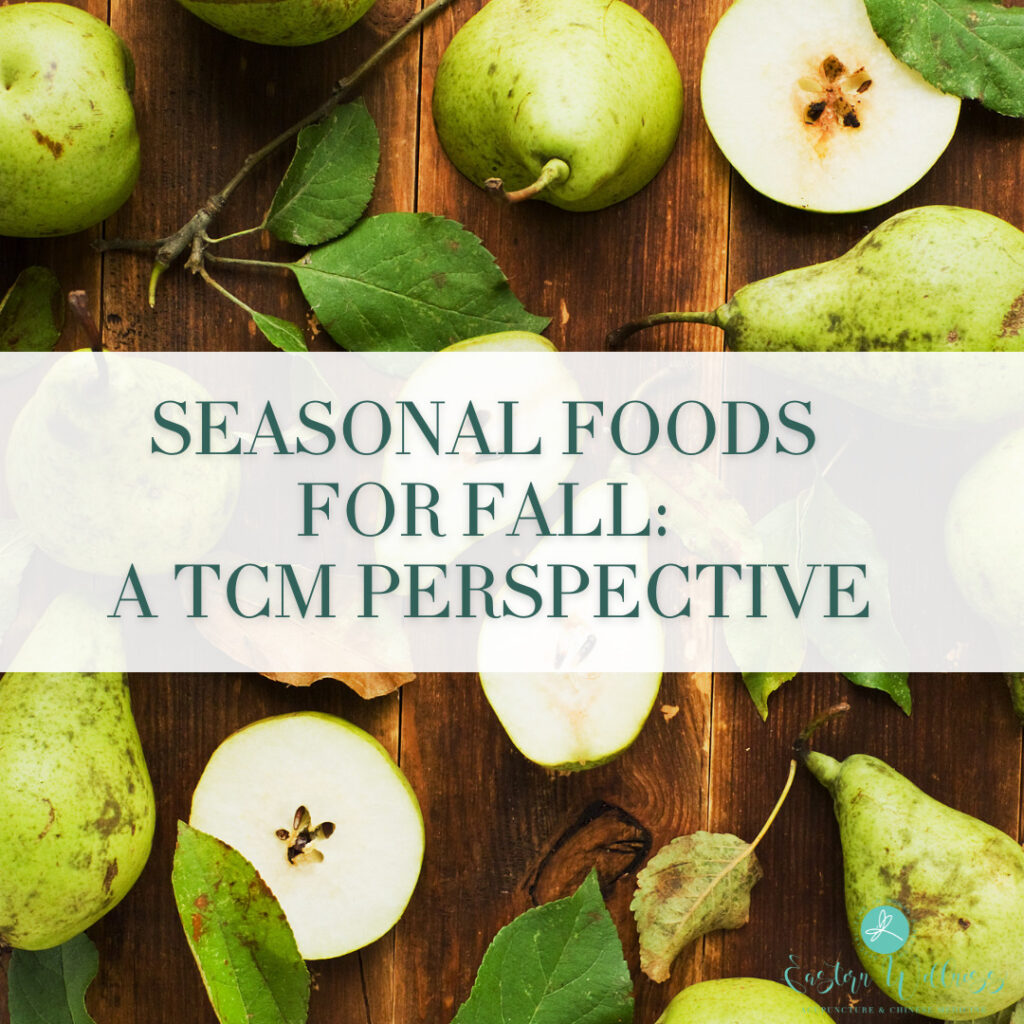
Seasonal Foods for Fall: A TCM Perspective

As the crispness of autumn air envelops us, Traditional Chinese Medicine (TCM) encourages alignment with the season through dietary adjustments. Fall is a time of harvest and transition, and according to TCM, it’s crucial to adapt our eating habits to support the Metal element, which governs the lung and large intestine organs. These organs are especially vital during autumn as they are associated with the body’s immune response and the process of elimination. Eating seasonal foods not only grounds us but ensures that our bodies are nourished appropriately for the changing climate.

Nourishing the Lung and Large Intestine

In TCM, the lungs are responsible for breathing and are considered the first line of defense against external pathogenic factors, such as colds and flu. The large intestine, meanwhile, is integral to elimination and releasing what is no longer needed. Foods that support these organs are crucial during fall to enhance their function and boost overall health.

Optimal Foods for Autumn

1. White and Pungent Foods

  • Pears: Soft, moist, and cooling, pears are particularly soothing for the lungs and throat. They are known to moisten the lungs and throat, helping to relieve dryness.
  • Radish: With its pungent flavor and crisp texture, radishes are excellent for the movement of Qi and clearing mucus.
  • Garlic: Known for its strong yang energy, garlic is a powerhouse in boosting the immune system and warming the body.

2. Root Vegetables

  • Sweet Potatoes: Nourishing and grounding, sweet potatoes strengthen the spleen, which in turn supports the lung and large intestine health. They are high in vitamins and fiber, aiding in digestion and energy production.
  • Ginger: A warming root, ginger supports the lungs, warms the stomach, and expels cold. It’s excellent for boosting circulation and aiding digestion.

3. Fiber-rich Foods

  • Oats: Great for breakfast, oats nourish the spleen and support the large intestine due to their high fiber content, helping with regular bowel movements.
  • Apples: Containing both soluble and insoluble fiber, apples are particularly good for gut health and maintaining bowel regularity.

4. Fermented Foods

  • Sauerkraut: Rich in probiotics, sauerkraut supports the immune system and maintains healthy gut flora, which is essential for a well-functioning large intestine.

5. Nuts and Seeds

  • Almonds: Known in TCM to target the lungs, almonds help replenish fluids and prevent dryness.
  • Flaxseeds: These seeds are rich in omega-3 fatty acids, which are good for lubrication and reducing inflammation in the intestines.

Incorporating These Seasonal Foods

To seamlessly integrate these foods into your diet, consider simple, warming meals that highlight these ingredients. Start the day with a warm bowl of oatmeal sprinkled with flaxseeds, have a pear as a snack, include a side of sauerkraut with your lunch, and enjoy a ginger-infused sweet potato soup for dinner. Remember, the key to seasonal eating in TCM is not only about choosing the right foods but also about preparing them in ways that enhance their energy-giving properties—cooking longer, slower, and using warming spices.

Conclusion

Embracing the dietary wisdom of TCM during autumn can profoundly influence your health. By focusing on foods that support the lung and large intestine, you prepare your body to transition through the season with vitality and balance. Autumn’s bounty is rich with foods that nourish and sustain, providing a natural and delicious way to boost immunity and maintain health as the days grow shorter and cooler.

Mindfulness and Letting Go: TCM Lessons from Autumn Leaves

Mindfulness and Letting Go: TCM Lessons from Autumn Leaves

As autumn unfolds, its signature feature is the cascade of leaves drifting gently to the ground. This natural cycle of shedding and renewal offers profound lessons in letting go, deeply resonant with the principles of Traditional Chinese Medicine (TCM). In TCM, autumn is a time to release old patterns, just as trees let go of their leaves, preparing for a period of quiet and stillness that winter brings. This season encourages us to reflect on what we need to release in order to grow and heal.

The Symbolism of Autumn Leaves in TCM

In TCM, autumn is linked to the Metal element, which governs organization, order, setting limits, and protecting boundaries. We associate it with the lungs and large intestine, organs involved in the processes of taking in and letting go, both physically and emotionally. Just as the lungs control breath and energy, the large intestine oversees the elimination of waste. This mirrors the trees shedding leaves, an elegant metaphor for letting go of what is no longer needed.

Emotional Release and Letting Go

Autumn teaches us that letting go is a natural and necessary process for renewal. In TCM, emotions such as grief and sadness are connected to the Metal element and can impact the function of the lungs and large intestine. Holding onto these emotions can lead to stagnation of Qi (vital energy), manifesting as respiratory problems or constipation. The falling leaves remind us of the beauty in release, and the importance of freeing ourselves from past burdens to nurture our inner health.

Mindfulness Techniques for Emotional Release

  1. Deep Breathing Exercises: Since the lungs are a focal point in autumn, practices that enhance lung capacity and energy are crucial. Deep, mindful breathing not only supports lung health but also helps in releasing sadness and grief. Try breathing deeply into your abdomen, hold for a few seconds, and exhale slowly, imagining letting go of any negative emotions with each breath.
  2. Nature Walks: Engage in regular walks through nature, particularly among trees. Observing the natural cycle of shedding and renewal can be a powerful physical metaphor to support your own process of letting go.
  3. Journaling: Use this season to start a journaling practice. Write about what you wish to release this autumn and what you hope to welcome in the coming season. This can be a therapeutic process, aiding in the clarification and release of old patterns.
  4. Acupuncture and Qi Gong: Both acupuncture and Qi Gong are excellent for balancing the body’s energy and promoting emotional release. Acupuncture can help unblock stagnated Qi, while Qi Gong movements support energy flow and detoxification.

Seasonal Adjustments

  • Diet: Incorporate more pungent flavors into your diet, which are associated with the Metal element and aid in circulation and clearing phlegm. Foods like garlic, ginger, onions, and horseradish can be beneficial.
  • Environment: Declutter your living space. Physical clutter can reflect and contribute to emotional clutter. By clearing your physical environment, you support internal cleansing and preparation for the winter months.

Reflection and Release

This autumn, take a cue from the falling leaves and embrace the practice of letting go. Use this season as an opportunity to release those things that no longer serve you. By doing so, you prepare your body and spirit for a healthier and more introspective winter. In addition, you ensure that when spring arrives, you are ready to bloom afresh, rejuvenated, and clear.

Embrace the lessons of the autumn leaves: let go, simplify, and renew. This is not just a practice but a way of living that aligns with the wisdom of Traditional Chinese Medicine.

Boosting Immunity as Temperatures Drop: TCM Wisdom for Fall

Boosting Immunity as Temperatures Drop: TCM Wisdom for Fall

TCM Wisdom for Boosting Immunity

As the vibrant leaves of autumn begin to twirl gently to the ground, signaling the deepening of fall, our attention naturally turns toward bolstering our defenses against the coming cold. In Traditional Chinese Medicine (TCM), this season is not just a time of transformation in nature, but also a crucial period for enhancing our body’s resilience. The fall is the ideal time to fortify our defensive Qi—the vital energy that shields us from the pernicious influences of illness.

Understanding Defensive Qi

In TCM, Qi is the life force that flows through our bodies, essential for all life processes. Defensive Qi acts as an energetic barrier that protects and warms the body, and it is closely linked to the lungs. Since autumn corresponds to the Metal element and impacts the lungs and respiratory system, it’s a period when our focus should be on strengthening these areas to prevent respiratory illnesses and enhance overall vitality.

Practical TCM Strategies for Enhancing Defensive Qi

1. Nourish the Lungs

Since the lungs are particularly vulnerable during fall, nurturing them can help boost your Defensive Qi. Incorporate foods that are beneficial for lung health such as pears, almonds, and honey. These foods naturally moisten the lungs and help protect against the dry, cool air that can lead to respiratory discomfort.

2. Embrace Warming Foods

TCM advises the consumption of warming foods to counteract the cooling energies of fall. Incorporate root vegetables like ginger, garlic, onions, and sweet potatoes into your diet. These foods not only warm the body but also strengthen the spleen, which in TCM is responsible for transforming food into energy and nutrients that bolster the body’s Qi.

3. Regular Practice of Qi Gong or Tai Chi

Engaging in gentle, flowing movements such as Qi Gong or Tai Chi helps stimulate the flow of Qi throughout the body. These practices are especially beneficial during the cooler months as they help to warm the body internally and maintain the smooth flow of energy, which is crucial for immune health.

4. Herbal Tonics

TCM offers a wealth of herbal remedies that can help to boost the immune system during fall, but of course, for a more tailored herbal formula, seek your TCM doctor!

  • Astragalus (Huang Qi): Known for its immune-boosting properties, Astragalus is perfect for building up protective Qi. It’s commonly used in soups and broths to fortify the body’s defenses.
  • Cordyceps: This fungus is renowned for its ability to increase energy and endurance. It supports lung health and enhances oxygen utilization, making it invaluable during the fall.
  • Ginseng: A powerful tonic that boosts energy levels and aids in immune system regulation.

5. Acupuncture

Consider regular acupuncture sessions to help maintain the balance of Qi. Acupuncture can stimulate specific points that boost the immune system, support lung and spleen health, and help you adapt more easily to seasonal changes.

Lifestyle Considerations

  • Stay Warm: As simple as it sounds, keeping warm is vital. Cold weather can penetrate the defenses, creating opportunities for pathogens to enter. Dress in layers and don’t forget to wear a scarf to protect the neck area, which is particularly vulnerable to cold.
  • Sufficient Rest: The longer nights of fall are a natural invitation to allow more rest into your schedule. Adequate sleep is crucial for the regeneration of Qi and overall health.
  • Stay Hydrated: With the dryness of autumn, ensuring adequate hydration becomes essential. Warm teas like green tea, or those with licorice or cinnamon, can be soothing and healthful.

Autumn, with its introspective energy, calls us to slow down and nurture ourselves. By aligning with the wisdom of TCM during this transitional season, you can enhance your immune system, preparing your body and spirit for the winter ahead. Embrace these practices and enter this beautiful, reflective season with health and harmony.

Understanding and Managing Allergies: A TCM Perspective

Understanding and Managing Allergies: A Traditional Chinese Medicine Perspective

Allergies are a common ailment that many of us deal with daily, but understanding their root causes and how to manage them can often be perplexing. Traditional Chinese Medicine (TCM) offers a unique perspective on allergies, focusing on the balance and flow of Qi, the vital life force in our bodies. Here’s how TCM interprets and addresses allergies, providing a holistic approach to this widespread health concern.

The Types of Allergic Responses

Allergies manifest through various reactions, each with its distinct triggers and symptoms. In conventional medicine, allergic responses are categorized into four types:

  1. Type 1: Immediate Response
    Common triggers like pollen, pet dander, and certain foods can cause the immune system to release histamine, leading to symptoms such as hives, itching, and in severe cases, anaphylaxis.
  2. Type 2: Cytotoxic Response
    The immune system mistakenly targets the body’s cells, leading to their destruction. This reaction can occur with some drug allergies or conditions like autoimmune hemolytic anemia.
  3. Type 3: Immune Complex-Mediated Response
    Immune complexes that aren’t properly cleared can deposit in tissues, causing inflammation and diseases like lupus or rheumatoid arthritis.
  4. Type 4: Delayed Response
    Involving T-cells, this response causes inflammation hours or days after exposure to allergens, typical in conditions like contact dermatitis.

TCM’s View on Allergies

In TCM, while the specific term “allergy” is not used, the concepts surrounding allergic reactions are well-understood. TCM describes allergies through the dynamics of Zheng Qi and pathogenic Qi:

  • Zheng Qi refers to the body’s inherent energy, responsible for health, growth, and resistance against illnesses.
  • Pathogenic Qi represents external or internal factors that disrupt the body’s harmony and lead to diseases.
Understanding and Managing Allergies: A Traditional Chinese Medicine Perspective

Managing Allergies with TCM

TCM addresses allergies in three key stages, each with specific strategies and home remedies:

Acute Stage:

  • Symptoms: Fever, inflamed mucous membranes, rapid heart rate, and other signs of acute inflammation.
  • TCM Strategy: Techniques such as acupuncture are used to ‘release the exterior,’ similar to opening windows to expel unwanted guests.
  • Home Remedies: Engaging in sweat-inducing activities like visiting a sauna, eating spicy food, or taking hot baths, coupled with proper hydration to aid in detoxification.

Subacute Stage:

  • Symptoms: Persistent issues like sleep disturbances, weakness, and fatigue indicate that the body has not fully recovered.
  • TCM Strategy: Clearing toxins and metabolic waste while tonifying Zheng Qi using specific herbs and acupuncture points on the liver, gallbladder, and urinary bladder channels.
  • Home Remedies: Establishing a regular routine with consistent sleep and meal times, and engaging in restorative exercises.

Remission Stage:

  • Considerations: While symptoms may not be present, the body might still be recovering. Signs of this stage include degenerative changes and imbalance.
  • TCM Strategy: Focus on supporting kidney essence and spleen and stomach functions while tonifying the blood.
  • Home Remedies: Emphasizing gut health with a diet rich in whole foods, including bone broth and spices, and practicing gentle movements.

TCM offers a profound understanding of allergies, emphasizing the need for a balanced flow of Qi throughout the body. By addressing both the symptoms and the underlying energetic imbalances, TCM provides a comprehensive approach to managing allergies, enhancing overall health and well-being. Whether through clinical treatments or lifestyle adjustments, embracing TCM principles can lead to effective allergy management and a more balanced life.

Understanding PMS: A TCM Perspective

Understanding PMS: A Traditional Chinese Medicine (TCM) Perspective

PMS is a condition familiar to many women, characterized by a range of physical and emotional symptoms that complicate daily life. In Traditional Chinese Medicine (TCM), PMS isn’t viewed merely as a series of symptoms to be masked; rather, it’s seen as a signal that something in the body’s balance is amiss. Understanding PMS is crucial not just for women but for everyone, as it fosters better support within families and communities. This perspective doesn’t just aim to mask symptoms but seeks to address the root causes and restore natural harmony.

TCM View on Menstruation

In TCM, menstruation is a significant physiological function dependent on the intricate coordination of various body systems. While Western medicine focuses on the interplay of the nervous, hormonal, and reproductive systems for menstruation, TCM interprets these processes as reflections of the body’s energetic balance.

Key TCM Concepts for Understanding Menstruation:

  1. Kidney and Tian Kui:
    • The Kidney is pivotal in TCM for reproductive health, storing Jing (essence) crucial for growth, development, and reproductive functions.
    • Tian Kui involves the transformation of Kidney essence into menstrual flow, crucial for the onset and regulation of menstruation.
  2. Chong and Ren Meridians:
    • Chong Meridian (Sea of Blood): Regulates menstrual blood and ensures smooth flow, crucial for cycle regularity and health.
    • Ren Meridian (Conception Vessel): Governs the uterus and connects deeply with reproductive functions, influencing menstruation.
  3. Bao Gong (Palace of the Fetus): Refers to the uterus and ovaries where the coordination of Kidney essence and meridian activity culminates in menstruation. The health of Bao Gong is essential for a regular and healthy cycle.

Disruptions in these areas can lead to imbalances and abnormal menstrual flow, manifesting as irregular periods, pain, or other menstrual disorders. The seamless interaction among the Kidney, Tian Kui, Chong and Ren Meridians, and Bao Gong is crucial for maintaining a balanced and healthy menstrual cycle.

Understanding and Managing PMS

PMS encompasses a variety of symptoms that typically emerge 7 to 10 days before menstruation and subside with the onset of the period. Symptoms vary widely but can include headaches, breast tenderness, emotional shifts, fatigue, and more. These are often due to hormonal shifts involving estrogen, progesterone, and neurotransmitters like serotonin and dopamine.

TCM Approach to PMS:

  • Excess Symptoms: Often manifest as liver Qi stagnation, characterized by anxiety, irritability, and sometimes insomnia. This occurs when the Qi flow is obstructed by stress, hormonal imbalances, or inadequate physical activity.
    • Home Care Tips:
      • Avoid sugar and alcohol to support estrogen metabolism and stabilize mood.
      • Self-massage on acupoints like L3 and LI4 to alleviate symptoms.
  • Deficiency Symptoms: Linked to imbalances where depressive states, weight gain, and water retention are prevalent, often tied to spleen Qi deficiency.
    • Home Care Tips:
      • Consume whole foods, particularly root vegetables, to fortify spleen Qi, enhance digestion, and prevent fluid retention.
      • Incorporate gentle physical activities to stabilize mood and manage symptoms.
      • Use acupressure on points like SP6, SP9, and ST36 to stimulate endorphin production and boost overall well-being.

TCM offers a holistic approach to understanding and managing PMS, emphasizing the importance of internal balance and the flow of Qi. By addressing both the physical and emotional aspects of PMS through diet, lifestyle adjustments, and targeted therapies, TCM provides tools not only for symptom relief but for fostering long-term health and well-being.

Optimizing Stomach Qi through Improving Liver Function

In Traditional Chinese Medicine (TCM), the interconnectedness of the body’s systems is central to understanding health and disease. The Liver Qi and Stomach Qi, though seemingly distinct, are deeply connected within this framework, playing crucial roles in digestion and overall vitality. Understanding this relationship can unlock new levels of health, particularly in how we process food and manage emotional well-being.


The Liver-Stomach Qi Connection in TCM

TCM views the body through the lens of the Five Elements, which illustrates how the body operates as a cohesive unit, integrating physical, mental, and spiritual health. The Liver, associated with the Wood element, and the Stomach, part of the Earth element, exemplify this interconnectedness. The Liver’s primary role is to ensure the smooth flow of Qi (vital energy) and blood throughout the body, while the Stomach is pivotal in breaking down and assimilating food to generate Qi and nourish the organs.

Balancing Liver and Stomach Qi for Optimal Digestion

The health of the Liver directly impacts the Stomach and vice versa. A harmonious Liver ensures smooth Qi flow, which aids the Stomach in its digestive functions. Conversely, when the Liver Qi stagnates—often due to stress or negative emotions—it can lead to digestive disturbances such as acid reflux, bloating, and ulcers. This stagnation can also affect the Gallbladder, Liver’s close partner, further complicating digestion and metabolism.

meditation

Enhancing Liver Qi Function:

  1. Manage Stress: Stress is a significant disruptor of Liver Qi. Practices such as Tai Chi, Qigong, meditation, and yoga can help maintain emotional and energetic balance.
  2. Dietary Choices: Foods that promote Liver health include leafy greens, beets, carrots, and herbs like milk thistle and dandelion. Reducing heavy, greasy foods and alcohol can also prevent Liver Qi stagnation.
  3. Regular Detoxification: Engaging in regular detox practices can help maintain Liver health and by extension support Stomach function.

Supporting Stomach Qi Health:

  1. Warm, Cooked Meals: The Stomach prefers warmth. Eating warm, cooked meals instead of cold or raw foods can enhance its function and prevent Qi stagnation.
  2. Mindful Eating: Eating in a calm environment and chewing food thoroughly can improve digestion and Stomach Qi flow.
  3. Herbal Supplements: Herbs like ginger and licorice can support Stomach health and help in smoothing the Liver Qi.

Acupuncture and specific herbal formulas can directly target the Liver and Stomach, helping to alleviate stagnation and boost functionality. These treatments not only address the physical symptoms but also the emotional and energetic disruptions, offering a holistic approach to health.

The ultimate goal in TCM is to restore and maintain balance, encouraging the body’s inherent wisdom to heal itself. By understanding and nurturing the relationship between the Liver and the Stomach, patients can achieve a higher state of health that transcends physical symptoms, touching on emotional and spiritual well-being.

Is Sugar Evil? The Traditional Chinese Medicine Perspective

In the modern health narrative, sugar often plays the villain, associated with numerous health issues from chronic inflammation to diabetes. This has led to a significant push towards eliminating sugar entirely from our diets. While this approach may be beneficial given the overabundance of sugar in many processed foods, particularly in the United States, Traditional Chinese Medicine (TCM) offers a more nuanced view. TCM emphasizes balance rather than extremes, providing a unique perspective on why we experience sugar cravings and how to manage them.

How Traditional Chinese Medicine Views Sugar

In TCM, cravings are not just whims of the appetite; they are messages from the body indicating deeper imbalances. Sweet flavors, when used correctly, have their place. They are associated with the Spleen and Stomach, the organ systems responsible for generating Qi from the food we consume. This Qi is essential for all of the body’s activities, making the health of the Spleen and Stomach critical for overall vitality.

During the season of Late Summer that we are currently in, the Spleen/Stomach system is particularly active. This period demands extra attention to these organs to ensure the body’s energy generator functions optimally. The Liver also plays a crucial role in this dynamic, being the organ that needs to “go with the flow.” It’s responsible for processing not just physical nutrients but emotional stressors like anxiety and frustration.

When the Liver is overwhelmed or stressed, it influences our cravings. It signals the body to consume sweet foods as a way to calm down and release stress. This mechanism, while beneficial in the short term, can lead to an unhealthy cycle if stress levels remain high and unmanaged.

Persistent stress without adequate release leads the body to continuously crave sweets. This craving is a direct message from the Liver, indicating its attempt to manage ongoing tension. However, if the Liver is not functioning optimally—perhaps due to stress or other factors—it can’t adequately support the Spleen/Stomach. This dysfunction can result in sweets not being processed effectively, accumulating in the Stomach and potentially turning into fat due to a sluggish digestive system.

honey

How to Balance Your Sweets Intake

Understanding the root cause of sugar cravings can lead to more effective management strategies that involve nurturing both the Liver and the Spleen/Stomach systems:

  1. Moderate Sweet Intake: Incorporate natural sweeteners and foods like fruits, honey, and root vegetables in moderation. These provide the necessary sweetness to support the Liver without overwhelming the Spleen.
  2. Support Liver Health: Engage in activities that help manage stress and support Liver function. Practices like Tai Chi, Qigong, and yoga can improve the flow of Qi throughout the body, reducing the need for compensatory sweet cravings.
  3. Enhance Spleen Function: Eat warming and grounding foods that boost the Spleen’s ability to generate Qi from what you eat. Include cooked grains, lean proteins, and fermented foods to aid digestion and absorption.
  4. Regular Meals: Eating at regular intervals supports the Spleen and Stomach and prevents extreme fluctuations in blood sugar levels, which can trigger cravings.
  5. Hydration: Often, dehydration is mistaken for hunger or cravings. Ensuring adequate fluid intake can help manage the urge for sweets.

In TCM, the key to managing sugar cravings lies in understanding and addressing the underlying imbalances in the body’s organ systems. By fostering harmony between the Liver and the Spleen/Stomach, not only can one manage cravings more effectively, but also enhance overall health and well-being. Remember, in TCM, it’s always about balance and flow, not extremes.

Understanding Stomach Qi

Recent research has shown that gut health is strongly linked to overall health and well-being, and that the gut is often referred to as our “second brain”. The gut contains a complex network of neurons that communicate with the brain via the vagus nerve, influencing mood, behavior, and cognitive function. Moreover, the gut microbiome, the trillions of microorganisms that reside in the gut, play a crucial role in regulating various bodily processes, including digestion, immunity, and mental health. Poor gut health has been linked to numerous health issues, including obesity, autoimmune disorders, and mental health disorders such as depression and anxiety. As such, maintaining a healthy gut through proper nutrition, stress management, and probiotic supplementation has become increasingly important for overall health and well-being.

But, did you know that gut health has been recorded and treated throughout thousands of years of history in Traditional Chinese Medicine?

Today, we talk about the pillar of your gut health, the “stomach qi”. 

“Stomach Qi” refers to the digestive functions of the stomach and intestines, such as receiving, decomposing, and absorbing food. Your “stomach qi” is the vital energy or life force that governs the functioning of the stomach and its related organs. In TCM, the stomach is responsible for receiving and transforming food and drink into qi and other essential substances that nourish the body. This process is facilitated by the stomach qi, which helps to move and transform the food through the digestive system.

In TCM, disruptions in the flow of stomach qi can lead to a range of digestive disorders, including nausea, bloating, indigestion, and diarrhea. Other symptoms that may be associated with imbalances in stomach qi include fatigue, low appetite, and abdominal pain. When the “stomach qi” is damaged due to external or internal factors, it can lead to various symptoms such as abdominal distension, cold pain, burning pain, radiating pain, piercing pain, vomiting, and others.

The general principle for treating disharmony of “stomach qi” is to harmonize it (very often, that is done by the natural healing powers of food!). In clinical practice, methods to promote digestion, prevent damage to “stomach qi,” and methods to regulate and descend “stomach qi” are used. 

When the stomach is affected by cold, for example, methods to warm the stomach and dispel cold are used. The most common scenario every single one of us has experienced is when we get a stomach flu and can’t leave the toilet for more than a few hours, we tend to feel better, with our stomach more calmed when we drink ginger tea and chicken soup. 

If there is burning pain in the stomach due to spicy or hot foods, methods to clear the stomach and relieve fire are used. When liver stagnation and qi stagnation cause the stomach to be attacked, methods to regulate qi and promote blood circulation are used.

There are a variety of techniques to help restore balance to the stomach qi, including acupuncture, herbal medicine, and dietary therapy. For example, certain foods may be recommended to support the stomach qi, such as warm, cooked foods and herbs like ginger and cinnamon. Stress reduction techniques, such as meditation and breathing exercises, may also be recommended to help reduce stress and support healthy digestion.

“Stomach qi” plays a vital role in digestion. By addressing imbalances in stomach qi, TCM aims to promote optimal digestive function and overall health and well-being.