Blog

What is the “Perfect Workout” in Traditional Chinese Medicine (TCM)?

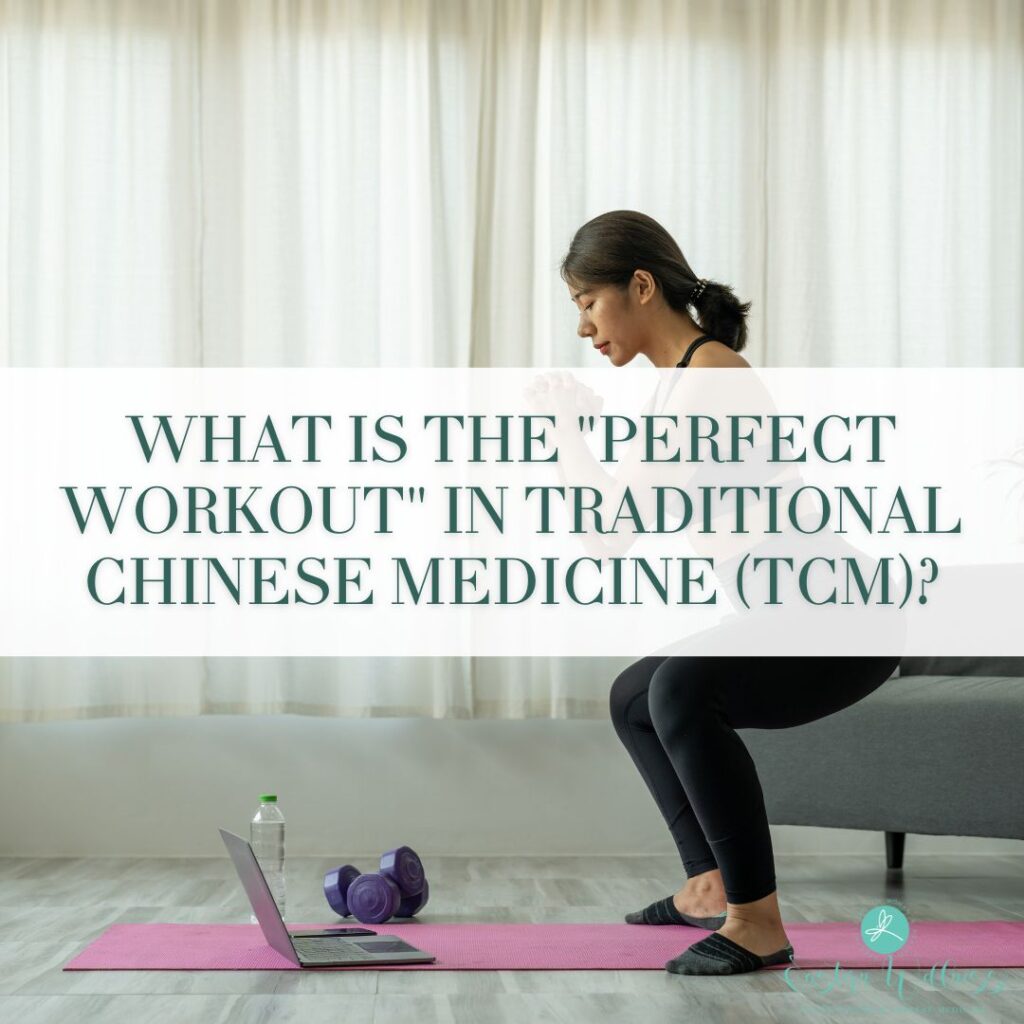
A woman performing a bodyweight squat on a yoga mat at home, with dumbbells and a laptop nearby, illustrating the perfect workout in TCM

In the pursuit of health and wellness, many often wonder what constitutes the “perfect workout.” Traditional Chinese Medicine (TCM), along with insights from functional medicine, provides a holistic approach that emphasizes the importance of balance—not just in our bodies but also in our workout routines. This balance is crucial, especially as we age, to prevent the common ailments like joint pains and muscle loss that can greatly affect our quality of life.

The Role of Cardiovascular Exercise

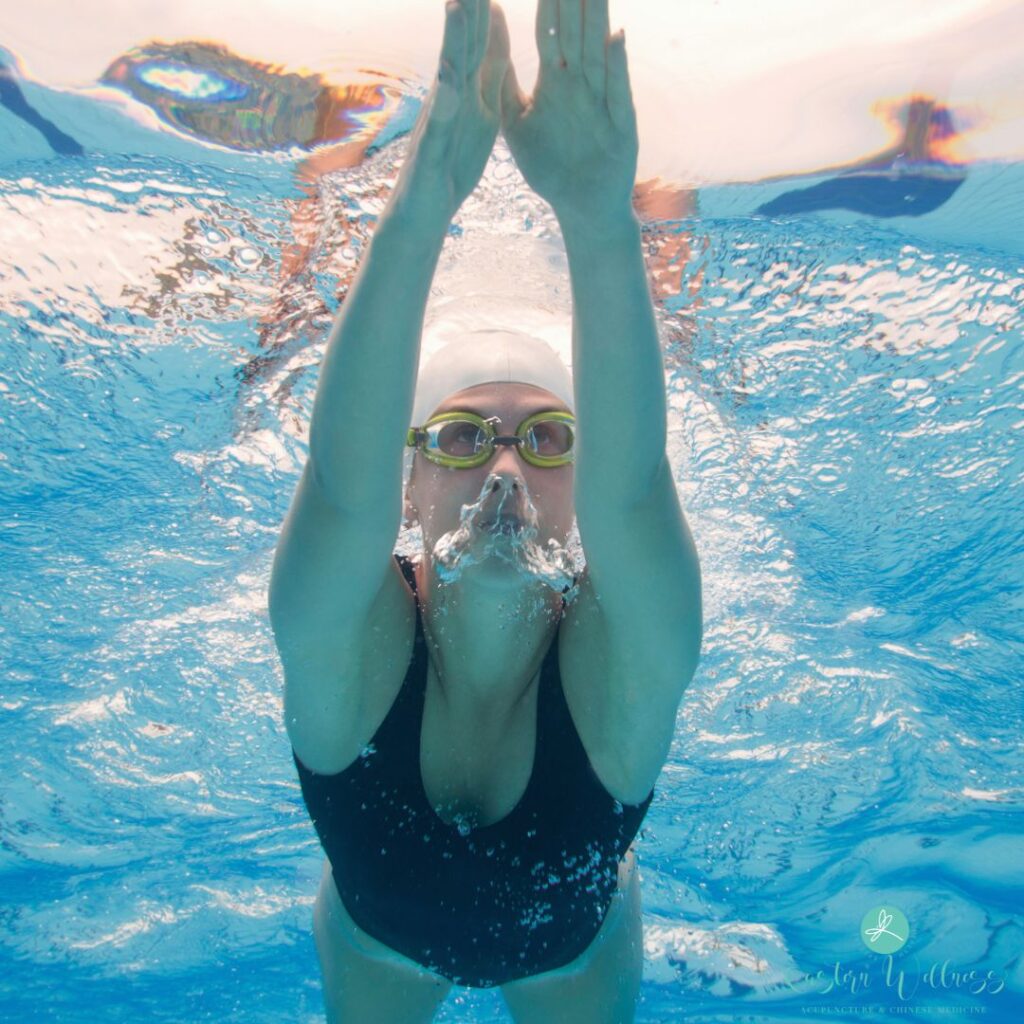
In TCM, cardiovascular exercises are seen as vital for promoting the flow of Qi (life energy) and blood throughout the body. Activities such as brisk walking, running, swimming, or cycling are considered dynamic movements that help to invigorate the heart and lungs, organs directly linked to the movement of Qi and blood. Cardio helps to open up the body’s meridian pathways, ensuring that energy does not stagnate.

From a functional medicine perspective, cardio is equally beneficial. It increases the heart rate, which helps to improve the heart’s efficiency and overall cardiovascular health. It also plays a crucial role in calorie burning and weight management, which are essential for maintaining metabolic health, particularly as we age.

The Importance of Strength Training

Strength training, on the other hand, is often overlooked in traditional fitness regimes but is equally crucial according to both TCM and functional medicine. In TCM, maintaining muscle strength is essential not only for physical stability and mobility but also for supporting the kidney Qi, which is believed to govern the bones. Strong muscles contribute to better bone density and joint support, reducing the risk of osteoporosis and arthritis—common issues as we age.

Functional medicine views strength training as critical for maintaining muscle mass, which naturally declines with age. This decline can lead to a slower metabolism, increased insulin resistance, and a higher risk of falls and fractures. Regular strength training can help mitigate these risks by improving muscle mass and strength, enhancing glucose metabolism, and increasing the body’s overall resilience.

Balancing Cardio and Strength Training

The perfect workout in TCM and functional medicine involves a combination of both cardio and strength training. This approach ensures a harmonious balance between enhancing cardiovascular health and building muscle strength, which are both vital for long-term health and vitality.

  1. Integrated Routine: Incorporate both forms of exercise into your weekly routine. For example, dedicate three days to cardiovascular activities and two days to strength training exercises.
  2. Progressive Overload: Gradually increase the intensity of your workouts to continuously challenge your body and prevent plateaus. This can be achieved by adding more weight in strength training or increasing the speed and duration of cardio sessions.
  3. Rest and Recovery: TCM stresses the importance of rest to allow the body’s Qi to regenerate. Ensure that you have at least one or two rest days per week to allow your body to recover and repair.
  4. Mindful Movement: Pay attention to your body’s signals. Overtraining can lead to Qi depletion in TCM, manifesting as fatigue or injury. Listening to your body ensures that you maintain internal balance and do not overexert yourself.

Conclusion

The perfect workout in TCM is not about choosing between cardio or strength training but rather about integrating both to create a balanced, comprehensive fitness plan. This approach aligns with both TCM principles of energy flow and functional medicine’s focus on holistic health. By embracing both cardiovascular and strength exercises, we prepare our bodies to age gracefully, keeping them strong, flexible, and vibrant as we navigate the later years of our lives.

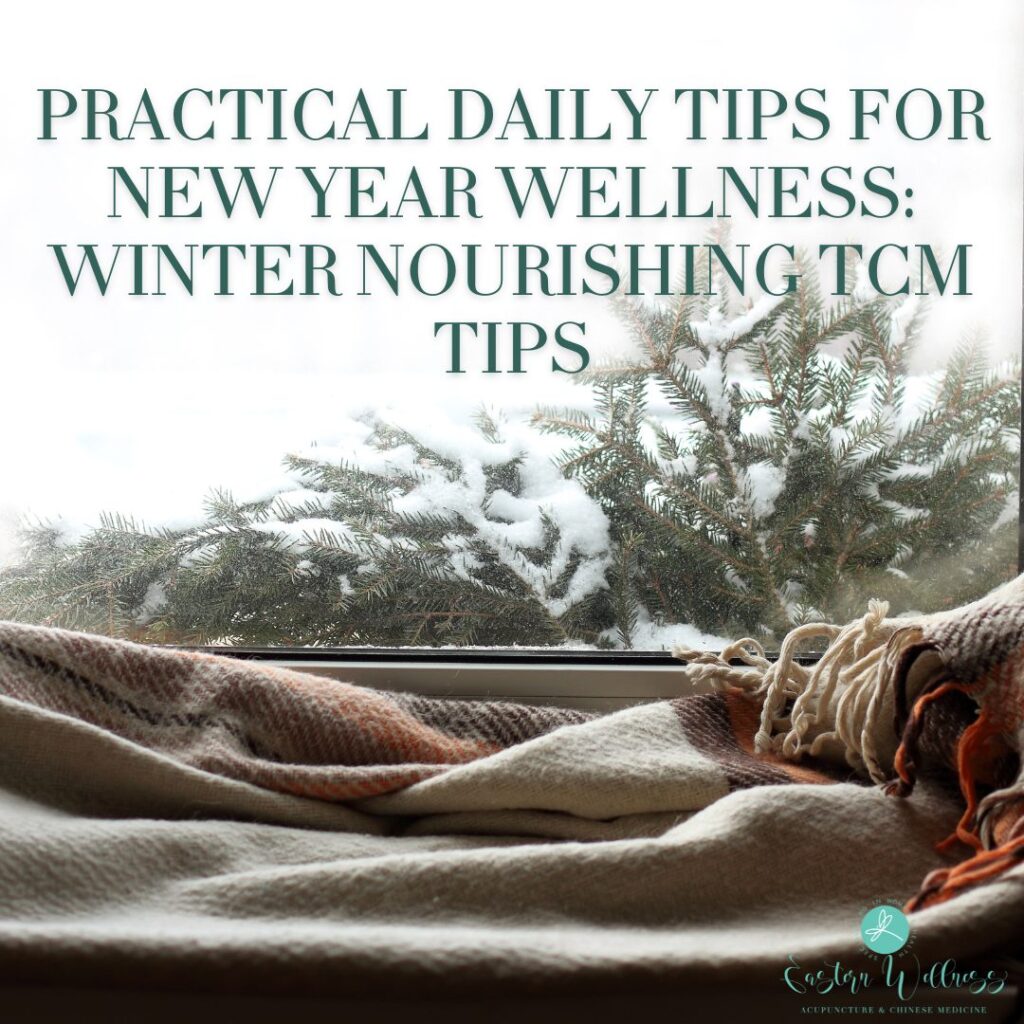
Practical Daily Tips for New Year Wellness: Winter Nourishing TCM Tips

As the year comes to a close, it’s easy to get caught up in reflecting on what you’ve achieved—or haven’t. But what if this year-end reflection focused less on accomplishments and more on your well-being? In this post, we explore how Traditional Chinese Medicine (TCM) offers guidance on finding harmony between rest and hustle. Learn why balance isn’t about perfection but about honoring your body’s needs and rhythms as you recharge for the year ahead.

Cozy winter scene featuring a blanket draped over a windowsill with snow-covered evergreens outside, accompanied by the text 'Practical Daily Tips for New Year Wellness: Winter Nourishing TCM Tips' and the Eastern Wellness logo in the corner.

As the calendar turns, it’s common to set health goals with the best of intentions. Yet, all too often, we find ourselves trapped in an “all or nothing” mindset, expecting strict dietary regimens and rigorous workouts that are simply too harsh to maintain. Traditional Chinese Medicine (TCM) offers a more sustainable and balanced approach to achieving wellness—one that values gradual, consistent changes over drastic shifts. As winter invites a slower pace, it’s the perfect season to gently prepare your body for the new year. Here are some practical and specific TCM tips to guide you:

1. Warm Up Your Diet

TCM emphasizes the importance of warming foods during the cold months. Incorporate ingredients like ginger, garlic, onions, and cinnamon into your meals to stimulate circulation and heat from the inside out. For a comforting snack, try roasted sweet potatoes sprinkled with cinnamon or a homemade ginger tea with a touch of honey.

2. Regular, Gentle Movement

Instead of intense gym sessions, focus on gentle, consistent movements that keep the Qi flowing without overwhelming your body. Set a daily reminder to spend 15 minutes dancing to a Zumba video on YouTube or walking in place while watching your favorite TV show. These simple activities can significantly boost your energy and mood.

3. Hydration and Atmosphere

Even in winter, hydration is key. Swap out cold water for warm herbal teas like chamomile or peppermint, which can soothe the soul and keep you hydrated. Also, use a humidifier in your living space to combat the drying effects of central heating, helping to keep your nasal passages and skin moisturized.

4. Prioritize Rest

Winter in TCM is all about restoration and conservation of energy. Commit to going to bed 30 minutes earlier than usual and aim for 7-9 hours of sleep per night. Creating a bedtime routine, such as reading or a warm bath, can signal to your body that it’s time to wind down.

5. Skin Care Naturally

Protect your skin from the harsh winter elements by applying natural oils like argan or coconut oil, which provide deep hydration and protect the skin’s barrier. Always wear scarves and gloves to shield exposed skin from cold winds.

6. Balanced Eating

Instead of cutting out entire food groups, focus on balance. For example, combine carbohydrates with proteins or healthy fats to stabilize blood sugar levels. Enjoy a baked apple with a sprinkle of nutmeg and a dollop of Greek yogurt for a snack that’s both satisfying and stabilizing.

Conclusion

Embracing TCM’s wisdom means acknowledging that wellness is a journey of small, manageable steps rather than giant leaps. This winter, let your health resolutions be about nurturing, not punishing, your body. With these practical and thoughtful adjustments, you’ll enter the new year feeling revitalized and balanced, ready to sustain your health goals throughout the coming months. Remember, every small step is a progress towards a healthier you!

Finding the Balance Between Rest & Hustle: The TCM Perspective

As the year comes to a close, it’s easy to get caught up in reflecting on what you’ve achieved—or haven’t. But what if this year-end reflection focused less on accomplishments and more on your well-being? In this post, we explore how Traditional Chinese Medicine (TCM) offers guidance on finding harmony between rest and hustle. Learn why balance isn’t about perfection but about honoring your body’s needs and rhythms as you recharge for the year ahead.

This image features a serene and calming scene of a woman sitting on a rocky shore, meditating or reflecting while facing the water. The soft, neutral tones of the setting evoke a sense of peace and balance. The centered text overlay reads, “Finding the Balance Between Rest and Hustle,” encapsulating the theme of harmony and mindfulness in a busy life.

As 2024 draws to a close, it’s natural to reflect on the past year. What surfaces first in your thoughts? Is it satisfaction over accomplishments, or perhaps a lingering regret for what wasn’t achieved? How many of your New Year’s resolutions have you checked off, and how many goals remain unmet? These introspections are common as we approach year’s end, but this time, I invite you to engage in a different kind of reflection—one that focuses less on your achievements and more on your well-being. Finding balance between rest and hustle is a tricky balance, but I share with you some tips that work for me and my patients.

Sit With Your Body

In the hustle of fulfilling ambitions and managing daily responsibilities, it’s easy to lose connection with our most faithful companion—our body. This year, before you rush to set more goals or judge your past efforts, take a moment to really sit with your body. Dedicate at least 10 minutes to step away from the hustle, quiet your mind, and tune in to how your body feels.

Listen, Rest and Observe

During this time, observe without judgment. You might notice the lingering effects of holiday meals, the fatigue from months of continuous effort, or emotions that haven’t fully been processed. Each of these sensations tells a story—not just of exhaustion or indulgence, but of a year lived fully, with all its complexities and challenges.

Traditional Chinese Medicine (TCM) on Balance

In TCM, health is all about balance and harmony between Yin (rest, coolness, inward energy) and Yang (activity, warmth, outward energy). The end of the year, especially, calls for nurturing the Yin aspect of our nature, allowing for rest and reflection to balance out the Yang-driven activities that dominate much of our lives. TCM teaches us that true well-being involves attending to both the body and the mind, nourishing each in accordance with its needs.

Giving Yourself Grace

This quiet reflection is an act of grace—a kindness you extend to yourself. It’s an acknowledgment of your body’s hard work and a recognition of your need for rest. As you sit with your body and listen to its needs, you honor its strength and its limitations. This practice isn’t about indulgence; it’s about respect and care for the incredible vessel that carries you through life.

Embrace the Pause, Forget the Hustle

As we bid farewell to another year, let’s redefine what it means to be productive. Productivity isn’t just about moving forward; it’s also about knowing when to pause. Giving yourself the time to rest isn’t an interruption of your progress—it’s an essential part of it. By resting, you recharge your body and your spirit, preparing yourself for the challenges and opportunities of the coming year.

Conclusion

As you reflect on 2024 and prepare for 2025, remember that balance is not something you find, but something you create. Balancing rest and hustle doesn’t mean equal parts of both all the time; it means listening to your body and responding to its needs. As we step into the new year, carry with you the lessons of balance, self-care, and mindfulness from TCM. Thank your body for its service, rest when you need to, and hustle with renewed energy when it’s right. Here’s to a balanced, healthy, and fulfilling 2025—see you all next year!

Embracing the Slow: Understanding Fatigue During Your Period Through TCM

In our fast-paced world, the notion of slowing down is often met with resistance. Society pushes us to maintain a constant hustle, conditioning us to believe that to pause is to fall behind. This is particularly true for women during their menstrual cycle, a time often seen as inconvenient due to the fatigue and slowness it brings. However, from the perspective of Traditional Chinese Medicine (TCM), your period is not just a biological function but a profound process of detoxification and self-repair that should be embraced, not ignored or suppressed. Let’s talk about your period and fatigue.

The Menstrual Cycle: A Time of Natural Detox

In TCM, the menstrual cycle is a critical clearing phase for the body. It’s a time when the body expels what it no longer needs, essentially cleansing itself. This isn’t just about shedding the uterine lining but also about detoxifying emotionally and energetically. The body is doing significant work during this time, work that is as natural as it is necessary.

The Role of Blood and Qi

TCM teaches that the menstrual cycle is governed by the ebb and flow of Qi (vital energy) and blood within the body. The liver, which is responsible for the smooth flow of Qi and blood throughout the body, plays a crucial role in ensuring a healthy menstrual cycle. When a woman menstruates, her body directs significant amounts of Qi and blood to the uterus to facilitate the shedding of the lining. This substantial energetic and physical expenditure is what leads to feelings of fatigue.

Why Fatigue Isn’t Just Fatigue

The fatigue you feel during your period is your body’s way of saying it is working hard. This is a natural slowdown that allows for detox and rejuvenation. In TCM, respecting the body’s rhythms is key to maintaining overall health. By resting more, you support your body’s natural processes, allowing for more efficient detoxification and nourishment of tissues.

Society vs. Natural Cycles

Modern lifestyles often demand that women ignore their natural cycles, pushing through their periods with the help of pain relievers or hormonal contraceptives that can stop menstruation altogether. While sometimes necessary for management of severe symptoms, this can be viewed in TCM as a disruption to the body’s natural state and healing rhythms. Periods are a powerful, self-regulating process—a built-in check that keeps a woman’s reproductive and general health in tune.

Embracing the Cycle

Here are a few ways to embrace and support your body during your period, according to TCM principles:

  • Rest More: Allow yourself to slow down. It’s okay to reduce the intensity of your activities during this time.
  • Nourish Your Body: Eat warm, nourishing foods that support blood and Qi, such as soups and stews with root vegetables and iron-rich greens.
  • Stay Warm: Keeping your body warm helps maintain the smooth flow of Qi and blood.
  • Gentle Movement: Engage in light exercises like yoga or tai chi, which support circulation without overexerting the body.
  • Hydration: Keeping hydrated helps maintain the body’s balance and supports the detox process.

Conclusion on Fatigue During Your Period

Your period is a natural and essential process, not a medical inconvenience. It’s a time when your body is cleansing and resetting itself—a mechanism beautifully designed for your well-being. In a world that often values speed over health, choosing to honor and embrace the natural cycles of your body is a radical act of self-care. Let’s shift our perspective and see this time for what it truly is: a vital, natural process of cleansing and renewal.

Decoding Gestational Diabetes with TCM: Why Too Much Sweetness Happens

Gestational diabetes with TCM looks at the root problem. When pregnancy starts, our body needs to supply the baby with kidney Qi, kidney essence and blood. Kidney Qi and essence are the reservation of our function and vitality. It serves like our savings account. We always want to save a little more then we spend into our saving account, right? And as we age, these two can deplete fast. Age, preexisting conditions, and poor lifestyle choices can also lead to fast depletion of kidney qi and essence. Gestational diabetes is like overdrafts of your savings account and continue to pay for two people.

Thus it creates conditions of:

  • Qi Deficiency: Your digestive system is like the kitchen of your body. During pregnancy, it works overtime, and sometimes, it just runs out of fuel. You might feel low energy , and not nourished easily. And sometimes you can even feel out of  breath easily. 
  • Blood Deficiency: Think of your blood as a life-giving river. Pregnancy demands more flow, and when it runs low, problems arise. This can lead to you feeling weak, not able to function optimally during pregnancy or even pain and depression as the blood can’t nourish the heart.
  • Yin Deficiency: Pregnancy metabolism is like a roaring fire; without enough water (Yin), the fire rises too hot. In this condition, you can feel restless or even insomnia. Hot flashes or even anxiety. Sometimes this can lead to restless fetus or fetus fail to thrive. 
  • Excess Heat: Too much sugar creates a heat wave in your body, and TCM knows how to cool things down.  You can all sorts of symptoms of inflammtion such as yeast infection, UTI  , or mood swing 

Acupressure: Your Body’s Sugar Control Buttons

  • Boost Qi with Stomach 36 (Zusanli):
    Tip: Imagine turning up the energy dial in your body’s kitchen by massaging this point after meals.
  • Cool the Fire with Large Intestine 11 (Quchi):
    Tip: Think of this as the “fire extinguisher” for your body—press it to cool things down after indulging in sweets. This point can also help reduce inflammation and relieve related pain.
  • Relax Your Mind with Du 20 (Baihui):
    Tip: Press this “antenna” on top of your head to send a calming signal to your brain—deep breaths included! Du 20 is also known for its ability to soothe both the mother and the fetus.

Food Therapy: Delicious Solutions for Sweet Balance

  • Boost Qi: root vegetable is known to nourish the spleen Qi , pair it with nuts that is rich in essential fatty acid, is a good partner for tonfying kidney Qi.
  • Nourish Yin: if you choose smartly, fruit can be a good friend even with gestational diabetes. Fruit as well as vegetable that is low in glycemic index and rich in juice are good choice to nourish
    Yin. Choices include oranges, grape fruit , peaches(fresh not canned), asparagus, and lettuce.
  • Cool Heat: blant and bitter taste are the taste in TCM that tames the fire. You can drink barley tea , corn silk tea or eat greens that has bitter taste such as kale, or dandelion greens .But be careful, pregnancy , during pregnancy , your digestive system can be sensitive. Consume bitter foods in moderation to avoid overstimulation of the digestive system.

With TCM, gestational diabetes doesn’t have to be feared. Together, with a little Qi, Yin, and love, you can conquer this sweet adventure and embrace the healthiest version of yourself and your baby.

Gestational Diabetes in Pregnancy: Holistic Guidelines

Now that you’re pregnant, after all the hard work you’ve done, it’s time to build your family.
What a wonderful time of life! Pregnancy can be the sweetest time of your life, but it can also come with its challenges. We can all enjoy a little sweetness in life, but when it shows up on a blood test, it’s time to get creative! Read on for some holistic guidelines for gestational diabetes.

What Is Gestational Diabetes?

When you’re pregnant—whether it’s your first time or your fifth—all moms need to undergo an oral glucose challenge test. This test typically takes place around the 24th week of pregnancy.

Here’s how it works:
Your OB care team will ask you to drink a cup of sugar water containing 75 grams of sugar.
(And believe me, it’s not the most pleasant drink!) After that, you’ll wait an hour for your blood to be drawn to measure your glucose levels.

Imagine chugging a giant cup of soda after fasting for 12 hours! Then, two hours after drinking the sugar water, they’ll check your blood sugar again.

If your fasting glucose is over 126 mg/dL or your post-drink level is over 140 mg/dL, it’s likely you have gestational diabetes.

Why Does Gestational Diabetes Happen?

Even if you’ve never had elevated blood sugar before, pregnancy changes things. When you’re pregnant, your body needs to supply nutrients—including glucose—to your baby. To ensure you don’t use up sugar too quickly, your body produces hormones like progesterone, oxytocin, estrogen, and cortisol through the placenta.

These hormones can create insulin resistance. If your body can’t balance insulin resistance with enough insulin production, blood sugar levels can rise.

Risk factors like PCOS, obesity, or autoimmune conditions before pregnancy increase your chances of developing gestational diabetes. These conditions often cause pre-existing insulin resistance, making it harder for your body to manage blood sugar even if it produces normal amounts of insulin.

Should We Rely Solely on Medications?

The answer is no. While medications like metformin can help, the core solution lies in lifestyle and diet changes.

Sugar is an efficient fuel for our body, and managing gestational diabetes means improving how our body uses it. The goal is to reverse insulin resistance through sustainable habits.

Holistic Guidelines for Managing Gestational Diabetes

1. Eat Smart

  • Choose complex carbohydrates like barley, steel-cut oats, quinoa, or brown rice.
  • Mix carbs with protein, such as black beans or navy beans, to stabilize blood sugar.

Pro Tip: If it looks too white, don’t eat it!

Skipping carbs entirely is a bad idea. Without carbs, blood sugar can drop too fast after spiking, putting your body on a rollercoaster ride. Plus, carbs and non-water-soluble fiber feed gut microbiota, helping your gut produce beneficial enzymes.

2. Watch Your Weight

Pregnancy weight gain should be monitored closely, especially if you’re overweight or obese.

  • Overweight moms: Gain 15–25 lbs for one baby or 31–50 lbs for twins.
  • Obese moms: Limit weight gain to 11–20 lbs for one baby or 25–42 lbs for twins.

Keeping weight in check is crucial for managing gestational diabetes and ensuring healthy baby growth.

3. Move Your Body

You don’t need to run a marathon, but regular exercise is essential for blood sugar management. Both cardio and strength training increase insulin sensitivity.

Options include:

  • Walking for 15–30 minutes after meals.
  • Prenatal yoga or light weight training.
  • Easy hikes in nature.

Movement helps your body use sugar efficiently and keeps you energized during pregnancy.

It’s not difficult to manage gestational diabetes. And remember every step you take to take care of yourself is a step to make sure you have a healthy baby and a healthy life!

Embracing Winter with Traditional Chinese Medicine: Nourishing Yin for Optimal Health

Embracing Winter with Traditional Chinese Medicine: Nourishing Yin for Optimal Health

As the crispness of autumn gives way to the stark chill of winter, our bodies and the natural world around us undergo profound changes. In Traditional Chinese Medicine (TCM), winter is a season deeply associated with the nourishment of Yin energy. This time of year calls for turning inward, both metaphorically and physically, to conserve our strength and prepare for the revitalizing burst of spring. Understanding how to adapt our lifestyle and health practices during winter is crucial for maintaining balance and wellness.

The Shift to Winter in TCM

In TCM, each season correlates with specific organ systems and energies. Winter is linked to the kidneys, which store our most basic and essential energy. The health of our kidneys during this time dictates not only our vitality and healing capacity but also our ability to conserve heat and energy.

Seasonal Changes and Qi:
As winter sets in, the cold weather influences our Qi, the vital life force that flows through our body’s energy pathways. Cold temperatures cause Qi to slow and contract, which can lead to stagnation if not managed properly. This seasonal shift demands that we focus on nurturing our body’s warmth and ensuring a smooth flow of energy to counteract the constrictive nature of cold.

Why Focus on Yin?
Yin represents the cold, slow, passive, and moist aspects of energy in the body and is fundamental during winter. The principle of nourishing Yin in fall and winter aligns with the natural tendency of living organisms to conserve resources during colder months. In TCM, a well-nourished Yin brings about a balance of internal heat and moisture, preventing dryness and maintaining a healthy metabolic rate.

Strategies for Winter Care in TCM

1. Dietary Adjustments:
Winter diets should focus on warming and energy-conserving foods. Root vegetables, whole grains, roasted nuts, and small amounts of meat (especially kidney meats) support kidney health and warm the body. Soups and stews, cooked slowly to imbue richness and warmth, are ideal. Incorporating black beans, kidney beans, walnuts, and black sesame can specifically aid kidney health.

2. Hydration and Fluids:
Even though winter invokes a sense of cold, internal hydration remains crucial. Warm, non-caffeinated beverages like herbal teas (ginger, cinnamon, and licorice) can warm the body and support Yin. Avoid excessive consumption of cold and raw foods, as they can cool the body too much, leading to Qi stagnation.

3. Lifestyle Practices:
Emphasize slowing down as the season changes. Gentle, restorative exercises such as Tai Chi, Qi Gong, and yoga can help maintain Qi flow and reduce the lethargy often associated with winter. Adequate rest and going to bed early help conserve energy and align with the Yin nature of the season.

4. Protecting Against the Cold:
Keeping warm is not just about comfort but about health. Cold penetrates easily when the body’s defenses are down, disrupting Qi flow and taxing the kidneys. Dress in layers and keep extremities warm with gloves, hats, and scarves.

5. Mental and Emotional Health:
Winter can often lead to feelings of isolation and melancholy. TCM advocates for meditation and mindfulness practices during this inward-turning season to manage stress and cultivate internal peace.

By observing these TCM principles, you can align your body’s needs with the seasonal cycle, nurturing your Yin, supporting your kidneys, and ensuring that when winter thaws into spring, you emerge rejuvenated and ready. Winter with Traditional Chinese Medicine is not a limitation but an opportunity to deepen our health practices and prepare for the vibrant energy of spring.

TCM Winter Skin Care for Colorado: Adapting to Seasonal Changes

TCM Winter Skin Care for Colorado: Adapting to Seasonal Changes

If you’re a resident of Colorado, you’ve undoubtedly experienced the sharp drop in temperatures. Perhaps you’ve even reached for the Vaseline to soothe cracking skin amidst recent snowstorms. Although the calendar still shows fall and winter officially begins in mid-December, the climate in Colorado suggests a different story. It’s wise for our community to start preparing for winter a bit earlier, particularly when it comes to skin care.

Understanding Skin Changes in Seasonal Transitions

In Traditional Chinese Medicine (TCM), the health of our skin is deeply connected to the balance and flow of Qi. In addition, it is also connected to the health of specific organ systems, particularly the lungs and kidneys. The skin is a reflection of these internal systems, and as we transition from fall into the harsher, colder winter, our skin often shows signs of this internal shift.

Dryness, Sensitivity, and Irritation: As we move into colder weather, the dry air both outdoors and indoors from heating systems can strip moisture from the skin. In TCM, this is often seen as a disruption in the body’s Yin energy, which moistens and cools the body. When Yin is depleted, skin becomes dry and irritated.

Bumpiness and Skin Shedding: These issues are often related to the body’s Wei Qi, or defensive Qi, which is closely tied to the lungs. The lungs in TCM are responsible for distributing protective Qi over the skin and controlling the opening and closing of pores. A deficiency can lead to vulnerabilities, such as bumpiness and increased sensitivity to external factors, and the natural sloughing process of the skin can become more pronounced.

TCM Strategies for Winter Skin Care in Colorado

To combat these common issues and maintain healthy skin through the colder months, consider the following TCM-inspired approaches:

  1. Nourish Yin and Moisturize Internally:
    • Diet: Incorporate foods that are rich in Yin and moisturizing properties. Foods like pears, apples, sesame seeds, walnuts, and honey are excellent for nourishing the body’s internal moisture. Soups and stews, especially those made with bone broth, are particularly beneficial as they are hydrating and packed with collagen, aiding in skin elasticity and moisture retention.
  2. Protect and Enhance Wei Qi:
    • Herbal Remedies: Consider herbs that support lung health and Wei Qi. Astragalus, ginseng, and licorice root can strengthen the body’s defensive Qi, thereby enhancing the skin’s ability to protect against harsh conditions.
    • Acupuncture: Regular acupuncture sessions can help balance the body’s Qi, improve circulation, and boost the health of the skin. Targeting specific meridians related to the lungs and kidneys can help address the root causes of skin issues.
  3. External Skin Care Practices:
    • Moisturizing Externally: Use natural oils and moisturizers that align with TCM principles. Products containing herbal extracts like green tea, chrysanthemum, or cucumber can provide external nourishment and hydration without harsh chemicals.
    • Gentle Exfoliation: Gently exfoliate the skin to remove dead skin cells and improve circulation. However, be mindful not to over-exfoliate, as this can disrupt the skin’s natural barriers.
  4. Mindful Adjustments to Daily Routines:
    • Hydration: Increasing water intake during winter months is crucial, as indoor heating can dehydrate the body faster than one might realize.
    • Humidifiers: Using a humidifier in your home or office can add moisture to the dry winter air, helping to keep your skin hydrated.

As the seasons change, so should our approach to health and skincare. By aligning our practices with the wisdom of TCM, we can maintain vibrant, healthy skin all year round in Colorado.

Understanding Menopause and Perimenopause: Acupuncture as a Therapeutic Option

Acupuncture for Menopause

Menopause often carries a negative connotation, conjuring images of insomnia, weight gain, hot flashes, night sweats, dwindling energy, diminished sex drive, and mood fluctuations. Certainly, it doesn’t sound like a walk in the park. However, the options for alleviating these symptoms have expanded significantly over the years, with acupuncture for menopause emerging as a viable therapeutic choice.

The Challenge of Perimenopause

Perimenopause marks the transitional period leading up to menopause. During this stage, women experience hormonal fluctuations primarily involving estrogen and progesterone. These changes can begin years before menopause and contribute to a variety of symptoms that can significantly impact quality of life.

While Hormone Replacement Therapy (HRT) offers relief for some, it is not suitable or tolerable for everyone. For those seeking alternatives, acupuncture presents a promising solution, particularly for managing depression and insomnia associated with perimenopause.

Acupuncture’s Role in Managing Perimenopause Symptoms

A 2023 randomized control trial highlighted acupuncture’s effectiveness in addressing comorbid depression and insomnia during perimenopause. The study divided 65 participants into two groups: a Real Acupuncture group (RA) and a Sham Acupuncture group (SA). Over eight weeks, participants received up to 17 treatments, with the frequency decreasing over time. The effectiveness was measured using the 17-item Hamilton Depression Rating Scale (HAM-D17) and the Pittsburgh Sleep Quality Index.

Participants were selected based on specific criteria, including age (45-55), a moderate to severe depression diagnosis, and poor sleep quality scores. Additionally, they met the TCM diagnostic criteria for depression due to Liver Depression and Kidney deficiency.

The Study’s Findings

The trial demonstrated significant improvements in sleep quality and depression scores in the RA group compared to the SA group. These benefits were observed both immediately after treatment and at an eight-week follow-up. Interestingly, while there was no notable difference in serum reproductive hormone levels between the groups, the clinical efficacy of acupuncture in improving sleep and reducing depressive symptoms was clear. This suggests that acupuncture for menopause may exert its effects through mechanisms related to brain chemistry rather than direct hormonal modulation.

Key Takeaways for Perimenopause Care

For those exploring alternative treatments for symptoms of perimenopause, particularly insomnia and depression, this study provides encouraging evidence of acupuncture’s benefits. It highlights acupuncture’s potential to improve quality of life during this challenging transitional period through non-hormonal means.

This exploration into acupuncture’s role in perimenopausal care offers a glimpse into the broader potential of TCM to address complex hormonal changes without the need for medication and its associated side effects. As research continues to evolve, acupuncture stands out as a supportive therapy for women navigating the nuances of hormonal transition.

Reference

1.Zhao FY, Zheng Z, Fu QQ, et al. Acupuncture for comorbid depression and insomnia in perimenopause: A feasibility patient-assessor-blinded, randomized, and sham-controlled clinical trial. Front Public Health. 2023;11:1120567. Published 2023 Feb 6. doi:10.3389/fpubh.2023.1120567

Can TCM Herbs and Anticoagulants be Taken Together?

Research Brief: Can TCM Herbs be Used With Anticoagulants?

Research Brief: Can TCM Herbs and Anticoagulants be Taken Together?

In my clinical practice, I have encountered numerous patients and doctors who are concerned with the use of TCM herbal formulas. Especially for many chronic illnesses, patients might come in with various prescriptions that might pose a threat in herb / drug interaction. While the concerns are valid, I do want to propose the use of TCM herbal formula for many patients. In my practice, it’s not uncommon to use acupuncture along with those herbal formulas as well.

Why There is a Need

While prescription drugs can help the patients’ need in symptom management, herbs, especially TCM herbal formulas, focus on restoring and optimizing the body’s functions. One of the many concerns that has been brought up is the use of anticoagulants and the concurrent use of TCM herbs. 

Side Effects of Anticoagulants

Anticoagulants in conditions like stroke, cardiovascular diseases , DVT and chemo-induced thrombosis are life saving. However, that doesn’t mean they don’t come with side effects. One of the major side effects is internal bleeding, such as gastric bleeding or cerebral hemorrhage. Thus anticoagulants are a double-edged sword, both life saving and life threatening. 

Another perspective on the use of anticoagulants is that blood clots caused by illness signify underlying inflammation, either chronic or acute. Due to long-term poor lifestyle habits, high stress, and malnutrition, which cause blood clots and vascular damage, anticoagulants are required. For optimized quality of life, however, other modalities are also needed.

The Study

The use of TCM herbal formulas is common practice in Taiwan. When I came across the cohort study on anticoagulants with concurrent use of herbal formula, I felt really encouraged. Especially when the research has formulas that are traditionally used to promote blood, such as San Qi(Panax notoginseng) or  Shu Jing Huo Xue Tang (疏經活血湯), which are sometimes frowned upon by doctors as a result of lack of understanding and training on Chinese herbs.

Study Design and Participants

This study used data from Taiwan’s National Health Insurance. It looked at 4,470 patients on blood thinners. Half of the patients took Chinese herbal medicine with their anticoagulants, and the other half did not. The two groups were similar in age, gender, and health conditions to accurately compare the effects of Chinese medicine on bleeding risk.

Chinese Medicine Used

Herbs like licorice, San Qi, ginseng, and balloon flower, as well as herbal formulas such as Shu Jing Huo Xue Tang, were present in the study. These herbs seemed to help lower the risk of bleeding when taken with blood thinners.

Main Goal

The study focused on whether patients had to go to the hospital for serious bleeding events, like stomach or brain bleeding, which can happen when taking blood thinners.

Results

Patients using both Chinese herbs and blood thinners had a lower risk of major bleeding compared to those using only blood thinners. Stomach bleeding was reduced by about 35%, and other types of bleeding were also less common.

Conclusion

Combining Chinese herbs with blood thinners might reduce the risk of bleeding without affecting how the blood thinners work. This could be a useful option for people who need long-term blood thinners.

This study matters because blood thinners, while important for preventing dangerous clots, can cause serious bleeding problems. If Chinese herbs can safely lower the risk of bleeding without affecting how well blood thinners work, it could help patients avoid these complications. This is especially important for people who need to stay on blood thinners for a long time, like those with heart issues. Combining traditional medicine with modern treatments could offer a safer way to manage their health.

Reference

1.Concurrent use of Chinese herbal medicine and anticoagulants may reduce major bleeding eventsHsu SM, Lin HJ, Kao YW, Li TM, Shia BC, et al. (2022) Concurrent use of Chinese herbal medicine and anticoagulants may reduce major bleeding events. PLOS ONE 17(8): e0271965. https://doi.org/10.1371/journal.pone.0271965