Nutrition for Cancer Survivors: Functional Medicine Tips for Healing Foods
Surviving cancer is a tremendous victory — and one that comes with a new calling. Once treatment ends, your body enters a vital healing phase. Cells need repair. Immunity needs rebuilding. Energy stores need restoring. And your body’s foundation — metabolism, digestion, detox pathways, and resilience — must be gently rebuilt.
One of the most powerful tools at your disposal is nutrition. What you eat doesn’t just fill your stomach — it sends information to your cells. Every bite can support healing, quiet inflammation, nourish your immune system, rebuild muscle, and help you reclaim vitality.
In this post, we explore evidence-based nutrition strategies for cancer survivors — framed within functional medicine and TCM-aligned principles. We’ll cover what the research says, which foods and dietary patterns are best for recovery, how to support gut health, protein and muscle rebuilding, inflammation control, and long-term resilience.
Why Nutrition Matters After Cancer
You just completed chemotherapy, radiation, surgery — or a combination. While these therapies do their job by targeting cancer cells, they also impact healthy cells, organs, and systems. Common after-effects include:
- Immune suppression or imbalance
- Oxidative stress and inflammation
- Muscle wasting, fatigue, or metabolic disruption
- Digestive issues, poor nutrient absorption, or gut dysbiosis
- Hormonal imbalances or metabolic strain
Nutrition becomes not just supportive — essential. It helps your body heal, rebuild, and reestablish strength. As one recent review puts it, there’s a growing demand for personalized, specific nutritional advice for cancer survivors. MDPI+1
Another large systematic review of randomized clinical trials confirms that dietary interventions during or after cancer treatment can support quality of life, functional outcomes, body composition, and reduce side effects — even if they don’t always alter cancer progression directly. OUP Academic
So while no single diet or food promises “cure,” nutrition remains one of the most powerful levers you — or someone healing — can use to support long-term health, resilience, and wellbeing.
What Research & Expert Guidelines Recommend for Cancer Survivors
Trusted cancer-care organizations and integrative-health experts converge around a few core recommendations for post-treatment nutrition. These guidelines align well with functional + TCM principles.
Key Recommendations
- Eat a diet rich in whole plant-based foods: vegetables, fruits, beans/legumes, whole grains. Cancer.org+1
- Favor lean proteins — fish, poultry, legumes, beans — to rebuild muscle, support immunity, and counter muscle wasting. ScienceDirect+1
- Include healthy fats (olive oil, nuts, seeds, omega-3 sources) to support cell integrity, reduce inflammation, and nourish the nervous system. MDPI+1
- Prioritize fiber, pre-/probiotics, hydration, and gut-friendly foods to support digestion, detox, and immune balance. Johns Hopkins Medicine+1
- Limit red and processed meats, added sugars, overly processed foods, excessive alcohol, and refined grains — these increase inflammation, oxidative stress, and may raise risk of recurrence or comorbidities.
- Maintain or rebuild muscle mass and healthy body composition — not simply aiming for “slim,” but for strength and metabolic balance.
Healing Foods: What to Include on Your Plate
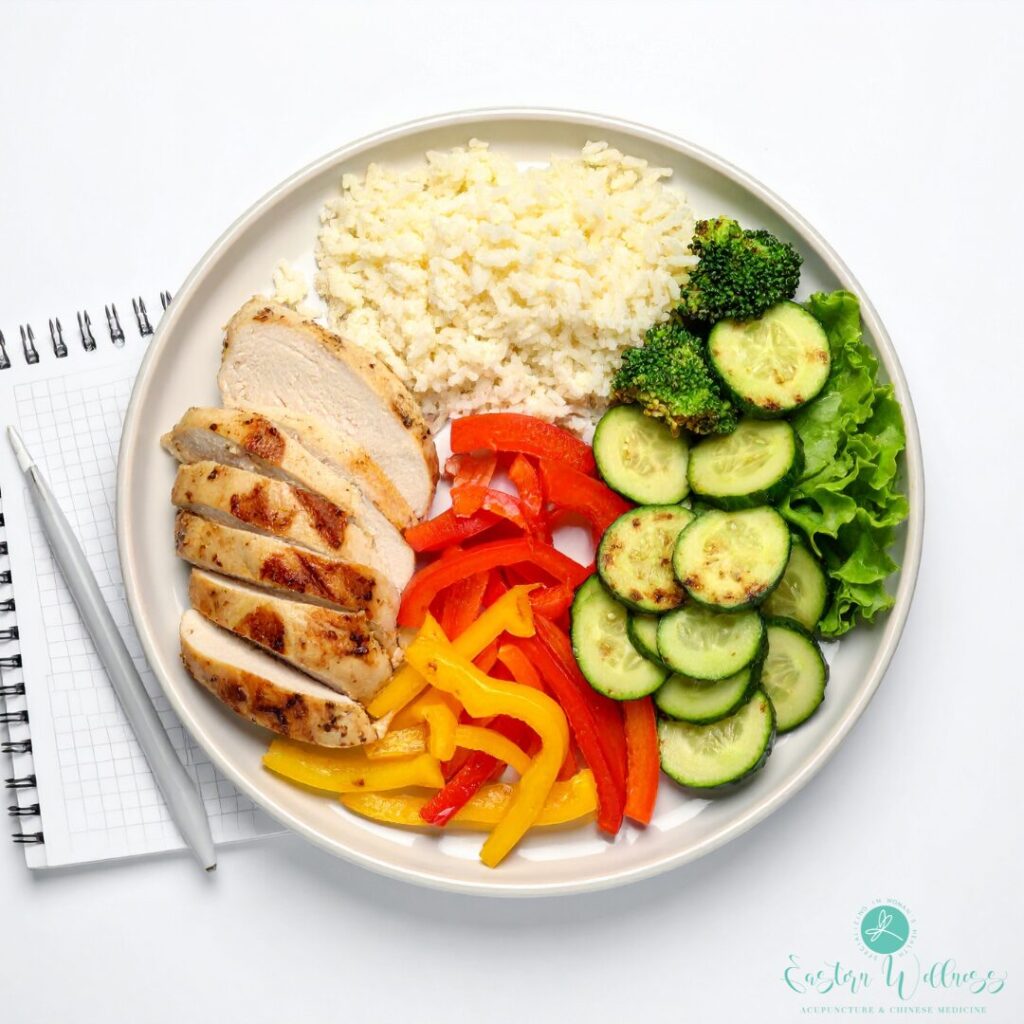
Here’s a breakdown of food categories especially valuable for cancer recovery — and why they matter.
Colorful Vegetables & Leafy Greens – Antioxidants, Phytonutrients, Gentle Detox
Green leafy vegetables (kale, spinach, broccoli, bitter greens, herbs), cruciferous veggies, deeply colored veggies — these are among the most powerful whole foods for recovery. They deliver antioxidants, vitamins, minerals, fiber, and phytochemicals that help counter oxidative stress, reduce inflammation, and support detox.
A review of green leafy vegetables concluded that their bioactive compounds — polyphenols, flavonoids, terpenoids — show anti-inflammatory and anti-cancer properties in preclinical settings. ResearchGate+1
For a survivor, this means leafy greens aren’t just “good for you” — they are protective, reparative, and foundational.
Pro tip (TCM-aligned): Favor cooked vegetables or lightly steamed greens, especially if digestion is still healing — warm, easy-to-digest meals support the Spleen and Stomach energy (middle jiao).
Colorful Fruits — Antioxidants, Immune Support & Natural Sweetness
Berries, dark-colored fruits, citrus, and deeply pigmented produce bring a spectrum of antioxidants, vitamin C, flavonoids, fiber, and micronutrients that help neutralize free radicals, support immune cells, and regenerate tissues.
Post-treatment, the antioxidant capacity helps counter residual oxidative stress from therapy. Fruits also support gut health, hydration, and offer gentle, nourishing energy without overload.
High-Quality Protein — Rebuilding Muscle, Supporting Immunity
During and after cancer treatment, muscle loss and metabolic stress are common. A strong protein intake helps rebuild muscle, support immune function (antibodies, cell regeneration), and restore metabolic stability.
Evidence-based reviews recommend a combination of animal-based (when tolerated) and plant-based proteins (beans, lentils, legumes) for survivors. Animal proteins tend to offer more complete amino acid profiles — which is often beneficial during recovery. ScienceDirect+1
What this means in practice: Include lean proteins like fish, poultry, eggs, legumes, beans, lentils — aiming for a balance that supports tissue repair without overloading the system.
Healthy Fats — Cell Health, Inflammation Control, Hormonal Balance
Healthy fats (olive oil, avocados, nuts, seeds, omega-3 rich fish) are fundamental for rebuilding cell membranes, supporting nervous system function, and reducing inflammation. These fats also aid absorption of fat-soluble vitamins (A, D, E, K), essential for healing and immune health.
A balanced fat intake supports metabolic regulation, hormone balance, and provides long-lasting energy — helpful when chemo has disrupted metabolic and digestive function.
Fiber, Gut-Friendly Foods & Hydration — Digestive Health & Detox
Fiber-rich whole grains, beans, vegetables, fruits, along with hydrating fluids (water, broths, herbal teas) support healthy gut microbiome, improve elimination, and support detox pathways.
Given that many cancer treatments affect gut lining, digestion, and nutrient absorption — supporting gut health becomes more than comfort: it is a critical part of healing and immune restoration.
What to Limit or Avoid — Foods That Can Hinder Recovery
While nourishing foods support healing, certain dietary patterns or foods can create stress, inflammation, or disruption in a recovering body.
- Processed foods, sugary drinks, refined grains — these contribute to inflammation, insulin spikes, oxidative stress, and may interfere with recovery.
- High intake of red or processed meats — may promote inflammation or metabolic stress; better to limit or choose lean/poultry/fish instead.
- Excess calorie intake or quick weight gain (especially fat mass) — obesity after cancer is linked to higher risk of recurrence or other chronic diseases.
- Very restrictive diets (e.g., extreme vegan, keto) without professional guidance — during healing, the body may need more complete nutrition, protein, and nutrients. Some research cautions against using prevention-era diets as post-treatment prescriptions.
Personalized Nutrition: Why “One-Size-Fits-All” Doesn’t Work
Cancer survivors are not a homogeneous group. The ideal nutrition plan depends on many factors, including:
- Type of cancer and treatments undergone
- Current side effects (e.g., digestive issues, nausea, appetite changes)
- Metabolism, weight changes, muscle loss or gain
- Gut health, digestion, detox capacity
- Emotional stress, fatigue, energy, hormonal status
That’s why recent research emphasizes the need for individualized nutrition advice for survivors. One survey found many survivors still lack tailored guidance and want individualized support for diet and recovery.
Functional medicine — especially when combined with TCM awareness — is ideally suited for personalization: assessing your constitution, digestion, energetic balance (Qi, Blood, Yin/Yang), and biochemical needs together.
Building Your “Healing Plate”: A Functional-TCM Meal Guide (No Table Version)
Here’s a practical and easy way to build balanced, healing meals as a cancer survivor — without needing a chart or table.
1. Fill Half Your Plate With Vegetables
Make the majority of your meal colorful vegetables and leafy greens.
Lightly cooked vegetables are best because they’re easier to digest and support the Spleen and Stomach (your middle jiao in TCM).
Think: steamed broccoli, sautéed spinach, roasted carrots, stir-fried greens, zucchini, or warm mixed vegetable soups.
These foods bring antioxidants, fiber, minerals, and gentle detox support — all essential for post-treatment healing.
2. Add a Quarter Plate of Lean Protein
Protein is essential for rebuilding muscle, repairing tissues, and strengthening your immune system.
Choose clean, gentle, easy-to-digest sources such as:
- fish
- chicken or turkey
- eggs
- beans, lentils, or legumes
Protein needs are often higher during recovery, so include a small portion at every meal.
3. Include Healthy Fats Daily
Healthy fats support cell repair, reduce inflammation, and balance hormones.
Incorporate foods like:
- olive oil
- Avocado
- nuts and seeds
- omega-3-rich fish
Use them as dressings, toppings, or mix them into warm meals.
4. Add Complex Carbohydrates as Needed
Whole grains and root vegetables provide steady energy and support stable blood sugar — especially helpful when recovering from fatigue.
Good options include:
- quinoa
- brown rice
- oats
- sweet potato
- squash
Choose warm, cooked forms rather than cold or raw dishes to support digestion.
5. Support Digestion With Fiber and Hydration
After treatment, the gut often needs extra support.
Include both types of fiber:
- Insoluble fiber: vegetables, whole grains
- Soluble fiber: oats, beans, seeds, some fruits
Drink plenty of water, warm teas, or broths to support elimination, detoxification, and gut healing.
6. Add Gut-Friendly Foods (If Tolerated)
Fermented foods and prebiotic-rich foods help rebalance the microbiome:
- fermented vegetables
- miso or tempeh
- cooked beans or lentils
- bananas, oats, asparagus (prebiotic support)
If digestion is sensitive, start slowly and build up gradually.
How to Build a Personalized Nutrition Plan (Your Healing Roadmap)
Because every survivor’s journey is unique, the best nutrition plan is individualized and flexible. Here’s a framework to use — alone or with an integrative / functional medicine practitioner (or dietitian):
Step 1: Baseline Assessment
– Review medical history: cancer type, treatments, side effects, digestive/GI issues, metabolism, body composition, energy.
– Note current symptoms: fatigue, digestive issues, weight loss or gain, appetite changes, inflammatory symptoms, detox load.
– Observe lifestyle: physical activity level, sleep, stress, access to fresh cooked foods.
Step 2: Build the Core Plate (as above)
– Half vegetables (cooked or gently prepared), a quarter lean protein, healthy fats and whole grains/fiber as tolerated.
– Hydration, gut-friendly foods, warm meals, easy digestion.
Step 3: Adjust Macronutrients Based on Needs
– If muscle loss or weakness: support with extra clean protein.
– If inflammation or oxidative stress: favor antioxidant-rich greens, healthy fats, fiber.
– If digestive issues: choose cooked, warm foods, gentle preparation, avoid cold/raw heavy meals.
Step 4: Support Gut & Detox Pathways
– Include fiber, prebiotic and probiotic foods (fermented vegetables, beans, legumes) if tolerated.
– Hydrate properly.
– Support liver and detox with leafy greens, colorful veggies, healthy fats.
Step 5: Monitor & Adjust
– Keep a food & symptom journal for 4–8 weeks. Note energy, digestion, fatigue, mood, sleep, inflammation.
– Reevaluate every 2–3 months (or as your medical team advises), adjust macros, food tolerance, and needs based on lab work or functional assessments.
Step 6: Integrate Lifestyle & Energetic Support (Optional, but Powerful)
– Gentle movement (walking, Tai Chi, Qi Gong), stress management, quality sleep, emotional support.
– If you follow TCM: herbs, acupuncture, Qi-supportive practices, mind-body work — always with medical guidance.
Why This Approach — Nourishing, Balanced, Patient-Centered — Matters
– It respects the complexity of cancer recovery. You are not just healing a tumor — you are rebuilding a system. Every organ, every cell, metabolism, immunity, digestion, nervous system — they all need support. A balanced diet addresses all those layers.
– It treats the person, not just the disease. Nutrition becomes part of your healing story — not a burden, but nourishment, empowerment, and participation in your recovery.
– It offers sustainability. Extreme diets, fads or overly restrictive plans often backfire. A well-balanced, nourishing plate — adjusted to your needs — offers long-term resilience without adding stress or deprivation.
– It honors both modern science and holistic wisdom. Functional medicine’s metabolic, inflammatory, and nutritional insights align beautifully with TCM’s emphasis on balance, nourishment, energy flow, and holistic health.
Final Thoughts + Your Next Step
Cancer recovery isn’t just about surviving — it’s about thriving again. It’s about rebuilding immunity, energy, strength, mental clarity — and reclaiming your sense of wellness. Nutrition is one of the most powerful tools you have to help guide that process.
If you’re ready to explore a personalized, integrative nutrition plan — grounded in both modern science and holistic wisdom — I’m here to help.
Book a consultation today. Together, we’ll assess your unique needs, tailor your nutrition and lifestyle plan, and support your healing journey with compassion, clarity, and balance.