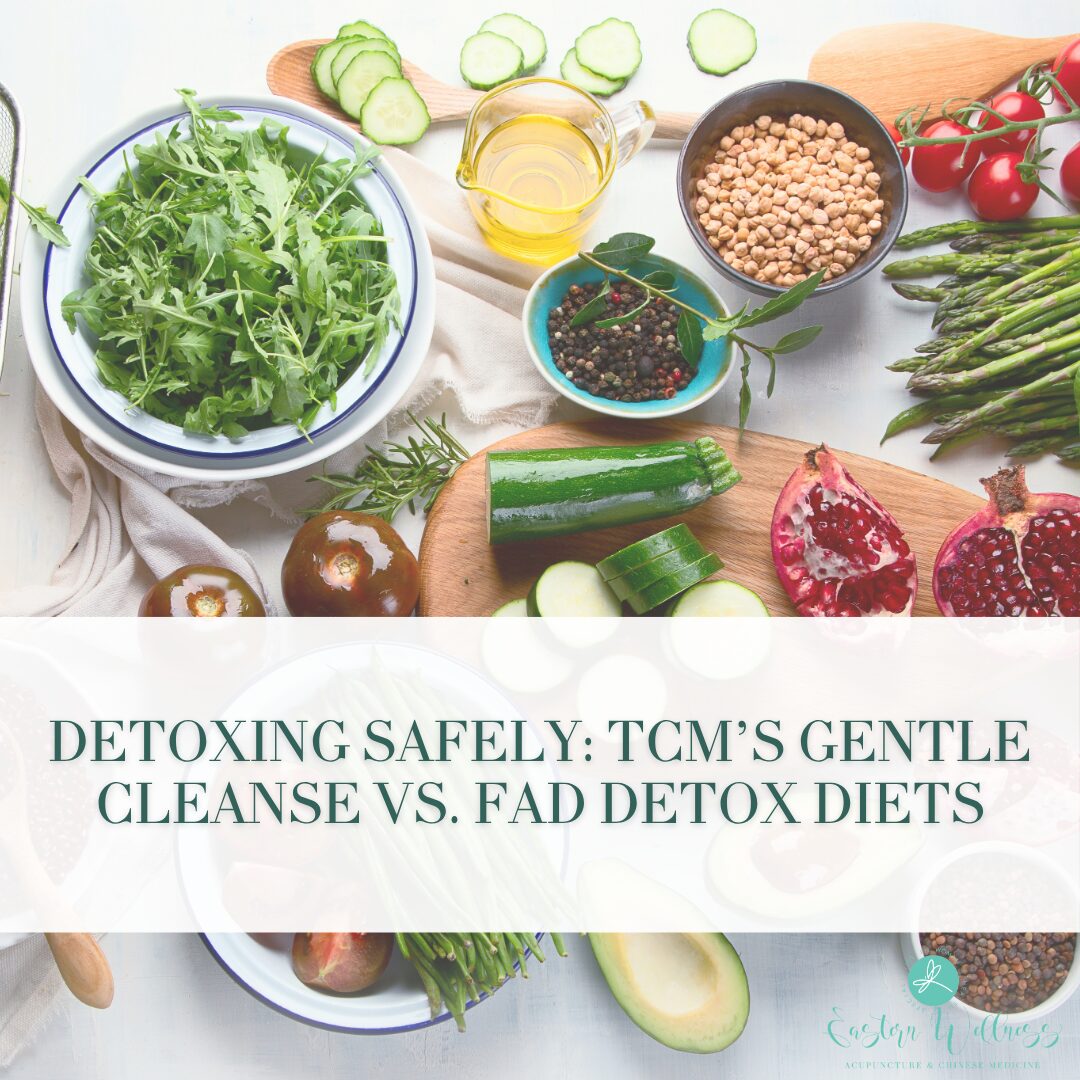
A balanced approach to supporting the body’s natural detox pathways
“Detox” has become one of the most popular buzzwords in the wellness world.
From juice cleanses to miracle teas and extreme fasting protocols, the idea of detoxing promises a quick reset for the body. Many programs claim they can eliminate toxins, boost metabolism, and dramatically improve health within days.
But not all detox approaches are safe—or effective.
In fact, many extreme detox diets can place additional stress on the body, disrupt digestion, and create nutrient imbalances. Instead of supporting the body’s natural detoxification systems, they may actually weaken them.
Traditional Chinese Medicine (TCM) offers a very different perspective. Rather than forcing the body into a drastic cleanse, TCM focuses on supporting the body’s natural detox pathways gently and sustainably.
This approach aligns closely with modern research showing that the body already has sophisticated detoxification systems—including the liver, kidneys, digestive system, lungs, and skin. The goal is not to “force detoxification,” but to support these systems so they can function efficiently.
Let’s explore why extreme detox diets can be problematic—and how a TCM detox approach provides a safer, more balanced alternative.
The Body Already Has a Detox System

One of the most important points often overlooked in the detox industry is that the body already contains highly effective detoxification mechanisms.
These systems include:
- The liver, which processes toxins and metabolic waste
- The kidneys, which filter blood and excrete waste through urine
- The digestive system, which eliminates toxins through bile and stool
- The lungs, which remove carbon dioxide and volatile substances
- The skin, which contributes through sweating
Scientific research consistently supports the central role of the liver in detoxification. The liver uses complex enzyme systems—often referred to as Phase I and Phase II detoxification pathways—to transform harmful substances into compounds that can be safely eliminated.
Because the body already possesses these mechanisms, effective detox strategies should focus on supporting these natural processes rather than attempting to override them.
The Problem with Extreme Detox Diets
Despite the body’s natural detox abilities, many popular detox programs promise dramatic results through severe dietary restriction.
Examples include:
- All-juice cleanses
- Liquid-only detox programs
- Extreme fasting protocols
- Laxative teas
- Herbal “fat-burning” detox supplements
While these programs may produce temporary weight loss or feelings of lightness, they can also carry significant risks.
Some of the common problems associated with extreme detox diets include:
Nutrient Deficiency
Many detox diets eliminate protein, healthy fats, and essential micronutrients. Without adequate nutrients, the liver cannot perform detoxification effectively because many detox enzymes rely on amino acids and vitamins.
Blood Sugar Instability
Juice cleanses and liquid detox diets often contain high amounts of sugar with little fiber or protein, leading to blood sugar spikes followed by crashes.
Digestive Weakness
From a TCM perspective, prolonged fasting or excessive cold liquids can weaken the Spleen and Stomach system, impairing digestion and energy production.
Electrolyte Imbalance
Certain detox teas contain stimulant laxatives that can disrupt fluid and electrolyte balance, potentially affecting heart rhythm and kidney function.
A scientific review published in Journal of Human Nutrition and Dietetics highlights that many commercial detox diets lack scientific evidence and may lead to nutritional deficiencies and metabolic disturbances.
In other words, detoxing the wrong way may create more stress on the body rather than less.
The TCM Perspective on Detoxification
Traditional Chinese Medicine does not view detoxification as a dramatic purge.
Instead, detoxification is seen as the natural result of balanced organ systems working together.
In TCM theory, several organ systems play key roles in detoxification:
- Liver – ensures the smooth flow of Qi and supports detox pathways
- Spleen – governs digestion and transformation of nutrients
- Kidneys – regulate fluid metabolism and elimination
- Lungs – assist in releasing waste through breath and skin
When these systems function harmoniously, the body can effectively eliminate toxins.
However, when digestion becomes weak, Qi becomes stagnant, or inflammation accumulates, detoxification pathways may slow down.
The goal of a TCM detox is therefore not to aggressively purge toxins but to restore balance so the body can detoxify naturally.
Gentle Detox: Supporting the Liver
Because the liver plays a central role in detoxification, many TCM detox strategies focus on supporting liver health.
One way to do this is through herbal support.
Milk Thistle
Milk thistle (Silybum marianum) is widely studied for its protective effects on liver cells. Its active compound, silymarin, has antioxidant and anti-inflammatory properties.
Milk thistle has been used for centuries in herbal medicine to support liver function and regeneration.
Dandelion
Dandelion root and greens are also traditionally used to support digestion and liver function.
Research indicates that dandelion contains compounds that may stimulate bile production, supporting digestion and the elimination of metabolic waste.
In both Western herbalism and TCM practice, dandelion is often used as a gentle tonic to support liver and digestive health.
Food as Medicine: The Foundation of a Gentle Detox
In TCM, diet is considered one of the most important tools for maintaining balance.
A gentle detox approach emphasizes nourishing foods rather than restrictive diets.
Some foods traditionally used to support detox pathways include:
- Dark leafy greens (spinach, kale, mustard greens)
- Cruciferous vegetables (broccoli, cabbage, cauliflower)
- Bitter vegetables (dandelion greens, arugula)
- High-fiber foods that support digestion
- Adequate protein for liver detox enzymes
Cruciferous vegetables are particularly interesting from a scientific perspective because they contain compounds that influence detoxification enzymes.
Rather than eliminating food groups, the goal is to provide the body with the nutrients needed for detoxification.
Hydration and Elimination
Another essential component of safe detoxification is proper hydration.
Water supports:
- Kidney filtration
- Urinary elimination of toxins
- Digestive function
- Circulatory health
In TCM practice, warm or room-temperature fluids are often recommended, as excessive cold beverages may impair digestion.
Herbal teas such as ginger tea, dandelion tea, or chrysanthemum tea can provide gentle support for digestion and circulation.
Movement and Circulation
Physical movement also plays an important role in detoxification.
Exercise promotes circulation, lymphatic drainage, and sweating—all of which contribute to waste removal.
However, TCM emphasizes balanced movement rather than extreme exercise, particularly during detox periods.
Gentle activities such as:
- Tai Chi
- Qi Gong
- Walking
- Stretching
can help promote circulation without placing excessive stress on the body.
The Role of Rest and Stress Reduction
Stress can significantly affect detoxification.
When the body is under chronic stress, the nervous system shifts into a fight-or-flight state, prioritizing survival over repair and detoxification.
From a TCM perspective, prolonged stress can lead to Liver Qi stagnation, disrupting the body’s natural flow of energy.
Practices that support relaxation and nervous system balance include:
- Meditation
- Breathwork
- Acupuncture
- Spending time in nature
- Prioritizing sleep
Sleep, in particular, plays a critical role in cellular repair and metabolic detoxification.
Signs the Body May Need Support
Rather than following extreme detox trends, it can be more helpful to recognize when the body may need gentle support.
Some signs that detox pathways may be under strain include:
- Persistent fatigue
- Brain fog
- Digestive sluggishness
- Skin issues
- Sensitivity to chemicals
- Poor stress tolerance
These symptoms do not necessarily mean the body is “toxic,” but they may indicate that digestive, metabolic, or detox pathways need support.
A Sustainable Approach to Detox
The most effective detox strategy is not a short-term cleanse.
It is a sustainable lifestyle that supports the body’s natural detox systems every day.
This includes:
- Eating whole, nutrient-dense foods
- Supporting digestion with warm, balanced meals
- Staying hydrated
- Moving the body regularly
- Managing stress
- Getting restorative sleep
These practices align closely with both Traditional Chinese Medicine principles and modern scientific understanding of detoxification.
The Takeaway: Gentle Detox Works with the Body
Extreme detox diets often promise dramatic results—but they can also disrupt the very systems they claim to support.
Traditional Chinese Medicine offers a more balanced perspective.
Rather than forcing detoxification, TCM focuses on restoring harmony within the body’s systems so detoxification can occur naturally.
By supporting digestion, liver function, hydration, circulation, and rest, we allow the body to do what it was designed to do:
Maintain balance, eliminate waste, and regenerate health.
Sometimes the most effective detox is not the most extreme one.
It is the gentle, consistent care that allows the body’s natural wisdom to work.