Where modern microbiome science and Traditional Chinese Medicine agree
Over the past decade, modern medicine has begun to recognize something that Traditional Chinese Medicine (TCM) has emphasized for thousands of years:
Digestive health is the foundation of overall health.
Research into the gut microbiome—the trillions of microorganisms living in our digestive tract—has revealed how profoundly the gut influences immune function, metabolism, mental clarity, and inflammation.
In TCM, this concept has long been expressed through the importance of the Spleen and Stomach system, which governs digestion, nutrient absorption, and the transformation of food into Qi and Blood.
While the language may be different, the core principle is remarkably similar:
When digestion is strong, the body thrives. When digestion is weak, imbalance appears.
Today, an interesting bridge is forming between modern microbiome science and ancient dietary wisdom—especially through the use of fermented foods and probiotics.
Let’s explore how these approaches complement each other and how nurturing your gut microbiome can support long-term digestive health.
Understanding the Gut Microbiome
I
The gut microbiome refers to the complex ecosystem of bacteria, fungi, and other microorganisms living in the digestive tract.
These microbes are not merely passive residents—they actively participate in essential physiological functions, including:
- Breaking down food and fiber
- Producing vitamins such as B vitamins and vitamin K
- Supporting immune regulation
- Maintaining intestinal barrier integrity
- Influencing mood and cognitive function
In fact, the human gut contains trillions of microbes, collectively weighing up to two kilograms and performing functions that resemble those of a metabolic organ.
Research published in Nature Reviews Gastroenterology & Hepatology highlights how disruptions to the gut microbiome—known as dysbiosis—are associated with numerous chronic conditions, including inflammatory bowel disease, metabolic disorders, and immune dysfunction.
This growing body of research has reinforced what many traditional healing systems have long observed:
The gut plays a central role in maintaining systemic balance.
Digestive Health in Traditional Chinese Medicine
In TCM, digestion is governed primarily by the Spleen and Stomach system.
While these organs do not correspond exactly to their Western anatomical definitions, they represent a functional system responsible for transforming food into usable energy.
This process is known as “transforming and transporting.”
Through this function, the digestive system produces:
- Qi – the body’s functional energy
- Blood – nourishment for tissues and organs
When digestion is strong, the body produces sufficient Qi and Blood, supporting:
- Stable energy
- Mental clarity
- Healthy immunity
- Strong muscle tone
- Balanced metabolism
However, when digestion becomes weak, symptoms often appear such as:
- Fatigue after eating
- Bloating
- Brain fog
- Loose stools
- Cravings for sugar
- Low immunity
Interestingly, many of these symptoms are also associated with microbiome imbalance in modern medicine.
This overlap highlights a fascinating alignment between ancient digestive theory and modern microbiology.
The Role of Fermented Foods in Gut Health
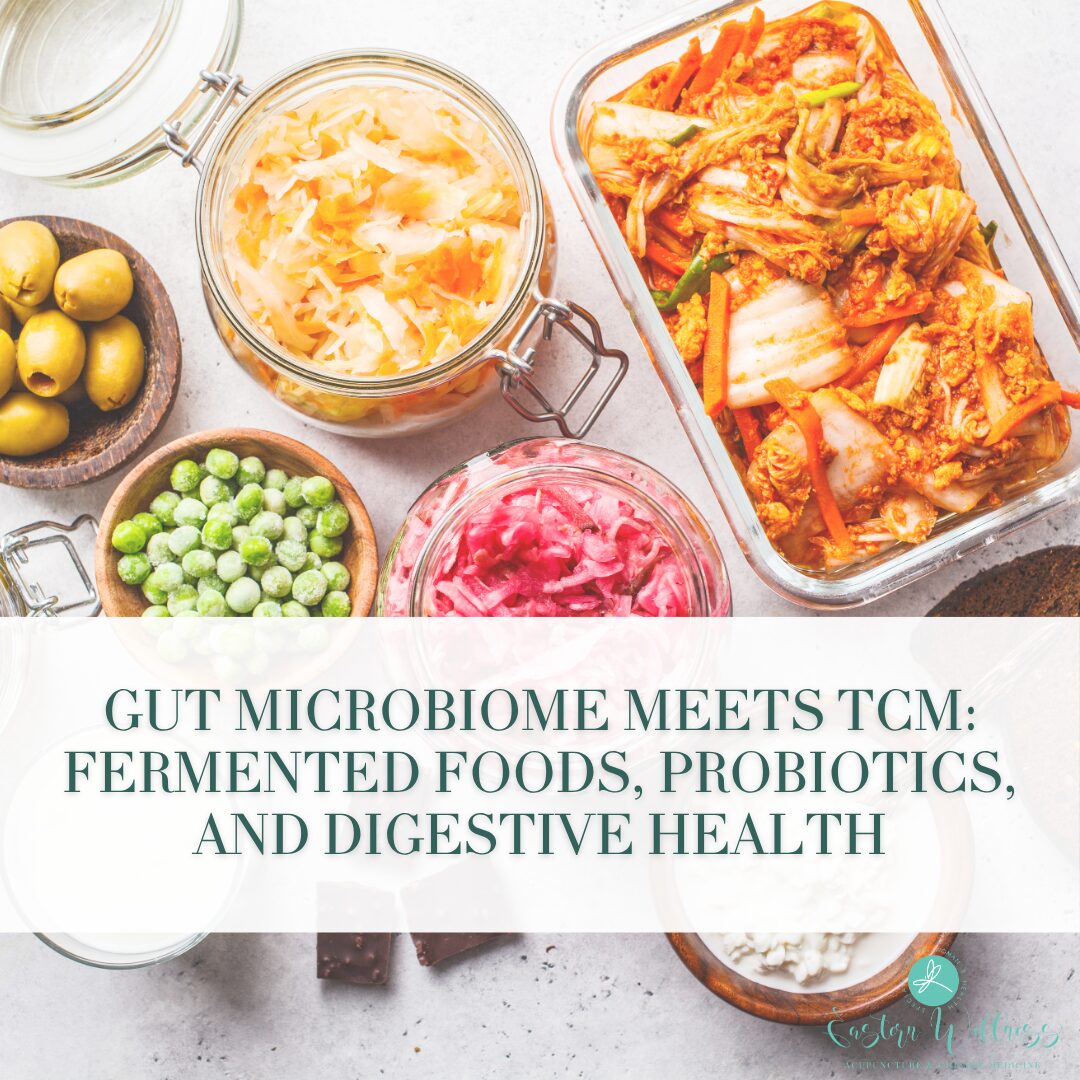
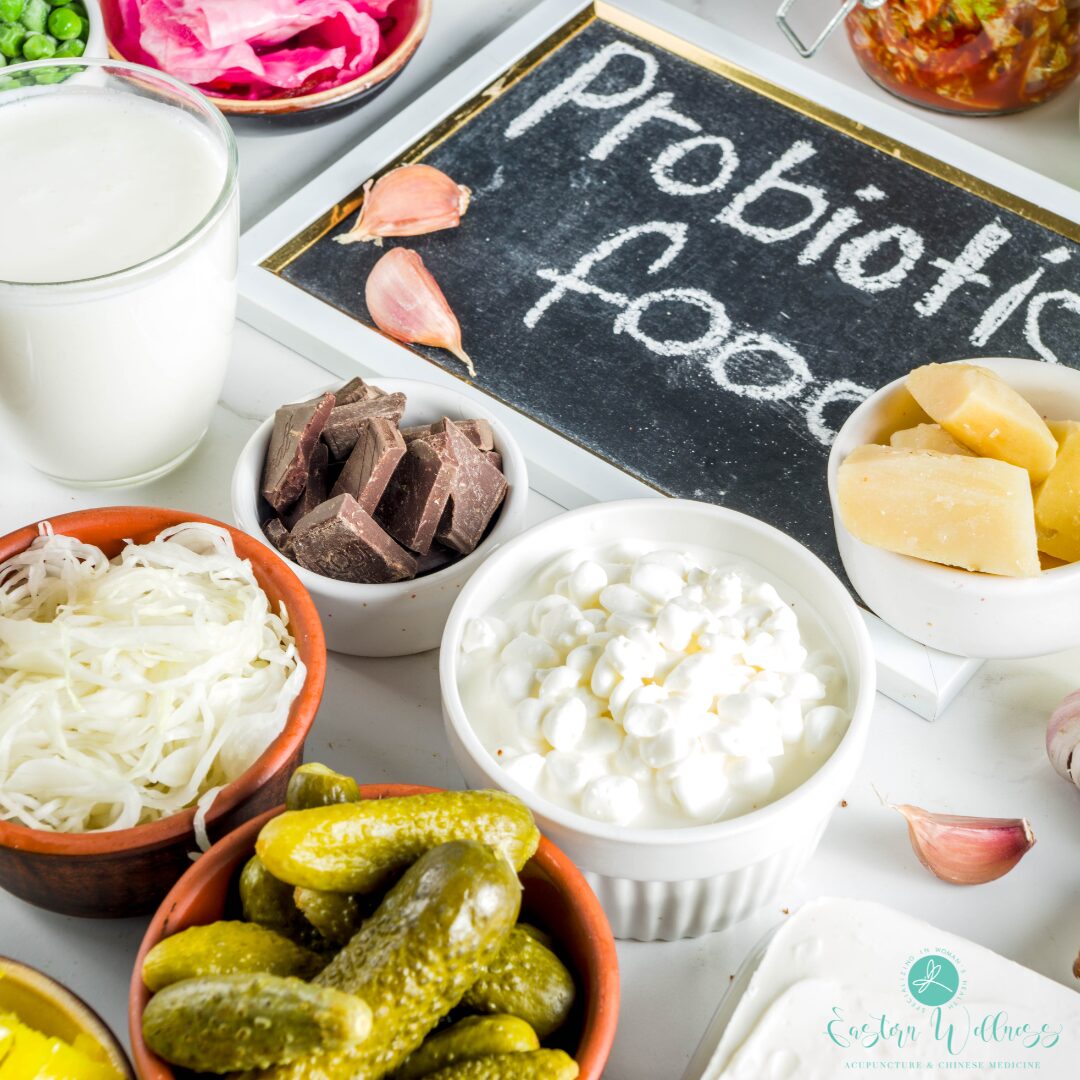
One of the most powerful ways to support the gut microbiome is through fermented foods.
Fermentation is a natural process in which microorganisms break down carbohydrates and sugars, producing beneficial compounds and probiotics.
Common fermented foods include:
- Yogurt
- Kefir
- Kimchi
- Sauerkraut
- Miso
- Tempeh
- Kombucha
These foods contain live microorganisms that can help support a healthy balance of gut bacteria.
Research published in the journal Nutrients explains that fermented foods can positively influence the composition of the gut microbiota and support metabolic and immune health.
Fermented foods may help:
- Increase microbial diversity in the gut
- Support digestion and nutrient absorption
- Strengthen immune defenses
- Reduce inflammation
For many individuals, regularly incorporating fermented foods into the diet can help restore microbial balance after disruptions caused by stress, illness, antibiotics, or poor diet.
Probiotics and Digestive Balance
Probiotics are live microorganisms that provide health benefits when consumed in adequate amounts.
While fermented foods naturally contain probiotics, probiotic supplements may also be used in specific cases to support digestive health.
Scientific research has shown that probiotics may help regulate immune function, support gut barrier integrity, and improve digestive symptoms.
A comprehensive review published in The Lancet Gastroenterology & Hepatology highlights the potential role of probiotics in supporting gastrointestinal health and restoring microbial balance after dysbiosis.
However, probiotics are not a one-size-fits-all solution.
Different bacterial strains have different functions, and choosing the right probiotic often depends on the individual’s digestive pattern and underlying imbalance.
This is where the perspective of Traditional Chinese Medicine can be particularly helpful.
The TCM Perspective: Strengthening the Digestive Foundation
In TCM, digestive health is not just about the microorganisms living in the gut. It is about the strength of the digestive system itself.
Even beneficial bacteria cannot thrive in an environment where digestion is weak.
For this reason, TCM places strong emphasis on dietary habits and digestive support.
Key principles include:
Eating Warm, Cooked Meals
TCM traditionally encourages warm, cooked foods rather than excessive cold or raw foods.
Cooked foods are easier for the digestive system to transform into energy, particularly for individuals with weaker digestion.
This approach may also support better nutrient absorption and digestive comfort.
Supporting the Spleen with Gentle Foods
Foods that nourish digestion in TCM often include:
- Rice
- Oats
- Sweet potatoes
- Squash
- Carrots
- Lentils
- Chicken broth
These foods are considered gentle and strengthening, helping the digestive system produce sufficient Qi and Blood.
Avoiding Excessive Processed Foods
Highly processed foods, excessive sugar, and irregular eating patterns can weaken digestive function and disrupt microbial balance.
From both a microbiome and TCM perspective, these habits contribute to inflammation and digestive imbalance.
Herbs That Support Digestive Function
Traditional Chinese herbal medicine has long included herbs that support digestive function and intestinal balance.
Some commonly used herbs include:
- Ginger (Sheng Jiang) – warms digestion and improves circulation
- Atractylodes (Bai Zhu) – strengthens Spleen Qi
- Licorice root (Gan Cao) – harmonizes digestion
- Chen Pi (aged citrus peel) – improves digestive movement
These herbs are often combined in formulas designed to strengthen digestive energy and reduce symptoms such as bloating, fatigue, and poor appetite.
Interestingly, modern research has begun exploring the microbiome-modulating effects of herbal compounds, suggesting that traditional herbal formulas may influence gut bacteria as well.
The Gut–Immune Connection
One of the most important roles of the gut microbiome is its relationship with the immune system.
Approximately 70% of the immune system resides in the gut, where immune cells interact constantly with microbial populations.
A balanced microbiome helps regulate immune responses and prevent excessive inflammation.
When microbial balance is disrupted, immune regulation can become impaired, contributing to inflammatory and autoimmune conditions.
This relationship between digestion and immunity closely mirrors the TCM concept of Wei Qi, or protective energy.
Wei Qi helps defend the body against external pathogens such as viruses, bacteria, and environmental stressors.
From a TCM perspective, strong digestion produces the energy necessary to maintain this protective barrier.
Lifestyle Habits That Support Gut Health
While diet plays a major role in digestive health, lifestyle factors also influence the microbiome.
Several habits can help maintain microbial balance:
Eating Mindfully
Eating while stressed or distracted can impair digestion and alter gut function.
Taking time to eat calmly supports digestive enzymes and nutrient absorption.
Maintaining Consistent Meal Times
Regular meal timing helps regulate digestive rhythms and supports metabolic balance.
Managing Stress
Chronic stress can disrupt both the microbiome and digestive function.
Practices such as meditation, breathing exercises, Tai Chi, or acupuncture may help regulate the nervous system and support gut health.
Getting Enough Sleep
Sleep plays an important role in metabolic and immune regulation.
Poor sleep can negatively affect gut bacteria and inflammatory pathways.
Bridging Ancient Wisdom and Modern Science
When we compare the principles of Traditional Chinese Medicine with modern microbiome research, a remarkable pattern appears.
Both approaches emphasize:
- Strong digestion as the foundation of health
- The importance of whole, nourishing foods
- Balance within the gut ecosystem
- The connection between digestion and immunity
The language may differ—Qi and Spleen function in TCM, microbial diversity and intestinal integrity in modern science—but the message is strikingly similar.
Healthy digestion supports every system in the body.
Building a Digestive Foundation for Long-Term Health
Supporting the gut microbiome does not require extreme diets or complicated protocols.
Often, the most effective strategies are the simplest:
- Incorporate fermented foods regularly
- Eat warm, nourishing meals
- Maintain consistent eating habits
- Reduce highly processed foods
- Manage stress and support sleep
These habits nourish both the microbial ecosystem of the gut and the digestive foundation described in Traditional Chinese Medicine.
When digestion is supported, the body is better able to generate energy, regulate inflammation, and maintain resilience.
Final Thoughts
Modern science continues to uncover the profound influence of the gut microbiome on human health.
At the same time, ancient traditions like Traditional Chinese Medicine have long recognized the importance of strong digestion for vitality and balance.
Fermented foods, probiotics, and supportive dietary practices offer a bridge between these two perspectives.
By nurturing the gut microbiome and strengthening digestive function, we support not only digestive health, but the broader systems that depend on it—energy, immunity, and overall well-being.
Sometimes the most powerful healing strategies are those that bring together ancient wisdom and modern science, allowing us to care for the body in a deeper and more integrated way.