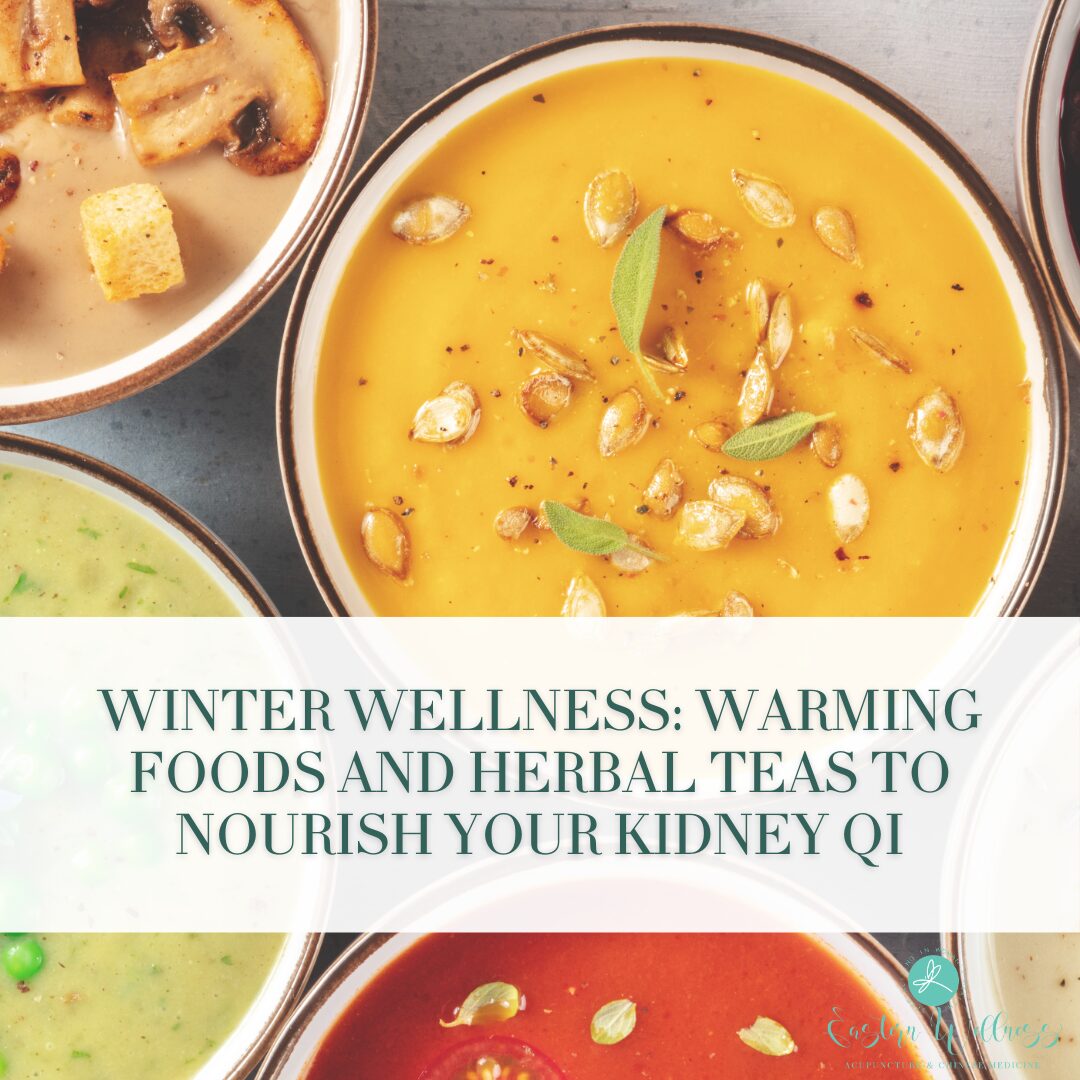
How Traditional Chinese Medicine Seasonal Wisdom Supports Your Health Through the Cold Months
Focus Keywords: winter wellness tips, warming foods, kidney health TCM
Winter is a time for rest, reflection, and nourishment. In Traditional Chinese Medicine (TCM), winter isn’t something to be endured—it’s something to be honored. As nature slows down, so too should our pace, our diet, and the way we care for our bodies. The cold months are deeply tied to the Kidney system, the body’s energy reserve, often referred to as the source of Qi, Jing, and vitality. Supporting Kidney Qi during winter helps protect your reserves, maintain resilience, and emerge into spring more robust and balanced.
In this blog, we’ll explore why winter wellness matters, how warming foods and herbal teas support your body, and practical, evidence-informed ways to nourish your Kidney Qi throughout the season.
Why Winter Matters in TCM
In TCM theory, each season corresponds to a functional organ system. Winter belongs to the Water element, whose primary organ is the Kidney (with its partner, the bladder). The Kidneys store our deepest energy—Jing—which underlies growth, reproductive health, resilience, and longevity.
Winter is associated with stillness, quiet, and conservation of energy. Just as trees shed leaves and roots grow deeper, the body is meant to slow, rest, and replenish. Too often in modern life, we ignore this seasonal invitation, maintaining the same pace year-round. The result? Depletion and imbalance—especially in those of us navigating hormonal changes, stress, or chronic fatigue.
TCM encourages us to work with the season, not against it. That means aligning our diet, movement, sleep, and internal climate with the external environment.
Kidney Qi: The Body’s Deepest Reserve
In the language of TCM, Kidney Qi is not just kidney function in the Western sense. It encompasses:
- Essence (Jing) – inherited and stored energy
- Qi reserve – energy we lean on when other systems are stressed
- Water metabolism – fluid balance and elimination
- Bone, marrow, and nervous function – foundational vitality
When Kidneys are strong, you feel rooted, resilient, and calm. When they’re weak, symptoms often include fatigue, cold extremities, low back weakness, frequent urination at night, anxiety, or forgetfulness. Winter is the season when Kidneys are most easily depleted if we ignore their needs.
Winter Eating: The TCM Approach
Unlike summer, winter calls not for cold salads or raw smoothies but for warm, slow-cooked, nutrient-dense meals that are easy to digest and abundant in Qi-nourishing quality.
Here’s why this matters:
- Cold, raw foods can shock the digestive fire (Spleen Qi), forcing the body to use up extra energy to warm food to body temperature.
- Cooked, warming foods support smoother digestion and deeper nutrient assimilation.
- Seasonal, warming meals help protect the Kidneys by preserving internal warmth and conserving Qi.
In winter, TCM diet therapy is a foundational wellness strategy—just as important as sleep, movement, and stress management.
Warming Foods for Kidney Qi and Winter Health
Here are key categories of warming winter foods that align with TCM seasonality and physiology:
1. Warm Soups and Stews
Winter isn’t just soup weather—it’s medicine bowl weather.
- Bone broths and slow-simmered stews warm the body from the inside, nourish Qi, and support digestion.
• Ingredients like lamb, chicken, and root vegetables are grounding and warming.
Slow cooking breaks down tough fibers and proteins, making nutrients more bioavailable and digestion less taxing.
2. Root Vegetables and Hearty Produce
Root vegetables are staples of winter nutrition because they are:
- Grounding (supports Spleen Qi)
- Warm in nature (counteracts cold environment)
Examples include:
- Sweet potatoes
- Carrots
- Daikon
- Parsnips
- Yams
- Beets
3. Warming Spices
Spices aren’t just flavor—they ignite internal warmth.
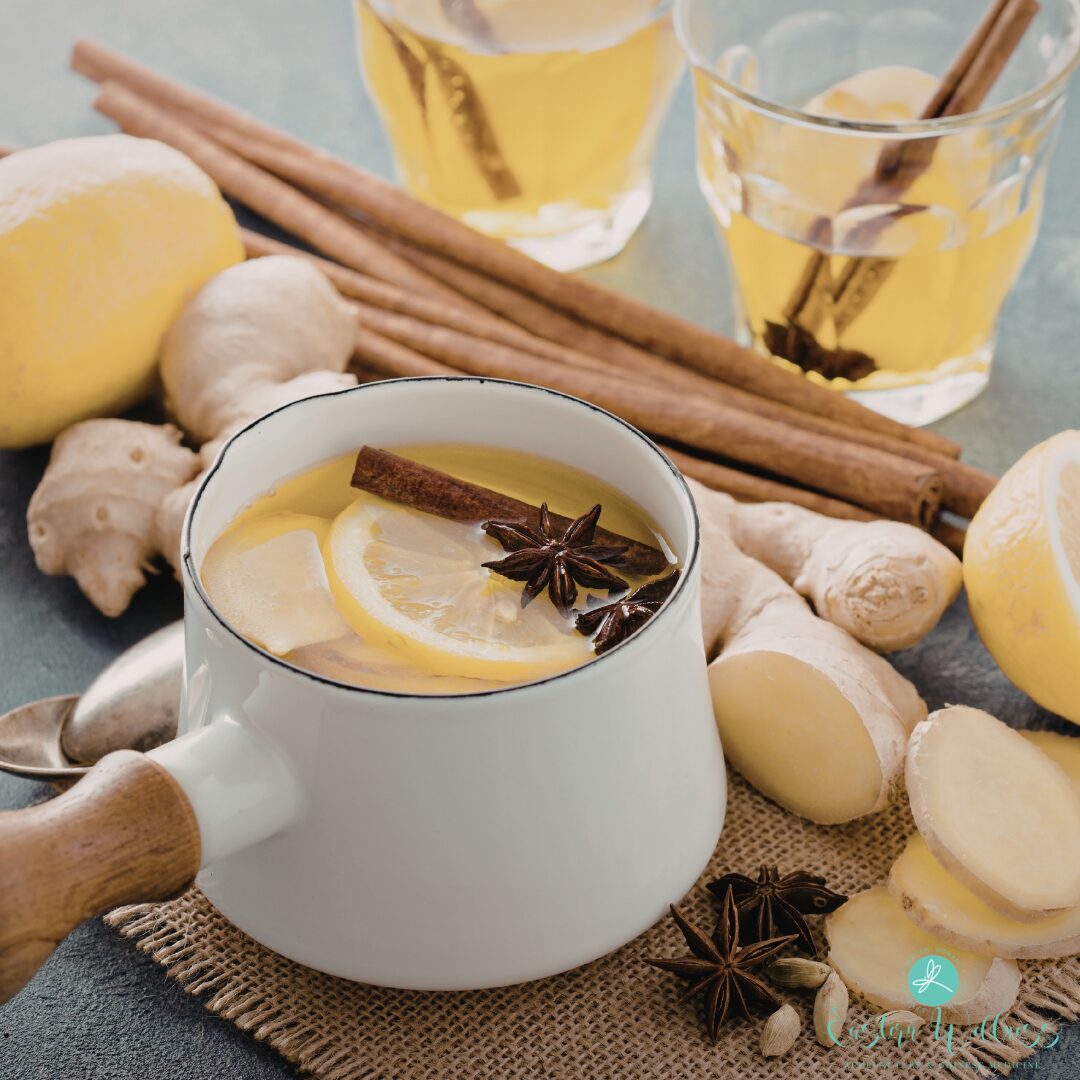
- Ginger – well studied for thermogenesis (heat production) and digestion; ginger infusion has been shown to increase energy expenditure and stimulate circulation, which can help the body generate warmth.
• Cinnamon – rich in antioxidants and phenolic compounds that support healthy metabolic regulation.
• Turmeric & Black Pepper – anti-inflammatory properties and improved circulation when paired together support overall winter resilience.
These spices can be added to stews, porridges, herbal teas, and warming drinks throughout the day.
4. Black & Dark Foods
In TCM, the Water element (Kidney) connects with the color black. Dark-colored foods tend to nourish Kidney Qi and Jing.
Good examples include:
- Black beans
- Black sesame
- Walnuts
- Dark grains (black rice, wild rice)
- Goji berries (while not black, are energetically supportive)
These foods provide antioxidant nourishment while supporting the body’s reserves.
Herbal Teas to Support Winter Well-Being
Warm beverages are more than comforting—they communicate warmth to your nervous system, digestive system, and internal organs. TCM encourages sipping heat gently throughout the day rather than gulping cold fluids.
Healing Herbal Tea Suggestions
Ginger Tea
A staple warming tea that:
- Stimulates circulation
- Supports digestion
- Provides antioxidants with anti-inflammatory effects reported in research.
Cinnamon-Infused Tea
Cinnamon water or tea:
- Helps steady blood sugar
- Supports metabolic balance and internal warmth.
Spice Blends (Ginger + Cinnamon + Cloves)
This trio offers a warming, balanced profile that supports:
- Circulation
- Digestion
- Comfort in cold weather.
These can be steeped in hot water as a daily ritual—a slow way to nourish your body and mind.
Hydration and the Warm Liquid Advantage
Hydration doesn’t stop in winter—it changes form.
Cold drinks force your body to expend energy to warm them before digestion.
Warm water or herbal teas preserve internal warmth, support digestion, and gently nourish Kidney Qi.
Hydration with warm beverages also supports:
- Smooth bowel movements
- Clearer urination
- Circulatory balance
All of these play a role in detoxification and immune resilience, especially when the weather challenges circulation.
Seasonal Rhythm: Sleep, Movement, and Stillness
Winter wellness is not solely about food and drink—sleep and energy conservation matter too.
TCM teaches that winter is a time to rest deeply:
- Go to bed earlier
- Wake later (if possible)
- Avoid overexertion
- Choose gentle movement (like Qi Gong or slow walking) over intense workouts
This rhythm supports Kidney Qi by preventing excessive Yang (active energy) depletion and allowing Yin (restorative energy) to rebuild.
Putting It All Together: Practical Winter Wellness Tips
Here’s how to practically nourish your Kidney Qi this winter:
- Swap cold drinks for warm teas throughout the day
- Make soups or stews daily with roots, warming spices, and protein
- Use ginger and cinnamon regularly in cooking or tea
- Choose dark, Kidney-nourishing ingredients like black beans and sesame
- Slow down your pace—rest, reflect, and conserve energy
- Prioritize restorative sleep aligned with the season
- Keep consistent gentle movement, not exhausting exercise
These practices help you move with winter’s energy rather than against it—building deep vitality that carries you into the spring.
Why Seasonal Wellness Matters for Long-Term Health
Many people view winter as a season to “push through.” But judging by TCM seasonal wisdom—and supported by physiological understandings of metabolism, thermogenesis, and digestion—the winter months can be a reset period for internal systems.
Aging, stress, chronic illness, and hormonal imbalance all draw from your deep energy reserves. Winter gives you a chance to:
- Restore reserves
- Improve immunity
- Stabilize metabolism
- Protect your nervous system
- Honor your body’s natural rhythms
Treating this season with intention is not indulgent—it’s strategically nourishing.
Nourish Your Kidneys, Nourish Your Life
Winter wellness isn’t about fad diets or extreme cleanses. It’s about alignment with your environment, gentle nourishment, and deep listening to your body.
Warming foods and herbal teas aren’t just comfort—they are a therapeutic way to:
- Strengthen Kidney Qi
- Support internal balance
- Maintain warmth, circulation, and immunity during the cold months
As nature invites slow reflection and conservation, your body welcomes nourishment that warms from the inside out.
Slow down. Eat warmth. Sip herbal tea. Honor the season. Your Kidneys—and your Qi—will thank you.
If you’d like personalized guidance on winter nutrition, TCM food therapy, and energy-supporting strategies tailored to your unique constitution, book a consultation with me. Together, we’ll build a plan that supports your resilience, vitality, and seasonal wellness—one nourishing bite at a time.