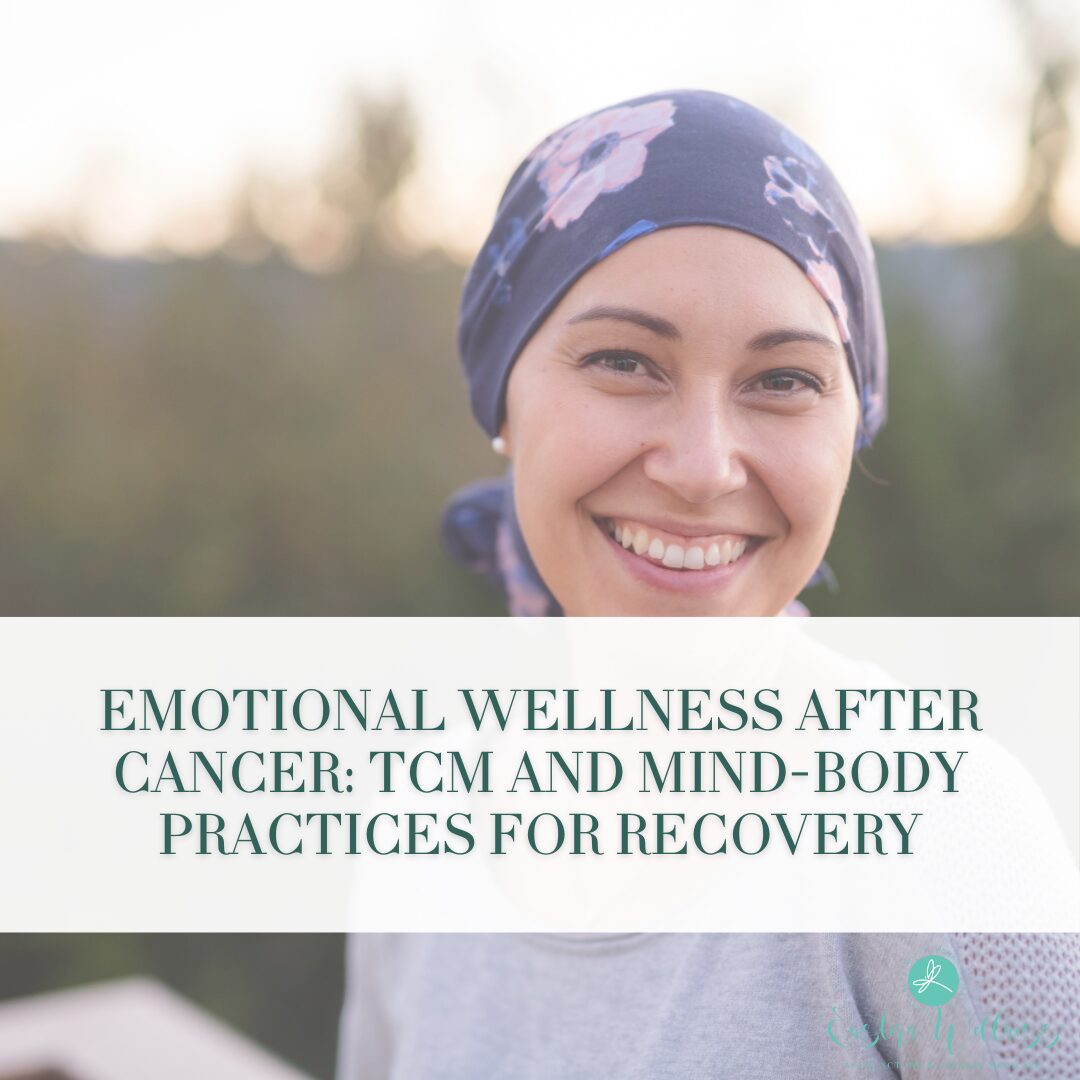
Surviving cancer is an emotional journey as much as a physical one. This post focuses on healing the heart and mind after cancer using integrative practices. It highlights TCM mind-body techniques such as meditation, gentle yoga or tai chi, and acupuncture for anxiety relief, along with other holistic therapies (like journaling or support groups) to help women process their experience, reduce fear of recurrence, and find emotional balance in recovery.
The Emotional Landscape After Cancer
Completing cancer treatment is a major milestone, but many survivors discover that emotional healing continues long after physical treatments end. Anxiety, mood changes, insomnia, fear of recurrence, emotional numbness, and heightened sensitivity are common experiences.
From a physiological perspective, cancer and its treatments can disrupt the nervous system, stress hormones, sleep cycles, and inflammatory pathways. From a Traditional Chinese Medicine (TCM) perspective, cancer treatments often deplete Qi, Blood, Yin, and disturb the Shen (spirit/mind), making emotional regulation more difficult.
This is why emotional healing after cancer requires more than positive thinking — it requires restoring balance in the body, nervous system, and mind.
The TCM View: Healing the Shen (Spirit)
In TCM, emotional wellbeing is governed by the Shen, housed in the Heart. When the Shen is unsettled, symptoms may include anxiety, restlessness, insomnia, palpitations, or emotional fragility.
After cancer treatment, several TCM patterns are commonly seen:
- Liver Qi stagnation: irritability, tension, mood swings, frustration
- Heart Shen disturbance: anxiety, racing thoughts, poor sleep
- Spleen Qi deficiency: overthinking, fatigue, heaviness, brain fog
- Kidney Yin deficiency: restlessness at night, fear, depletion
- Phlegm/Damp accumulation: emotional dullness, mental cloudiness
TCM therapies aim to gently move stagnation, nourish deficiency, and calm the Shen, allowing emotional balance to return gradually and sustainably.
Mind-Body Medicine: What the Research Shows
Tai Chi & Qigong for Emotional Recovery
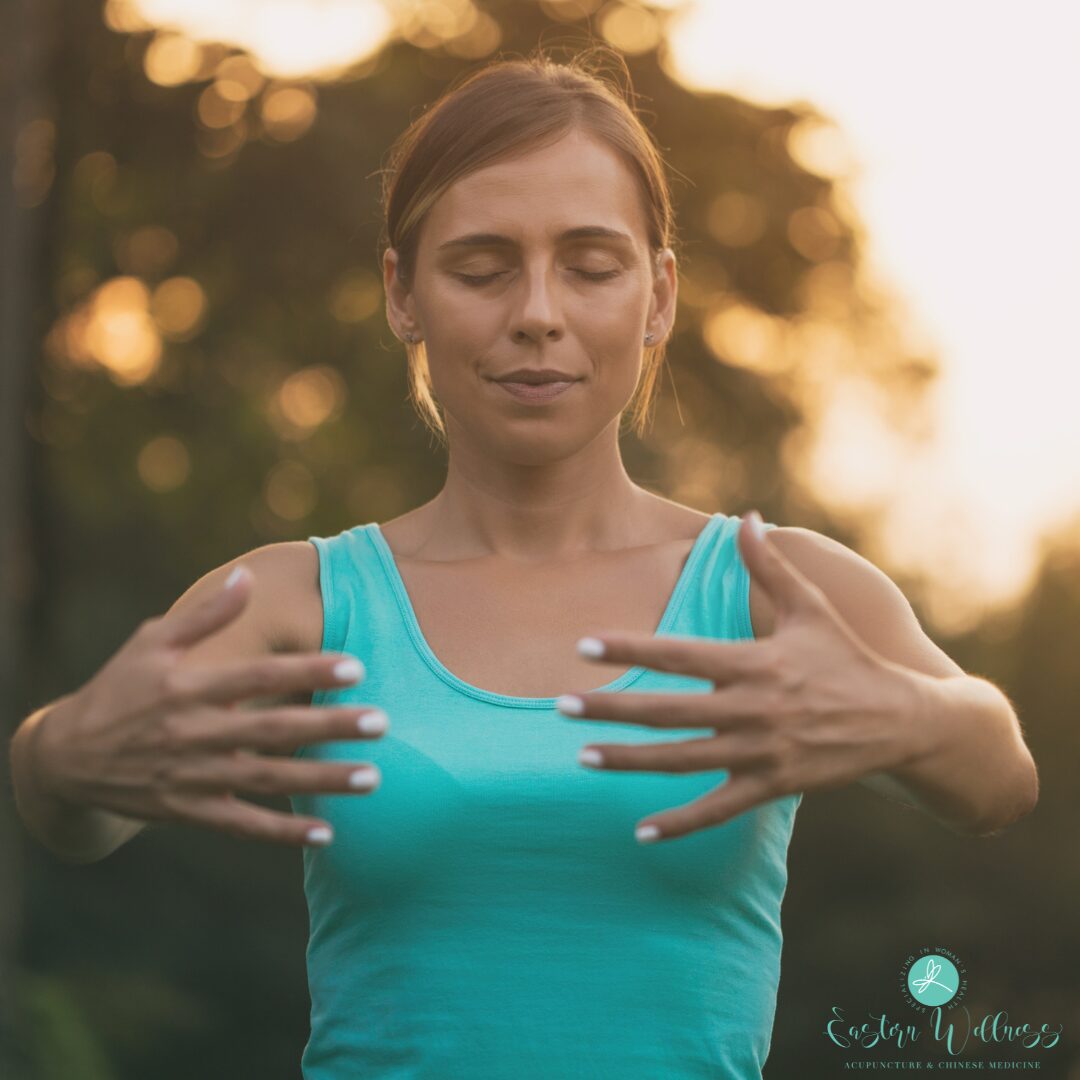
Mind-body practices such as Tai Chi and Qigong are central to emotional recovery in TCM because they regulate breath, movement, and awareness — directly calming the nervous system.
A systematic review and meta-analysis published in BMC Complementary Medicine and Therapies found that Tai Chi and Qigong significantly improved quality of life, fatigue, sleep quality, anxiety, and depressive symptoms in cancer survivors, with no serious adverse effects reported.
Peer-reviewed source:
Wayne PM, et al. The impact of Tai Chi and Qigong on health-related quality of life in cancer survivors: A systematic review and meta-analysis.
BMC Complementary Medicine and Therapies (2025).
https://doi.org/10.1186/s12906-025-04875-1
These practices are especially valuable because they restore energy without overexertion, making them ideal during post-cancer recovery.
Acupuncture for Anxiety, Stress & Emotional Regulation
Acupuncture is widely used in integrative oncology to help regulate the nervous system and relieve emotional distress.
A randomized controlled trial published in Cancers examined acupuncture in breast cancer survivors and demonstrated improvements in cognitive function, fatigue, and emotional wellbeing, supporting acupuncture’s role in post-treatment recovery.
Peer-reviewed source:
Oh B, et al. Acupuncture for cancer-related cognitive impairment in breast cancer survivors: A randomized controlled trial.
Cancers (2021).
https://www.mdpi.com/2072-6694/13/16/4082
In clinical practice, acupuncture is frequently used to support:
- Anxiety and emotional reactivity
- Sleep disturbances
- Fatigue and nervous system dysregulation
- Stress-related somatic symptoms
Practical Integrative Approaches for Emotional Healing
1. Stabilize the Nervous System First
Before deep emotional processing, the nervous system must feel safe. Support regulation through:
- Consistent wake times
- Morning light exposure
- Reduced evening screen use
- Gentle evening routines
In TCM terms, this supports Yin restoration and Yang settling.
2. Gentle Daily Mind-Body Rituals
Small, consistent practices are more effective than dramatic changes:
- 5–10 minutes of slow breathing
- Hand-on-heart grounding
- Brief journaling
- Gentle walks after meals
These practices communicate safety to the nervous system.
3. Movement That Nourishes (Not Depletes)
Avoid high-intensity exercise during emotional recovery. Instead:
- Tai Chi or Qigong 10–20 minutes daily
- Gentle yoga or stretching
- Walking in nature
These movements support circulation, Qi flow, and emotional regulation.
4. Acupressure for Emotional Calm
Safe, accessible points include:
- Yintang – calms the mind
- HT7 (Shenmen) – supports sleep and anxiety
- PC6 – eases chest tightness and emotional nausea
- LV3 – releases emotional tension
Use gentle pressure with slow breathing.
Community, Journaling & Emotional Processing
Emotional healing after cancer is relational. Support groups, therapy, and journaling provide:
- Validation and safety
- Reduced isolation
- Emotional processing without overwhelm
TCM has long emphasized healing through connection and rapport.
Sleep & Nourishment as Emotional Medicine
Poor sleep worsens anxiety. Support sleep through:
- Warm, cooked evening meals
- Avoid caffeine late in the day
- Gentle hydration
- Consistent bedtime routines
When digestion improves, emotional resilience often follows.
What This Approach Is — and Is Not
This approach is:
- Supportive and integrative
- Evidence-informed
- Gentle and sustainable
This approach is not:
- A replacement for mental health care
- A promise of instant relief
- A denial of medical treatment
Integrative care works best alongside conventional support, not instead of it.
Final Thoughts
Emotional healing after cancer is not about eliminating fear — it’s about restoring balance, resilience, and trust in your body. Through TCM, acupuncture, Tai Chi, Qigong, and mind-body practices, survivors can gently recalibrate their nervous systems and reconnect with steadiness and clarity.
Healing unfolds layer by layer — with patience, compassion, and the right support.
If you’re navigating emotional recovery after cancer and want support that integrates TCM, mind-body medicine, and functional insight, I invite you to schedule a consultation. Together, we’ll create a gentle, personalized plan to support your nervous system, emotional balance, and long-term wellbeing.