Medicinal Mushrooms and Cancer Support: Separating Myths from Facts
What Science Really Says About Immune-Boosting Herbs in Integrative Oncology
In the world of cancer recovery and integrative care, few topics generate as much curiosity — and confusion — as medicinal mushrooms and herbal supplements. Reishi. Turkey tail. Curcumin. Immune boosters. Adaptogens.
Patients and survivors often ask: Can these really help? Or is this just hype wrapped in ancient wisdom?
As a practitioner grounded in both Traditional Chinese Medicine (TCM) and functional medicine, I believe the answer lies between blind belief and outright dismissal. Some medicinal mushrooms and herbs do have meaningful evidence supporting their role in immune modulation and symptom support. Others are misunderstood, misused, or oversold.
This article is about clarity — not promises.
We’ll separate myths from facts, examine what peer-reviewed research actually shows, and discuss how medicinal mushrooms can be used safely and appropriately as part of integrative cancer care — never as replacements for conventional treatment, but as supportive allies.
Why Medicinal Mushrooms Are So Popular in Cancer Care
Across cultures, mushrooms have long been valued for resilience and vitality. In TCM, they are classified as tonic herbs — substances that gently strengthen the body over time rather than aggressively “attacking” disease.
In modern oncology, interest in medicinal mushrooms stems from three main areas:
- Immune system modulation
- Support during chemotherapy and radiation
- Quality of life improvement (fatigue, resilience, recovery)
Unlike stimulant supplements, medicinal mushrooms work through polysaccharides, beta-glucans, and immunomodulating compounds that interact with the innate and adaptive immune system.
The key word here is modulation, not stimulation.
Myth #1: Medicinal Mushrooms “Cure” Cancer
Fact: There is no credible scientific evidence that medicinal mushrooms cure cancer on their own.
No responsible practitioner or researcher claims that mushrooms replace chemotherapy, radiation, surgery, or immunotherapy. That narrative is harmful and misleading.
What is supported by research is that certain mushroom extracts may:
- Support immune function
- Improve tolerance to conventional treatments
- Reduce side-effect burden
- Enhance quality of life in some patients
Integrative oncology exists to support the terrain, not replace evidence-based cancer treatment.
Turkey Tail (Trametes versicolor): The Most Researched Mushroom in Oncology
Among medicinal mushrooms, turkey tail stands out as the most rigorously studied in cancer care.
What Makes Turkey Tail Unique?
Turkey tail contains well-studied compounds:
- PSK (Polysaccharide-K)
- PSP (Polysaccharopeptide)
These compounds are not supplements in Japan — they are prescription adjuncts used alongside chemotherapy in certain cancers.
What the Research Shows
A major systematic review and meta-analysis found that PSK, when used alongside standard cancer treatment, was associated with:
- Improved survival in gastric and colorectal cancer
- Enhanced immune markers
- Better overall outcomes compared to conventional treatment alone
Peer-reviewed source (stable DOI):
https://doi.org/10.18632/oncotarget.19059
Additionally, the U.S. National Cancer Institute (NCI) acknowledges turkey tail’s immune-modulating properties and summarizes clinical research involving PSK and PSP.
NCI PDQ summary:
https://www.cancer.gov/about-cancer/treatment/cam/patient/mushrooms-pdq
What This Means Clinically
Turkey tail:
- Does not kill cancer cells directly
- May support immune surveillance
- May improve resilience during chemotherapy
- Must be used with professional guidance
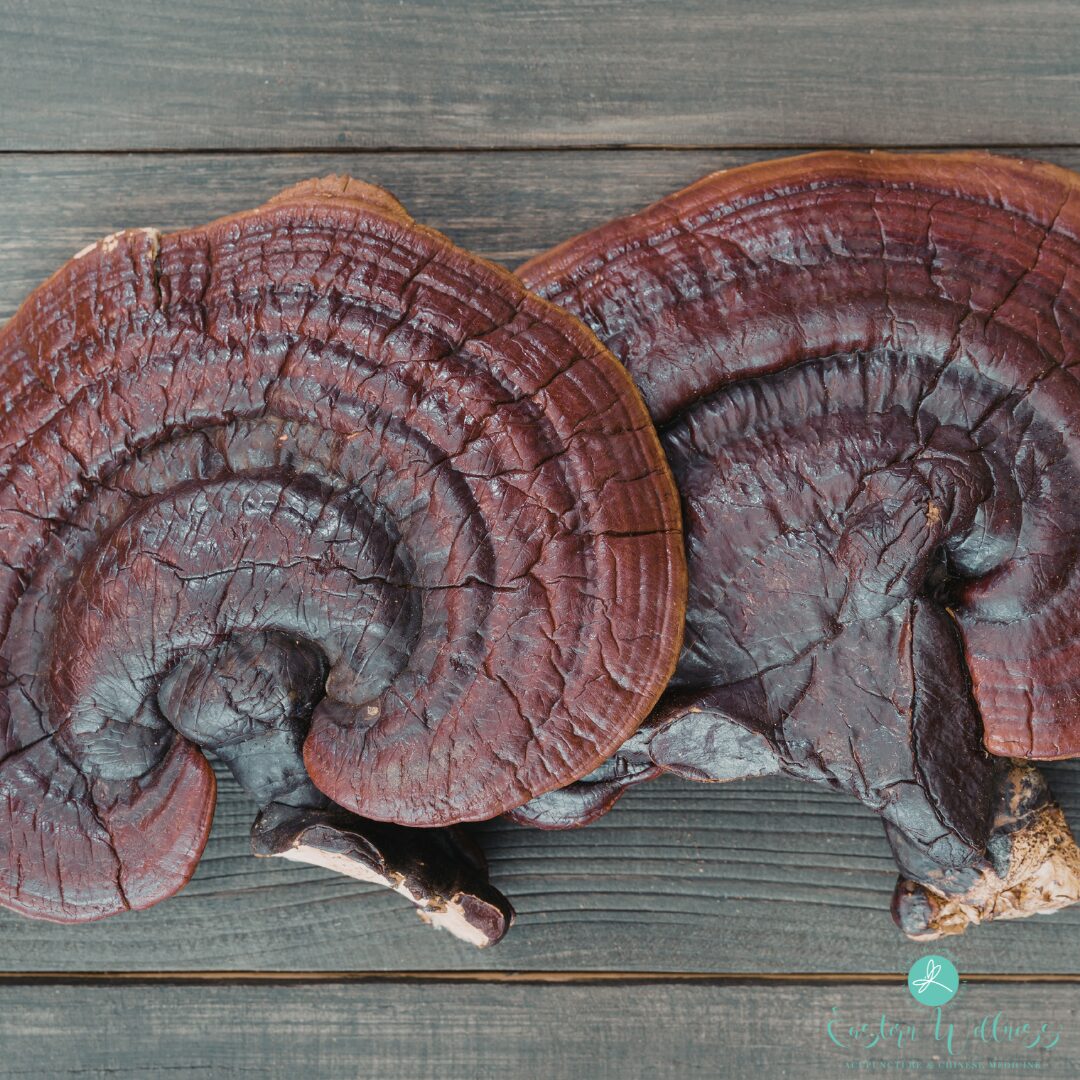
Reishi (Ganoderma lucidum): Immune Modulation, Not Immune Overdrive
Reishi is known in TCM as the “mushroom of spiritual potency.” Traditionally, it is used to calm the nervous system, support vitality, and strengthen constitutional weakness.
Modern Scientific Perspective
A Cochrane Review — one of the highest standards of evidence evaluation — examined reishi in cancer care.
Findings included:
- Potential improvement in immune parameters
- Possible enhancement of quality of life
- Insufficient evidence to support reishi as a standalone cancer treatment
Cochrane Review (DOI link):
https://doi.org/10.1002/14651858.CD007731.pub2
Key Takeaway
Reishi acts as an immune regulator, not a stimulant.
This distinction is critical — especially for patients with autoimmune tendencies or those receiving immunotherapy.
Myth #2: “Boosting” the Immune System Is Always Good
Fact: More immune activity is not always better.
In cancer — especially hormone-sensitive, inflammatory, or autoimmune-linked cancers — immune balance matters more than immune activation.
From both TCM and functional medicine perspectives:
- Excess inflammation can worsen outcomes
- Immune dysregulation is as problematic as immune weakness
- The goal is coordination, not stimulation
Medicinal mushrooms work best when:
- Dosed appropriately
- Chosen based on constitution
- Integrated into a broader care plan
What About Other Popular Herbs Like Turmeric?
Curcumin (from turmeric) is frequently discussed in cancer care due to its anti-inflammatory properties.
Research suggests curcumin may:
- Modulate inflammatory pathways
- Support antioxidant defenses
- Influence cell signaling involved in cancer progression
However:
- Bioavailability is highly variable
- High doses can interfere with chemotherapy metabolism
- It is not universally appropriate
This reinforces a core principle:
Natural does not mean risk-free.
TCM Perspective: Why Constitution Matters
In Traditional Chinese Medicine, we never ask:
“Is this herb good for cancer?”
We ask:
“Is this herb appropriate for this person at this stage?”
Cancer and chemotherapy often lead to:
- Qi deficiency
- Blood depletion
- Yin exhaustion
- Digestive weakness (Spleen Qi deficiency)
Medicinal mushrooms are often used to:
- Support Zheng Qi (upright, defensive energy)
- Protect digestion
- Aid recovery post-treatment
But misuse can worsen:
- Dampness
- Digestive stagnation
- Inflammatory patterns
Safety First: How to Use Medicinal Mushrooms Responsibly
Non-Negotiable Guidelines
- Always inform your oncologist
- Avoid starting supplements during acute treatment without guidance
- Use standardized extracts from reputable sources
- Work with a licensed practitioner experienced in oncology
The NCI emphasizes that mushroom supplements may interact with:
- Chemotherapy drugs
- Immunotherapies
- Anticoagulants
- Liver metabolism pathways
Myth #3: More Is Better
Fact: Excess supplementation often creates imbalance.
In clinic, I often see patients taking:
- 10–20 supplements
- Multiple immune herbs stacked together
- High doses without monitoring
This can lead to:
- Digestive distress
- Liver overload
- Immune confusion
- Increased fatigue instead of vitality
Healing is not about accumulation — it’s about alignment.
Integrative Cancer Care: Where Mushrooms Truly Fit
Medicinal mushrooms are most effective when combined with:
- Nutrient-dense, anti-inflammatory nutrition
- Gentle movement (Qi Gong, walking)
- Acupuncture for nervous system regulation
- Sleep and stress restoration
- Emotional support and community
They are supportive tools, not standalone solutions.
What the Evidence Tells Us — Clearly
✔ Some medicinal mushrooms (especially turkey tail and reishi) have legitimate immune-modulating evidence
✔ They may improve quality of life and treatment tolerance
✖ They do not cure cancer
✖ They are not universally appropriate
✔ Personalization and professional guidance matter
Final Thoughts: Wisdom Over Hype
Medicinal mushrooms sit at a powerful intersection of ancient wisdom and modern science. When used thoughtfully, respectfully, and with proper guidance, they can be valuable allies in integrative oncology.
But healing is never about chasing the latest supplement trend.
It’s about:
- Understanding your body
- Honoring timing and constitution
- Supporting balance, not extremes
- Integrating science with wisdom
Ready to Use Integrative Therapies Safely?
If you’re navigating cancer treatment or recovery and wondering whether medicinal mushrooms or herbal support are right for you, personalized guidance matters.
In a one-on-one integrative consultation, we can:
- Review your treatment history
- Assess immune and digestive patterns
- Determine safe, evidence-based options
- Coordinate with your oncology care
- Build a balanced, supportive plan — not a supplement overload
Book a consultation today and let’s approach healing with clarity, safety, and intention — together.